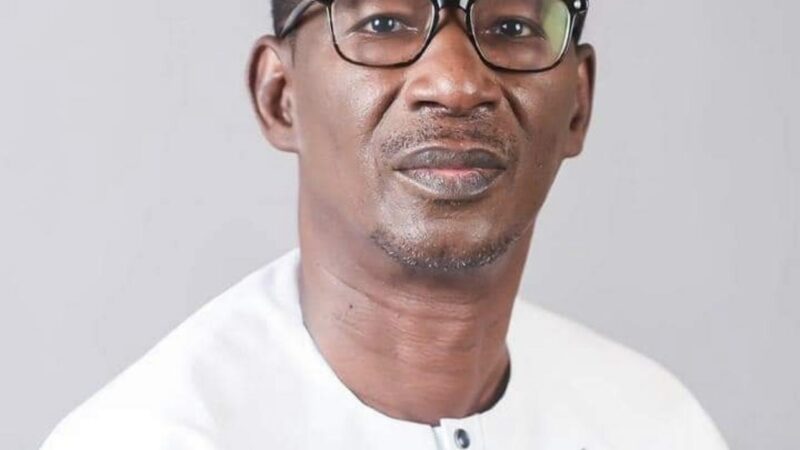
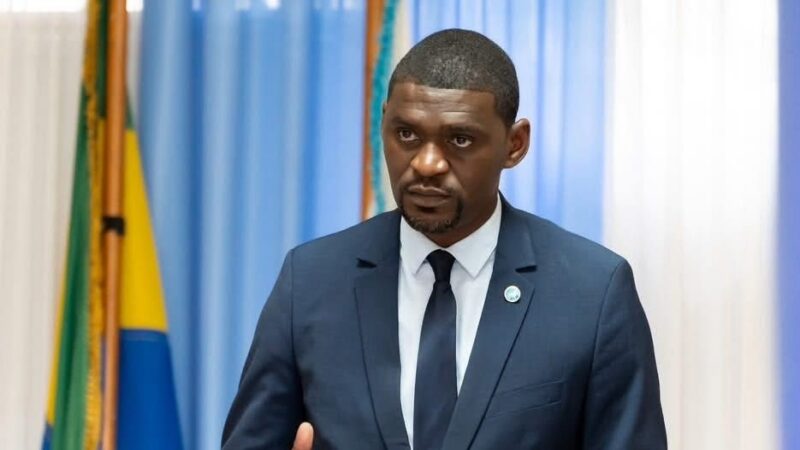
Senegal’s political shift: why Bassirou Diomaye Faye and Ousmane Sonko split
Senegal’s political shift: why Bassirou Diomaye Faye and Ousmane Sonko split
The unexpected separation between Senegal’s President Bassirou Diomaye Faye and Prime Minister Ousmane Sonko, after just two years in office, has sent shockwaves through a nation once praised for its democratic resilience. What began as a political alliance now appears to have crumbled under the weight of deepening disagreements at the highest levels of government.
This sudden split has thrust Senegal into the global spotlight, raising questions about the future of governance in a country long regarded as a beacon of stability in West Africa.
Key factors behind the political divorce
The rift between Faye and Sonko stems from a convergence of competing priorities, strategic differences, and evolving power dynamics. Here are the four most significant causes behind their separation:
1. Diverging economic recovery strategies
At the heart of the disagreement lies a fundamental clash over how to revive Senegal’s economy. While Faye has pushed for gradual reforms and cautious fiscal policies, Sonko has championed bolder, more immediate interventions to address rising living costs and unemployment. These opposing economic visions have created an unbridgeable gap between the two leaders.
2. Policy disagreements on regional alliances
The direction of Senegal’s foreign policy has also fueled tensions. Faye has pursued closer ties with neighboring countries to strengthen economic integration, while Sonko has advocated for a more independent stance, prioritizing self-reliance over regional cooperation. This ideological divide has intensified their inability to align on key diplomatic decisions.
3. Power struggles within the ruling coalition
Internal power dynamics have played a critical role in the breakdown. Sonko’s rapid rise within the party and government has unsettled other factions, leading to factional infighting and a loss of cohesion. As Sonko’s influence grew, Faye reportedly grew concerned about maintaining control, sparking a silent but escalating conflict.
4. Public perception and political survival
Both leaders have increasingly focused on their individual political survival rather than collective governance. Faye’s declining approval ratings and Sonko’s growing public support have created a zero-sum environment where one’s gain is seen as the other’s loss. This zero-tolerance approach to shared leadership has eroded trust and made reconciliation nearly impossible.