Senegal’s political funds debate divides top leaders
Senegal’s political funds debate divides top leaders
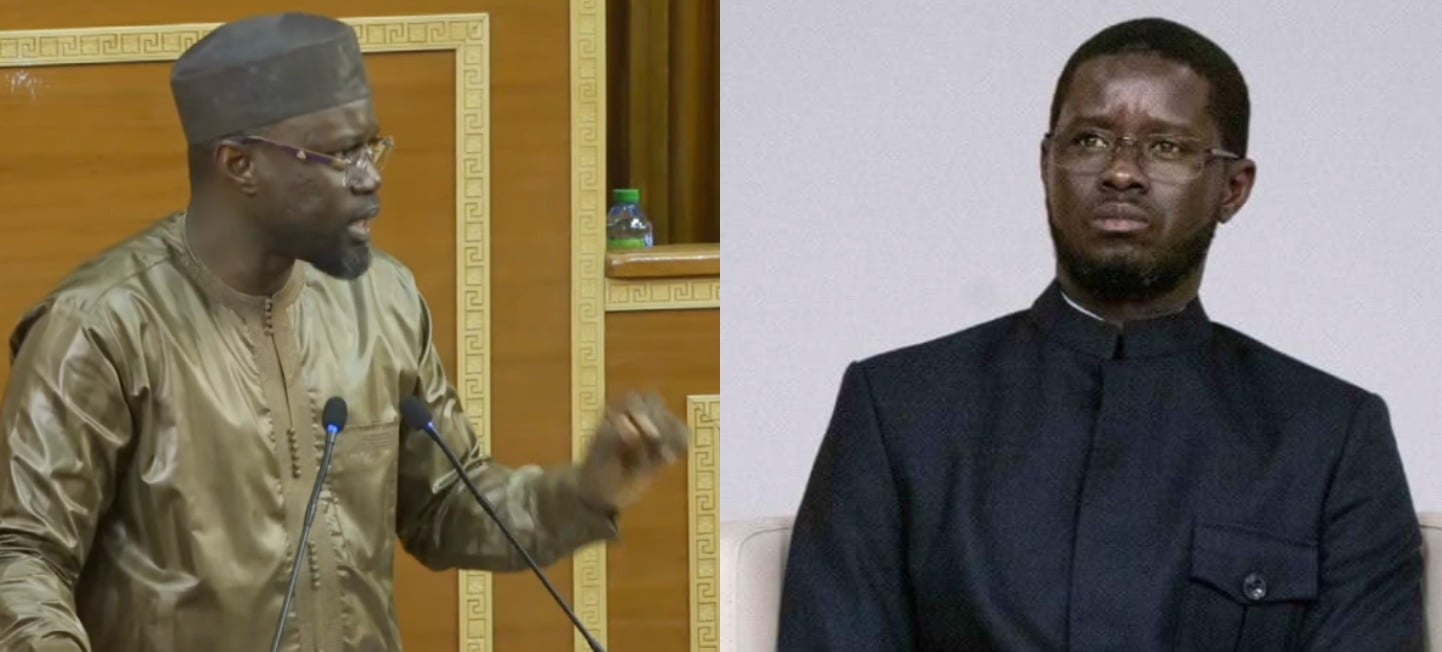
Tensions escalate in Dakar as Ousmane Sonko, Senegal’s Prime Minister, publicly challenges President Bassirou Diomaye Faye over the management of political funds—a contentious issue that has sparked debate since 2019. While Sonko advocates for stringent transparency, the President maintains these funds are necessary, despite their controversial nature.
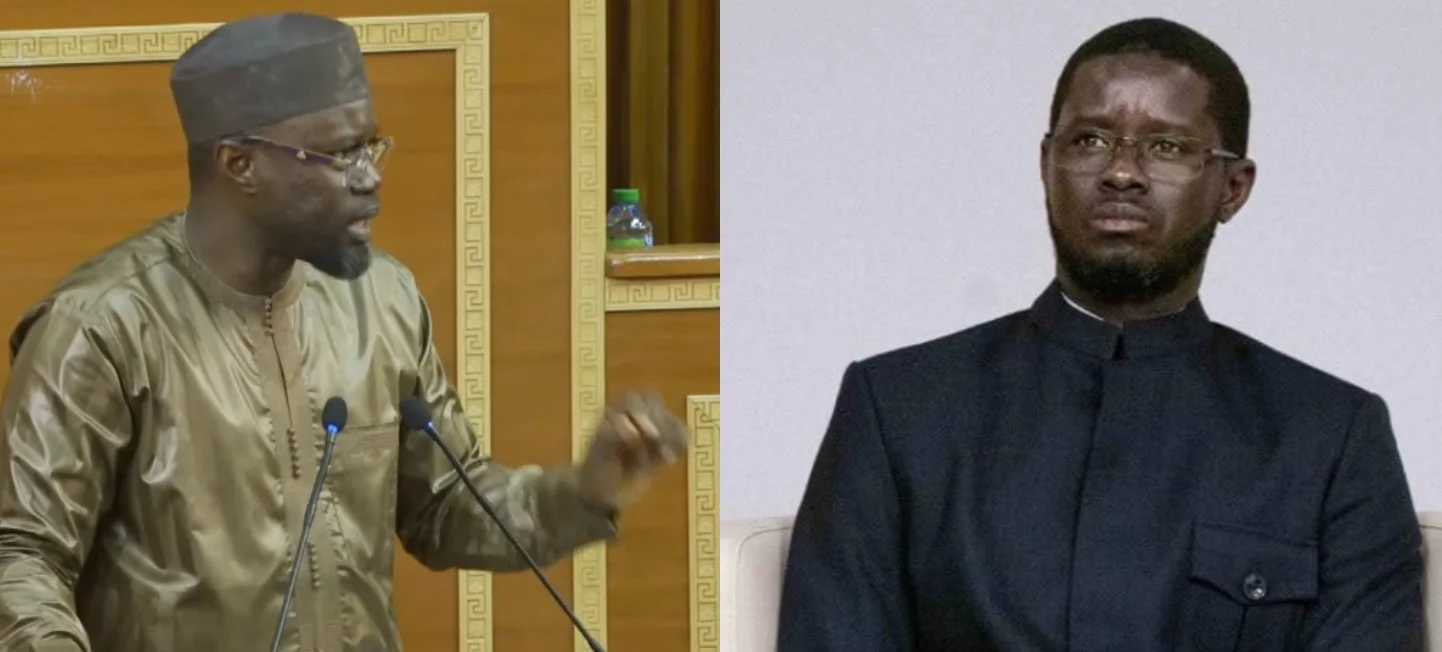
During a May 2nd interview at the Palais de la République, President Bassirou Diomaye Faye defended the existence of political funds, acknowledging their sensitivity regarding transparency. He argued that these funds, which cannot be publicly itemized, are essential for intelligence, national security, and international solidarity obligations.
Ousmane Sonko, head of government, took a firm stance in response, stating: « These political funds were a campaign promise, and I strongly disagree with President Diomaye’s position. I trust he will reconsider. » Sonko emphasized that the debate on political funds began in 2019 within his political circle, with a consensus that all public funds must undergo rigorous oversight.
While Sonko does not advocate for abolishing political funds outright, he insists on strict regulatory measures. « My goal isn’t to eliminate these funds but to ensure they’re managed with the same transparency as in France, » he explained. Highlighting his own role at the Primature, he revealed managing 1.77 billion CFA francs in political funds, stressing that public funds must never be misused for personal or political gain.
Sonko’s remarks underscore a broader commitment to accountability, declaring: « Every taxpayer’s franc must be subject to scrutiny. » He also addressed an upcoming legislative proposal on the matter, asserting that the executive branch, not the legislature, should spearhead such reforms to avoid legislative failure.
The disagreement between Senegal’s top leaders reflects deeper divisions over governance, transparency, and the use of public resources in the country’s political landscape.