Senegal’s economic future hinges on IMF discussions on debt and reforms
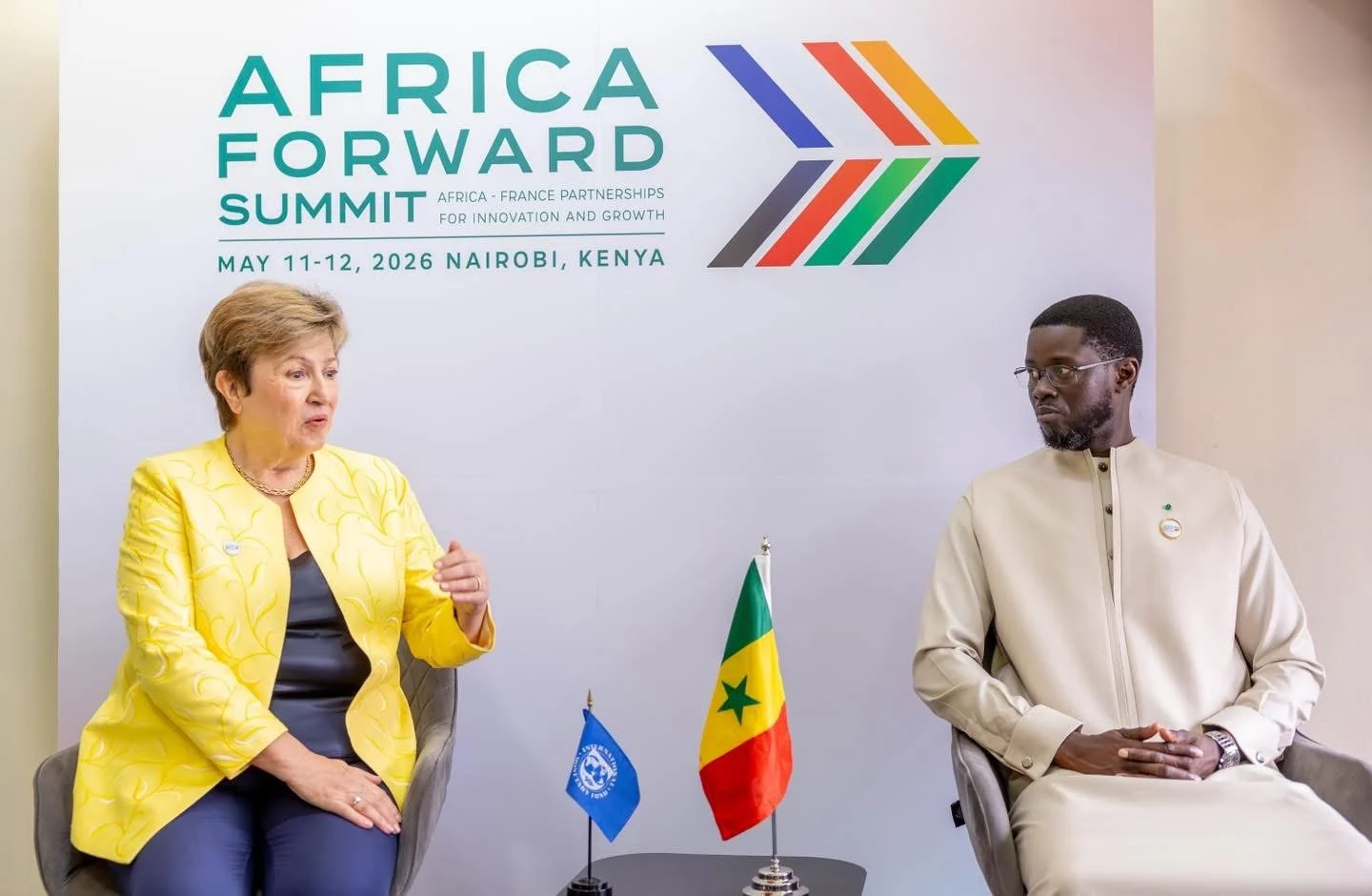
Following a pivotal meeting with Senegalese President Bassirou Diomaye Faye, Kristalina Georgieva, Managing Director of the International Monetary Fund (IMF), has highlighted critical discussions surrounding debt management and economic reforms. While the talks signal progress, Senegal continues to await concrete outcomes from its financial program amid a volatile global economic landscape.
Key takeaways from the IMF-Senegal dialogue
During a recent encounter on the sidelines of the Africa Forward summit in Nairobi, President Faye engaged with Kristalina Georgieva to address pressing economic priorities. The IMF chief emphasized the importance of debt sustainability and transparency in Senegal’s economic strategy, noting that reforms remain a focal point of their discussions.
« Our conversation centered on Senegal’s reform agenda, debt management, and the nation’s commitment to financial transparency, » Georgieva stated in a post on X.
IMF’s commitment to Senegal’s economic stability
While reaffirming the IMF’s support for Senegal, no formal announcements were made regarding a new financial program, a request Dakar has pursued for nearly two years. Abebe Aemro Selassie, Director of the IMF’s African Department, previously shed light on the delays in negotiations, attributing them to the challenging global financial climate.
« The current market volatility demands careful analysis of debt sustainability and future economic prospects. In such uncertain conditions, especially for countries with limited market access, a measured approach is essential, » Selassie explained.
The importance of a credible economic roadmap
Selassie underscored the IMF’s stance that Senegal must develop a credible and sustainable economic strategy, one that avoids excessive austerity measures that could burden the population. « We believe it is crucial to allow the government the time to craft a strategy that is both feasible and fair, ensuring long-term stability without compromising social welfare, » he added.
The IMF official also acknowledged the significant debt burden inherited by Senegal’s new administration, stressing that the priority now lies in identifying the most effective solutions to navigate this economic challenge.
What’s next for Senegal’s economic agenda?
As Senegal navigates these discussions, the government faces the dual task of addressing immediate financial pressures while laying the groundwork for sustainable growth. The IMF’s cautious yet supportive stance reflects a broader recognition of the complexities involved in balancing reform with economic resilience.
With global economic conditions remaining unpredictable, the outcome of these talks could play a pivotal role in shaping Senegal’s financial trajectory in the months ahead.