The unexpected fallout of a political alliance
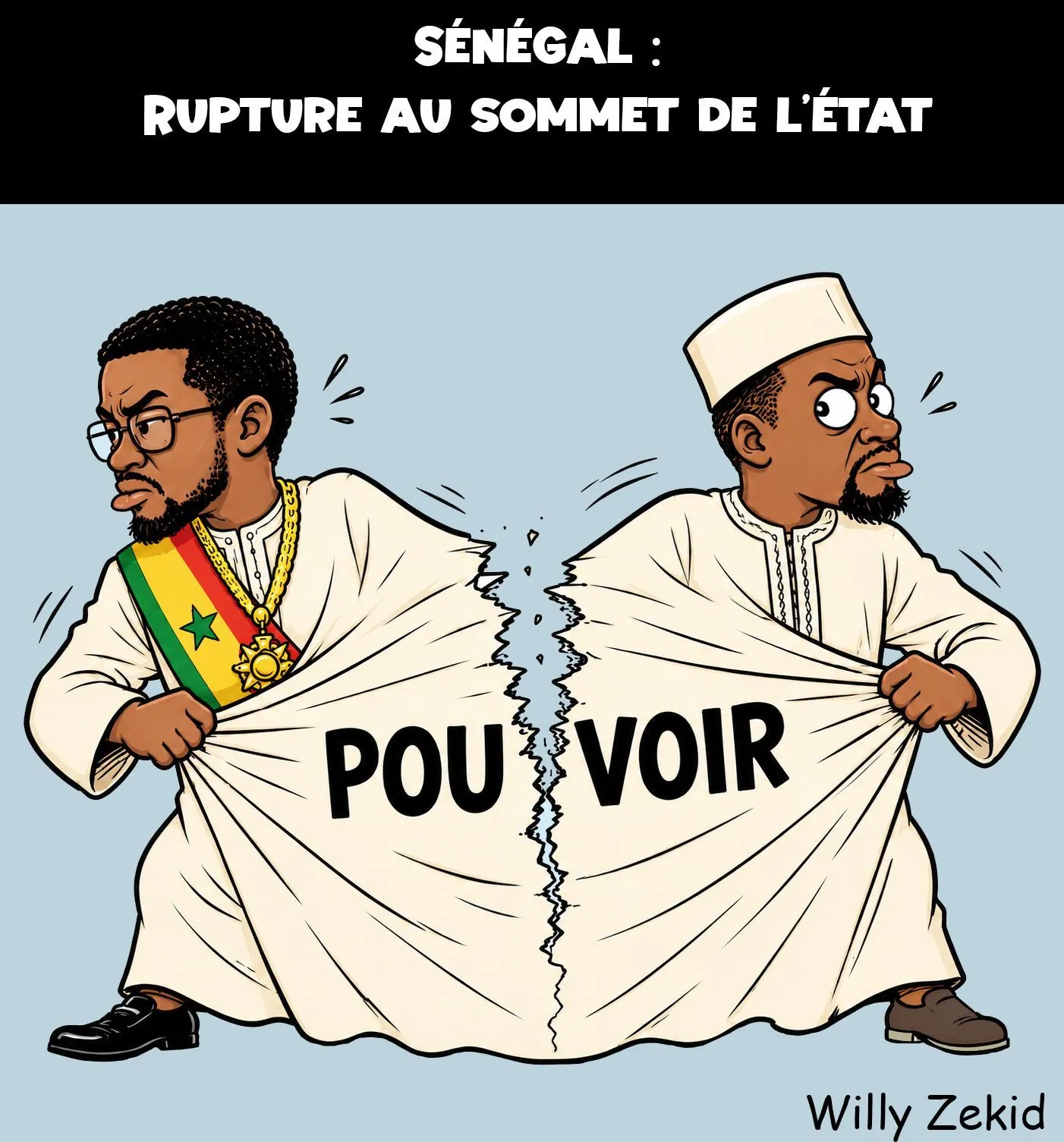
In late May 2026, a dramatic shift in Senegal’s political landscape unfolded when President Bassirou Diomaye Faye terminated Prime Minister Ousmane Sonko’s mandate. This decisive move shattered a fragile alliance that had steered the nation since April 2024, thrusting the country into a deepening crisis. What began as a partnership within the same party—Pastef—quickly deteriorated into a bitter rivalry, exposing long-simmering tensions.
The rupture came on the heels of a staggering financial revelation: a previously undisclosed debt of nearly $11 billion, which has since plunged Senegal into severe economic distress. The timing of Sonko’s dismissal, shortly after his reinstatement as a deputy and subsequent election as Speaker of the National Assembly, underscores the volatility of the situation.
An uncertain future for Senegal’s governance
Analysts and political observers are divided over the implications of this upheaval. Will the appointment of a new prime minister ease tensions or further inflame the divide? The outcome remains uncertain, but one thing is clear: the political equilibrium in Senegal has been irrevocably altered.
To dissect the roots of this crisis and its potential ramifications, experts Mehdi Ba—a seasoned journalist—and Vincent Foucher, a political scientist affiliated with the CNRS and Sciences Po Bordeaux’s Les Afriques dans le Monde research lab, share their insights.
Visualizing the fracture
A striking political cartoon by Congolese artist Willy Zekid, published in collaboration with Cartooning for Peace, captures the moment with biting humor. The illustration depicts Ousmane Sonko and Bassirou Diomaye Faye severing the garment labeled ‘pouvoir’ (power), symbolizing their irreparable split.