Senegal politics: Aminata Touré clarifies after Sonko’s recent remarks
Government reassures citizens after political tensions
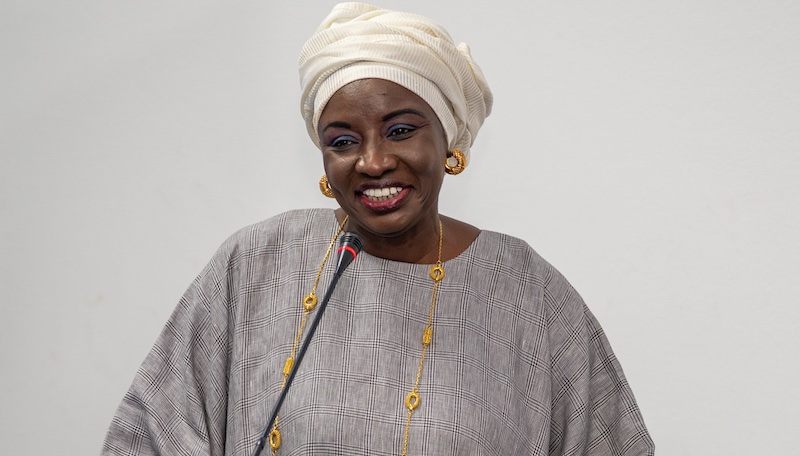
Following Ousmane Sonko‘s latest public statements questioning the administration of President Bassirou Diomaye Faye, Aminata Touré, Coordinator of the Diomaye Président coalition, addressed the nation this morning to dispel concerns about a shift in governance priorities. The former Justice Minister firmly rejected the notion that recent political rifts signal a retreat from the administration’s core commitments or the reforms promised to the Senegalese people.
Addressing Sonko’s claims that the government might be softening its stance on accountability, Touré reframed the debate, asserting: « Why frame this as the end of accountability? Perhaps it marks the beginning of a more structured, judicially sound approach to transparency. » She emphasized the need to separate legal proceedings from political vendettas, stressing that judicial outcomes must rest on evidence, not animosity.
The administration is now prioritizing a strict adherence to legal frameworks and economic pragmatism in managing public finances and debt. This stance aims to distinguish between genuine governance reforms and politically motivated accusations. Touré highlighted the importance of avoiding past mistakes, particularly those tied to structural adjustment programs in the 1980s, which led to severe social consequences.
Debt management: A shift in terminology, not strategy
In response to growing scrutiny over Senegal’s debt strategy, government officials are steering clear of the term « restructuring, » a word laden with historical baggage. Instead, they advocate for « debt reprofiling »—a nuanced approach designed to align debt obligations with the country’s economic realities while safeguarding essential social programs.
The move reflects a broader effort to balance fiscal responsibility with sustainable development, ensuring that economic policies serve the public interest rather than political narratives.