Sénégal political tensions rise between president and party leader
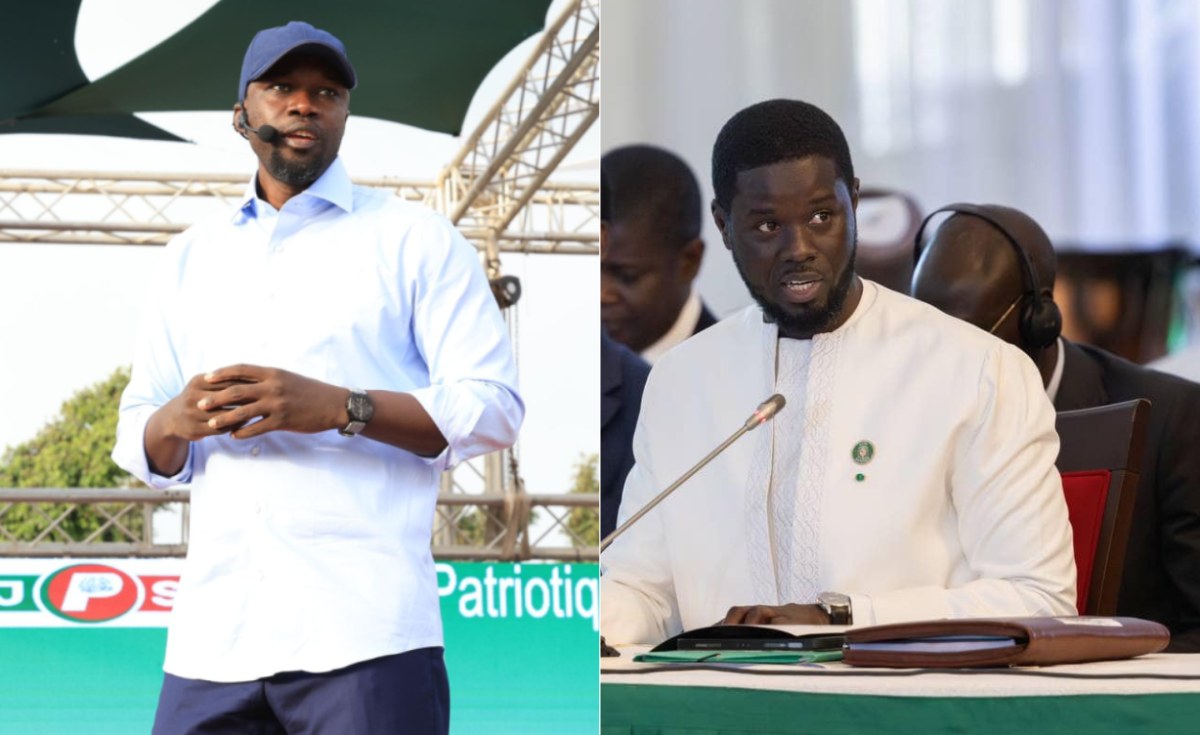
The political landscape of the Sénégal has entered a delicate phase since the inauguration of President Bassirou Diomaye Faye and his predecessor Ousmane Sonko in March 2024. Once portrayed as an inseparable duo driving the PASTEF movement, recent events reveal growing rifts between the head of state and the party’s founding leader.
This unfolding dynamic comes against a backdrop of high stakes. In 2024, Ousmane Sonko—then barred from running due to legal challenges—backed Bassirou Diomaye Faye, who was also detained at the time, as the PASTEF candidate. Their victory was hailed as the culmination of a prolonged struggle against the previous administration and the dawn of a new political era in the country.
The transition from opposition to governance has reshaped traditional power dynamics. Over a year into their mandate, the relationship between the two figures appears to be entering uncharted territory. Ousmane Sonko’s recent public statements, including pointed critiques and disclosures about alleged political agreements that facilitated their rise to power, signal a bid to reclaim the political initiative.
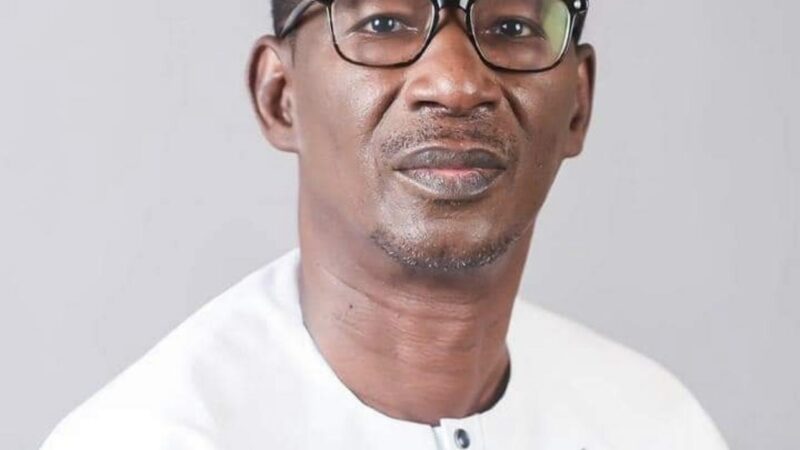
As the government formation process under new Prime Minister Al Aminou Lo approaches, the PASTEF leader has made a bold declaration: no party members will join the new cabinet. This stance represents a symbolic break from the governance model established after the 2024 election and hints at a gradual detachment between state institutions and the party structure.
Legitimacy and power: a delicate balance
The current tensions revolve around competing sources of legitimacy. President Bassirou Diomaye Faye derives his authority from universal suffrage and the functioning of democratic institutions. Meanwhile, Ousmane Sonko remains, for many activists, the architect of the movement’s electoral triumph and the central figure behind the PASTEF’s rise.
Such dualities are not uncommon in African political history. Movements that have secured power often face internal rivalries between those holding electoral legitimacy and those retaining organizational influence within the party. When these power centers clash, the risks include institutional paralysis and political fragmentation.
At this stage, a definitive rupture remains unlikely. Both leaders still share a common electoral base and a political project that enjoys broad support among their followers. Yet the escalating rhetoric and deepening divisions suggest that a realignment of power is underway.
A test for democratic stability
The stakes now extend beyond personal ambitions. They touch on the Sénégal’s ability to maintain institutional stability while advancing the economic and social reforms promised to its people. As a frequently cited democratic model in West Africa, the outcome of the evolving relationship between Bassirou Diomaye Faye and Ousmane Sonko could shape the future of the PASTEF and the nation’s political balance for years to come.
The coming months will reveal whether this moment leads to strategic reconciliation, a tense cohabitation, or an open political split between the two architects of the 2024 transition.