Senegal political shift as assembly president resigns
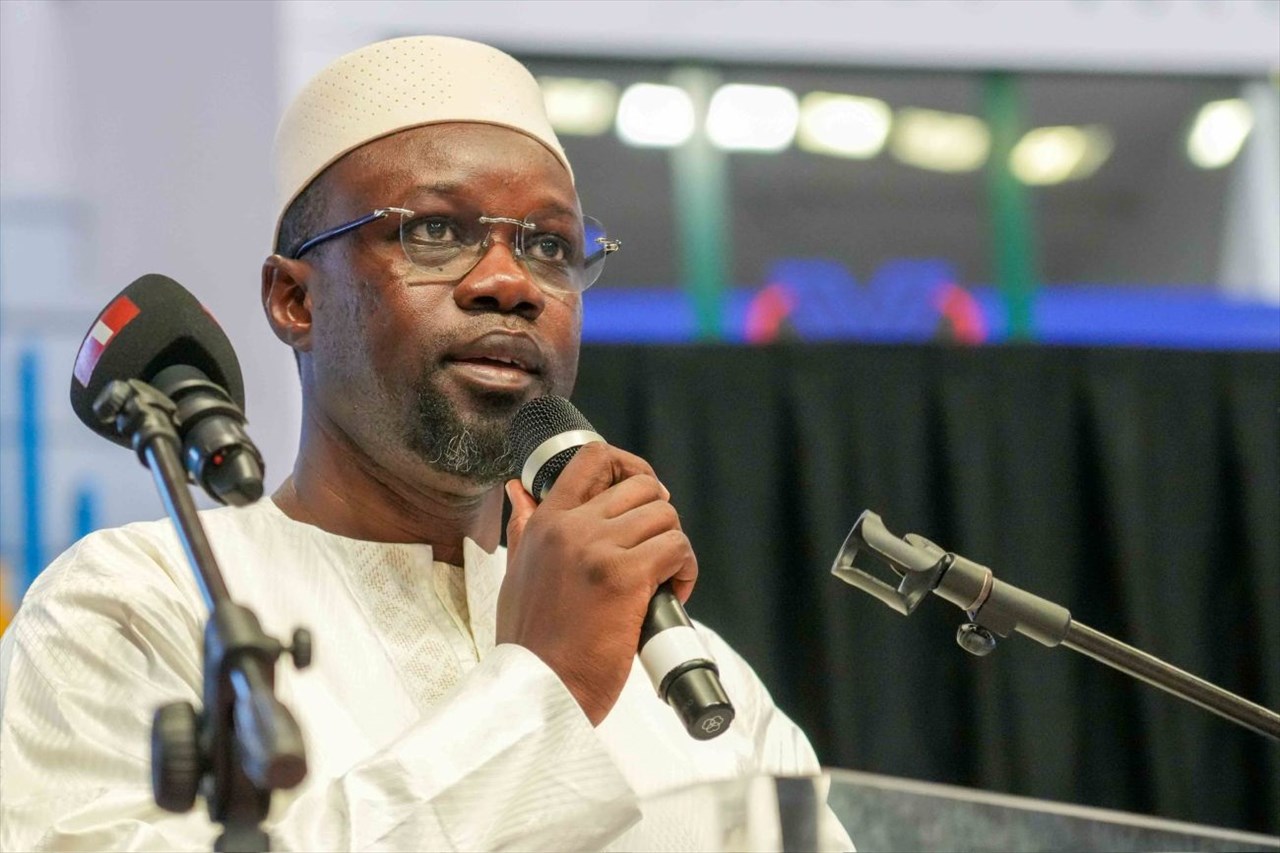

Sudden resignation reshapes Senegal’s political landscape
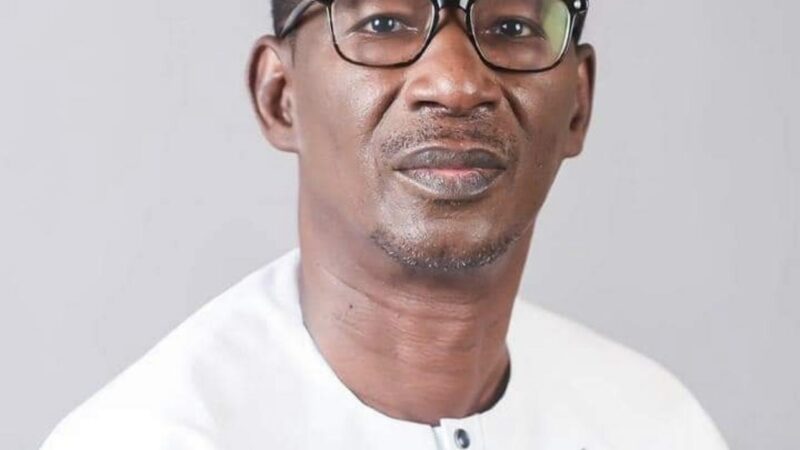
The political stage in Senegal remains electrified by a rapidly unfolding drama. Merely two days after the dismissal of Prime Minister Ousmane Sonko, the president of the National Assembly, Malick Ndiaye, announced his resignation from the helm on Sunday, May 25. The announcement followed an intensive meeting of the ruling Pastef party, of which he is a member.
In a heartfelt statement shared on social media, Malick Ndiaye revealed the reasoning behind his decision: “After profound reflection, weighed in solitude, and driven by a sense of responsibility and national duty, I have chosen to step down from my position as President of the National Assembly of Senegal. This choice stems from my unwavering commitment to the integrity of institutions, public accountability, and the supreme interest of our Nation.”
Throughout his tenure, Ndiaye dedicated himself to strengthening the Assembly, fostering transparency, reinforcing parliamentary oversight, and elevating the institution’s profile both domestically and abroad. His departure marks a pivotal moment in the nation’s political narrative.
Sonko’s rapid ascent to the Assembly presidency
On the same day, the National Assembly reinstated Ousmane Sonko as a deputy. This development has set the stage for a crucial vote on Tuesday, May 26, to elect a new president of the Assembly. Analysts and political observers widely agree that Sonko is poised to assume the role, given his party’s commanding majority in the legislature. In a breathtaking turn of events, Sonko could transition from dismissed prime minister to the second-highest constitutional authority in the country within just 72 hours.
The political chessboard in Senegal has dramatically shifted, transitioning from a Bassirou Diomaye Faye-Ousmane Sonko tandem to a high-stakes political rivalry. Strategic alliances, shifting power dynamics, and calculated maneuvers are expected to dominate the political scene in the coming months, particularly ahead of the 2029 presidential election and the upcoming local polls.
A critical question looms large: will President Bassirou Diomaye Faye exercise the constitutional power to dissolve the National Assembly once the mandatory deadline expires in December? Until then, the nation watches with bated breath, awaiting the appointment of a new prime minister tasked with forming a government amid escalating political tensions.