Senegal halts truck convoys to Mali amid rising jihadist threats
The Dakar-Bamako highway, the lifeline of trade between Senegal and Mali, is facing one of its most severe security crises in recent memory. The Union of Senegalese Truck Drivers (URS) has issued an urgent directive to its members, urging them to suspend all road transport operations to Malian territory. The move comes in response to a surge in attacks by the Group for the Support of Islam and Muslims (JNIM), an Al-Qaeda affiliate, which has increasingly targeted cargo convoys since late April.
Why the Dakar-Bamako corridor is critical to regional trade
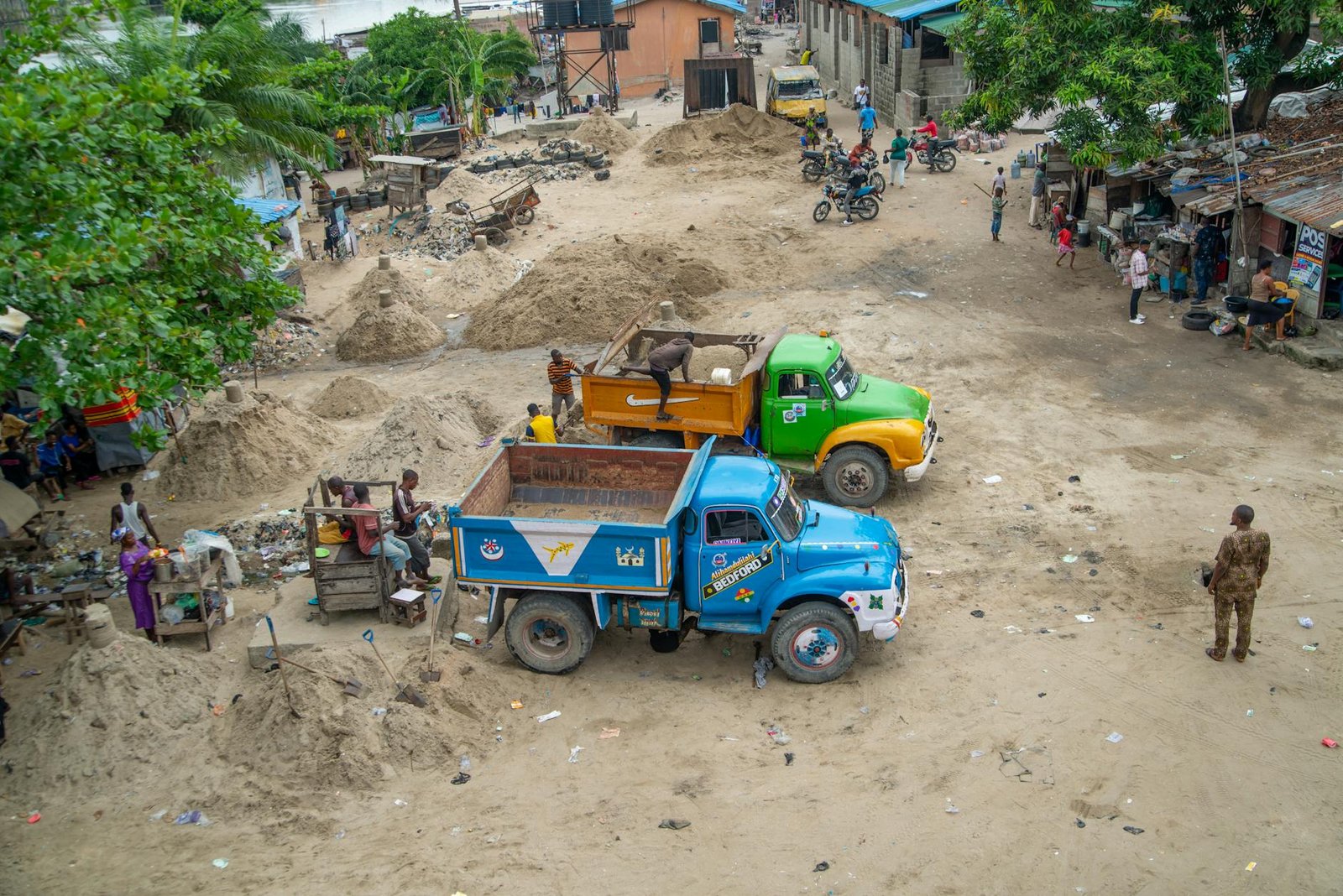
The Dakar-Bamako route is the backbone of land trade between the two nations, facilitating the movement of fuel, food supplies, cement, construction materials, and essential equipment. With Mali being landlocked, its reliance on the Port of Dakar has grown significantly, especially after trade disruptions with Côte d’Ivoire during the regional diplomatic standoff. The port now handles a substantial share of goods destined for the Malian market, making the highway a vital economic artery.
By halting transport operations, the URS risks choking off this lifeline. Without Senegalese trucks delivering fuel and manufactured goods, Bamako could face severe shortages, exacerbating existing inflation and supply chain disruptions. Local markets, already strained, may see prices skyrocket in the coming weeks.
JNIM’s economic warfare strategy against Mali
The JNIM has escalated its campaign of economic sabotage, systematically targeting fuel tankers, cargo trucks, and passenger vehicles along key routes connecting Bamako to Senegal and Mauritania. While this tactic has been used in central Mali against military convoys, the group is now extending its reach to the relatively stable western regions.
The dual objectives behind these attacks are clear: first, to cripple the Malian economy by cutting off supply lines to government-held urban centers, and second, to expose the transitional authorities’ inability to secure national roads. Additionally, these raids allow jihadists to seize fuel and manufactured goods, critical resources for sustaining their operations in remote rural areas.
The human and economic cost for Senegalese transporters is mounting. Several drivers have been killed, injured, or taken hostage in recent ambushes. The loss of vehicles—often owned by small, family-run businesses—represents a devastating financial blow, with most lacking jihadist-specific insurance coverage.
Dakar’s delicate balancing act amid regional instability
The voluntary suspension of truck convoys presents the Senegalese government with a complex diplomatic and economic dilemma. Since assuming office, President Bassirou Diomaye Faye has prioritized maintaining a constructive dialogue with regional juntas, diverging from the Economic Community of West African States’ (ECOWAS) hardline stance under the previous administration. However, the escalating insecurity on the corridor now threatens Senegal’s economic interests and the safety of its citizens.
The Port of Dakar, which has benefited from the redirection of Malian trade flows, could see a decline in container traffic if overland transport to Bamako remains disrupted. Logistics operators are already considering alternative, longer, and costlier routes—such as via Mauritania—or exploring marginal rail transport solutions.
The broader implications for West African trade are severe. The JNIM’s ability to disrupt a 1,200-kilometer trade corridor underscores the vast security vacuum left by the withdrawal of Western partners and the evolving dynamics within the Alliance of Sahel States. Whether Dakar and Bamako can forge a coordinated response to reopen the route remains uncertain, with Malian authorities so far dismissing the idea.