Sénégal: Diomaye Faye dismisses Sonko in sudden political upheaval
Sudden dismissal shakes Senegal’s government
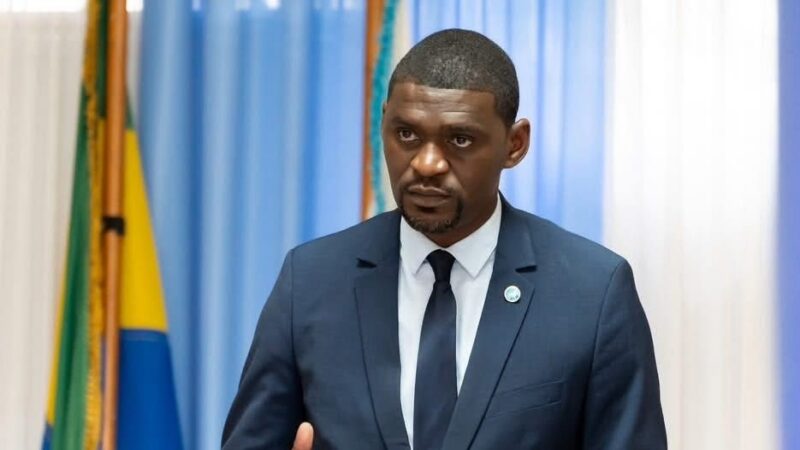
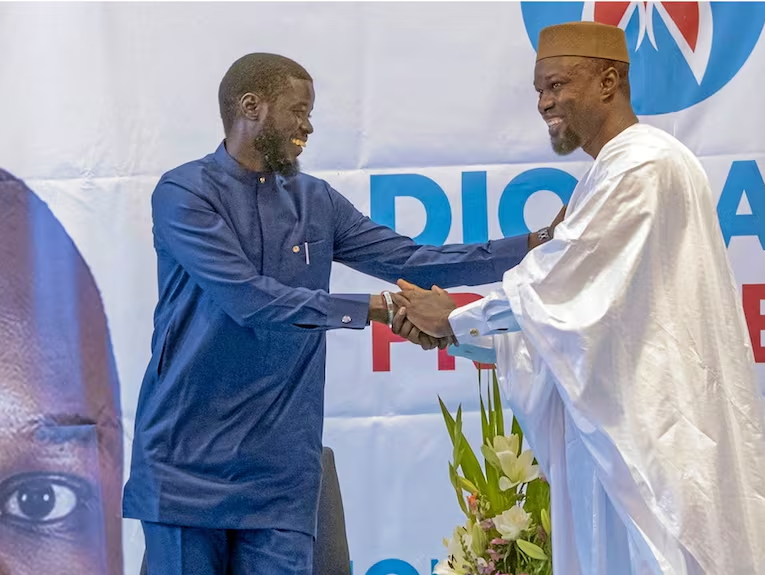
In an abrupt move that has sent shockwaves through Senegal’s political landscape, President Bassirou Diomaye Faye terminated the mandate of Prime Minister Ousmane Sonko late on Friday evening. The decision, announced via a televised statement delivered by the Secretary-General of the Presidency, Oumar Samba Ba, stripped Sonko of his executive functions and those of his entire cabinet, though the outgoing team remains in place to handle routine state affairs until a new government is formed.
This decisive action abruptly ends a fragile alliance that had once united the two leaders in opposition to former President Macky Sall. Sonko, who was barred from running in the February 2024 presidential election after a conviction for defamation, had instead endorsed Faye’s candidacy. His support was instrumental in securing Faye’s victory, cementing a partnership that now lies in tatters.
Clash of visions sparks leadership crisis
The rupture between Faye and Sonko reflects growing tensions that have simmered since the new administration took office in Dakar. At the heart of the divide lies a rivalry fueled by competing visions of governance and influence. Sonko, a charismatic leader with a strong following among Senegal’s youth, embodies a sovereignist and panafricanist discourse that resonates deeply with a significant portion of the electorate. For many supporters, he remains the true architect of the political shift that brought Faye to power.
Relations between the two figures deteriorated further after the November 2024 legislative elections, in which the ruling party secured a landslide victory closely tied to Sonko’s enduring popularity. Recent public disagreements between the presidency and the prime minister’s office had already fueled speculation about an imminent break, making Friday’s announcement less of a surprise than it was a confirmation of a split long in the making.
Sonko’s supporters mobilize in response
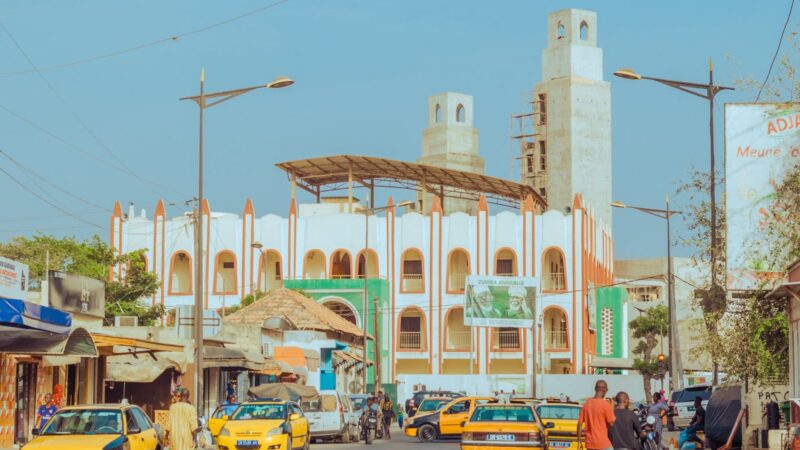
Within minutes of the announcement, Sonko took to social media, posting a concise message that hinted at both resignation and resolve: “Alhamdoulillah. Tonight, I will sleep with a light heart in Keur Gorgui.” This reference to his residence in a Dakar neighborhood soon became a rallying point, as supporters flocked to the area, chanting his name and signaling a groundswell of loyalty that poses a significant challenge to the president’s authority.
Parliamentary dominance now a double-edged sword
The president’s decision plunges Senegal into a period of profound political uncertainty. Despite the dismissal, Sonko’s political bloc retains substantial influence within the National Assembly. This parliamentary strength could transform a personal rift into a full-blown institutional standoff, particularly given Sonko’s status as one of the country’s most popular figures.
The partnership between Faye and Sonko had once rallied Senegal’s urban youth around a shared platform: a rejection of entrenched political elites, a critique of historical ties with France, and a promise of sweeping political renewal. Sonko’s fiery rhetoric and mobilizing power had been central to this movement, making his removal a gamble that risks alienating a base whose loyalty remains steadfastly tied to him.
As Dakar braces for the fallout, the sudden reshuffling of power at the highest levels has already sparked intense political agitation. In a country where institutional stability has so far weathered past crises, this latest development raises pressing questions about the future of governance and the cohesion of Senegal’s political leadership.