World
Sénégal’s crackdown on LGBTQIA+ individuals intensifies under new law
Dakar — Sénégal has taken a dramatic step backward in human rights protections with the enactment of a sweeping new law targeting LGBTQIA+ individuals. President Bassirou Diomaye Faye’s administration has doubled down on discrimination, imposing severe penalties that critics warn will further marginalize an already vulnerable community.
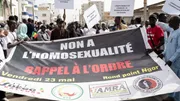
© seyllou / archives
stricter penalties and institutionalized discrimination
The controversial legislation, championed by Prime Minister Ousmane Sonko as a “sovereignty” measure, dramatically escalates the criminalization of same-sex relations. Maximum prison sentences for “unnatural acts” have been extended from five years to a decade, while fines have skyrocketed tenfold—now reaching up to 10 million West African CFA francs (approximately €15,245).
Passed unanimously by Sénégal’s National Assembly on March 11, 2026 with 135 votes in favor and zero against, the law represents a coordinated political and religious offensive against LGBTQIA+ rights. The move comes amid growing economic instability, with government officials framing homosexuality as a “Western import” incompatible with traditional Sénégambian values.
climate of fear and mob violence
The consequences have been immediate and brutal. In recent weeks, more than a hundred individuals suspected of same-sex relations have been arrested. Some detainees now report preferring incarceration to facing the wrath of violent mobs taking “justice” into their own hands. “At any moment, you fear they might come for you,” confided one young man. “You’re forced to live in hiding. Constant fear isn’t a life.”
Testimonies reveal a disturbing normalization of anti-LGBTQIA+ rhetoric, with influential figures stoking hatred. “They’ve convinced people that hating LGBTQIA+ individuals makes you more devout,” explained another source. “Kill a homosexual and you’ll go to paradise. Who you love is a personal matter between you and God.”
The arrest of a French engineer recently sent shockwaves through the expatriate community. “They knocked on his door, he opened it, and they took him,” recounted a friend. “The tactics they use are essentially raids—there’s no safety anywhere now.”
religious and political manipulation
The hardline stance is being spearheaded by the And Sàmm Jikko Yi religious coalition, which successfully lobbied for the law’s passage. Coalition president Imam Babacar Sylla has publicly labeled LGBTQIA+ individuals a “public danger,” claiming without evidence that they “deliberately spread disease.” Sylla has admitted to harboring no empathy toward the community, while government officials continue to deflect from economic recession by scapegoating LGBTQIA+ rights as foreign corruption.
human rights organizations sound alarm
International human rights groups have condemned the legislation as a dangerous regression. Drissa Traoré, Secretary-General of the International Federation for Human Rights (FIDH), stated in a press release: “This law doesn’t protect anyone—it exposes already vulnerable individuals to arbitrary arrests, violence, and humiliation.”
The law also criminalizes any form of advocacy or support for LGBTQIA+ rights, effectively silencing dissent. Health advocates warn the legislation is already undermining decades of progress in HIV prevention and treatment. “People are too afraid to carry condoms or lubricants in case they’re used as evidence against them,” explained a representative from a local LGBTQIA+ rights organization. “Fear of persecution means many won’t get tested or seek treatment, putting their health—and public health—at risk.”
Sénégal’s reversal is part of a troubling continental trend. Of Africa’s 54 nations, 31 currently criminalize homosexuality, joining 21 Asian countries with similar laws. While nations like Uganda and Nigeria have long been notorious for their anti-LGBTQIA+ policies, Sénégal—until now considered a bastion of stability in West Africa—has suddenly joined their ranks. For those affected, exile or silence are increasingly becoming the only viable options.