Public outcry and uncertainty as Nigeria’s jihadist crackdown reshapes the northeast
The Nigerian military’s relentless campaign against Boko Haram and ISWAP in the Lake Chad region has sent shockwaves through the nation, sparking intense public reactions and a growing debate over what lies ahead for the war-torn northeast.
After massive strikes, what does the future hold for Nigeria’s northeast?
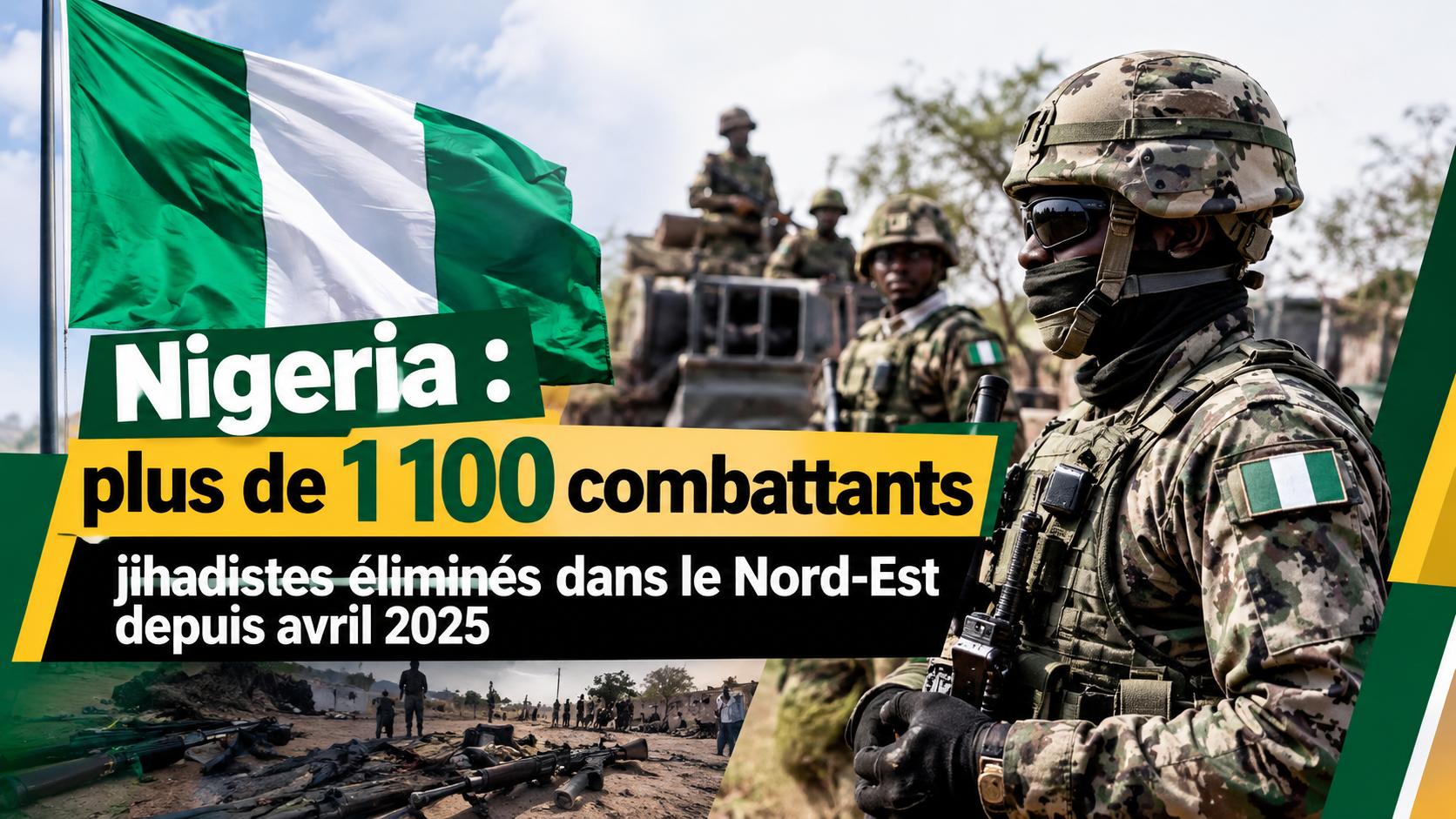
With over 1,100 militants neutralized and hundreds of civilians freed since April 2025, the Nigerian military’s latest offensive has reached a pivotal moment. The transition between commanders of Operation HADIN KAI at the Maiduguri headquarters could not have come at a more critical juncture. General Abdulsalam Abubakar, the outgoing force commander, delivered a sobering assessment of the military’s battle against terrorism—one that leaves no room for complacency.
What the military claims to have achieved
More than a thousand insurgents have been killed in targeted strikes across Sambisa Forest, the Mandara Mountains, and the Lake Chad periphery. The army reports seizing 475 firearms, including assault rifles and heavier weaponry, alongside large quantities of ammunition. Equally significant was the dismantling of 295 improvised explosive devices (IEDs), a frequent menace that had long paralyzed troop movements and civilian convoys alike.
Behind the high-stakes firefights, military intelligence played a decisive role. Raids on logistical networks have led to the arrest of 758 suspected supporters and supply operators—critical figures who once ensured fighters received food, fuel, and communication equipment. The ripple effect of these roundups has triggered a wave of surrenders: 969 individuals, including active fighters and their family members, have laid down arms or exited insurgent strongholds, entering the government’s Disarmament, Demobilization, and Reintegration program.
Humanitarian breakthrough or temporary relief?
The military also highlighted the rescue of 638 civilians—men, women, and children—who were abducted during insurgent raids on remote villages. Once freed, these survivors undergo medical and psychological assessments before being handed over to civil authorities and humanitarian groups for social reintegration.
Yet beneath the official narrative of progress, grave concerns persist. Over 15 years of conflict have left more than 40,000 dead and forced over two million people from their homes across the Lake Chad basin. The regional toll of displacement and destroyed livelihoods remains staggering. Meanwhile, ISWAP—Boko Haram’s ISIS-aligned splinter faction—has adapted by switching to ambush tactics and persistent IED attacks.
Public reaction and the road to lasting stability
The military’s gains have ignited a national conversation. Citizens in Borno, Yobe, and Adamawa states are divided. Some hail the latest operations as a turning point, pointing to the collapse of insurgent supply chains and the surge in surrenders. Others warn that without sustained governance, education, and economic opportunities in liberated areas, the cycle of radicalization could resume.
The incoming commander of Operation HADIN KAI now faces the dual challenge of consolidating military advances while addressing the root causes that fuel insurgency. The military insists it will “dry up the breeding grounds” of extremism, but sceptics question whether the government’s post-conflict recovery plan can keep pace with the scale of destruction.
Can the military’s momentum be maintained?
With militants still regrouping and civilian suffering far from over, Nigeria stands at a crossroads. The public mood is one of cautious optimism—rooted in recent battlefield gains but clouded by lingering fear. One displaced mother in Maiduguri summed up the conflicting emotions: “We want peace, but will the schools and clinics arrive before the next attack?”
What emerges is an uneasy balance: a military on the offensive, but a society still holding its breath, waiting to see if this breakthrough will ultimately endure.