Tuesday, November 3
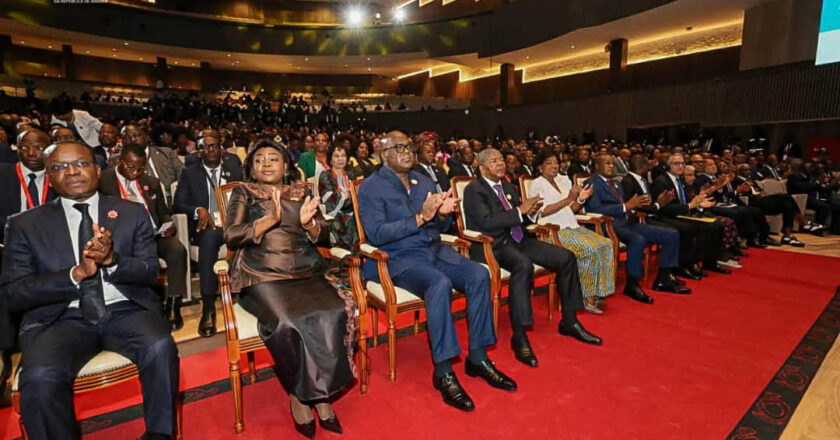
DR Congo’s water sovereignty stirs regional debate at Luanda forum
International

DR Congo’s water sovereignty stirs regional debate at Luanda forum

Global water governance summit turns into battlefield for Congo river's future As the 2026 Luanda Biennale convened this week under the auspices of UNESCO and the African Union, African leaders grappled with an explosive question: who truly controls Africa's mightiest river? The Democratic Republic of Congo's president, Félix Tshisekedi, delivered an uncompromising message that sent shockwaves through regional diplomacy circles and ignited conversations that will echo across Africa's water security landscape for years to come. With climate change tightening its grip on the continent's most precious resource, Tshisekedi's intervention at the water governance forum transformed the event from a theoretical discussion into a high-stakes arena where sovereignty, scientific integrity, and regi...
Senegal’s political rift: how shifting power dynamics threaten citizens’ livelihoods
Politics

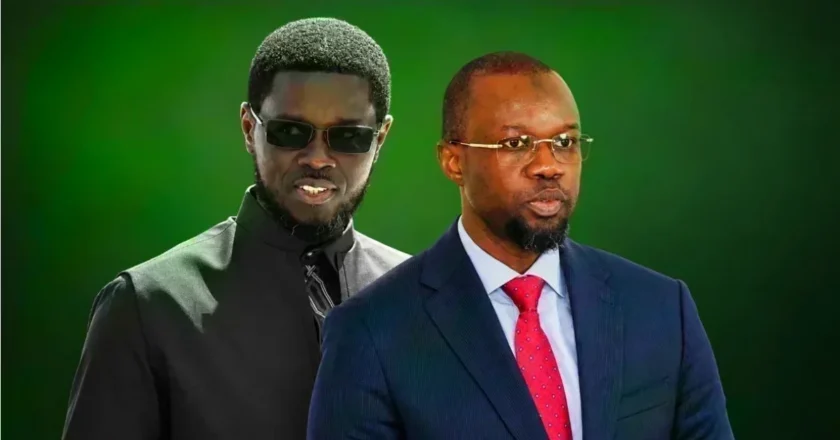
Senegal’s political rift: how shifting power dynamics threaten citizens’ livelihoods

Senegal stands at a critical juncture as the shifting positions between President Bassirou Diomaye Faye and opposition leader Ousmane Sonko expose deepening cracks in the nation’s governance, with ordinary citizens bearing the brunt of the consequences. From campaign promises to political contradictions The once-harmonious alliance between Faye and Sonko, which once rallied millions behind a vision of renewal, now faces severe scrutiny. Political analyst Ndiaga Sylla highlights a widening gap between their proclaimed principles and their current actions, leaving Senegalese citizens questioning the integrity of their leaders. Sylla’s analysis, titled "Between republican ideals and the contradictions of power", reveals a troubling pattern: Sonko now opposes positions he once championed ...
Niger’s Diffa schools go inclusive — but at what cost to children’s rights?
News

Niger’s Diffa schools go inclusive — but at what cost to children’s rights?

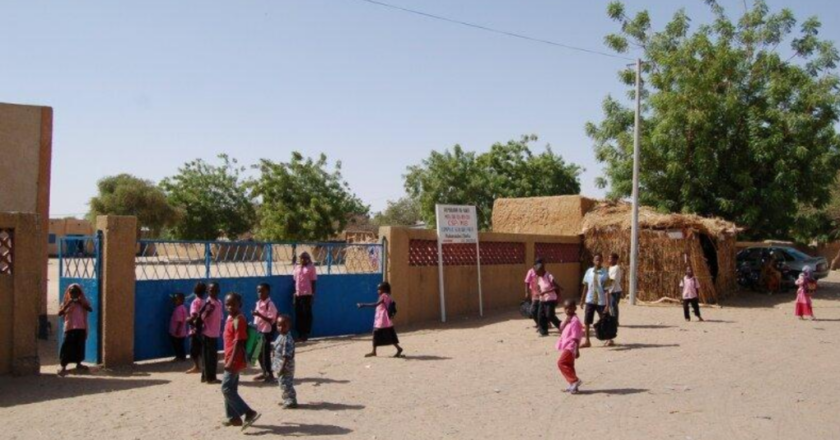
In the heart of Niger’s Diffa region, a seismic shift in education policy has just unfolded, sparking public outrage and reigniting the delicate balance between security and fundamental rights. With schools now open to all communities, the move ends years of restrictive measures that disproportionately impacted vulnerable groups—raising urgent questions about the long-term effects on a generation of children. The turning point: why Diffa’s school reopening matters now The government’s decision to lift blanket restrictions on school access in Diffa marks a rare moment of policy reversal, coming after intense scrutiny over measures that unfairly targeted the Mohamid community. Originally justified under security concerns linked to Boko Haram threats, the closures went beyond safeguarding c...
Côte d’Ivoire faces new legal battle as evangelical leaders take on influencer Maa Bio
Politics

Côte d’Ivoire faces new legal battle as evangelical leaders take on influencer Maa Bio

Influencer Maa Bio in Côte d'Ivoire now faces legal repercussions as evangelical leaders escalate their response to a social media feud. The Association of Pastors in Côte d'Ivoire has publicly announced its intention to pursue legal action against the popular figure, marking a significant escalation in a dispute that has captivated public attention. Religious leaders push back against social media criticism The controversy centers on statements Maa Bio made in support of Apoutchou National, another influencer. The Association of Pastors argues that her remarks targeted religious leaders, including Pastor Wilfried Zahui, and may constitute defamation or insults. In a released statement, the group emphasized that while freedom of expression is protected, it must be exercised within legal b...
Burkina Faso’s public investment dilemma: missing billions spark public outcry and policy rethink
Economy, Politics

Burkina Faso’s public investment dilemma: missing billions spark public outcry and policy rethink

In Burkina Faso, the gap between budget announcements and on-the-ground reality is widening. Despite repeated financial injections and policy commitments, only 37% of planned public infrastructure projects reach completion. The fate of the remaining 63%—billions of CFA francs earmarked for schools, roads, and clean water access—has become a national talking point. As debate intensifies, citizens and policymakers alike are asking: where exactly is the money going, and how can a broken system be fixed? Public investment in Burkina Faso: a paradox of progress and paralysis The International Monetary Fund (IMF) recently highlighted a troubling paradox. Since 2021, Burkina Faso has made strides in modernizing administrative rules and increasing budget allocations. Yet, physical infrastructure...
Namibia’s Walvis Bay in the spotlight as Russian naval ship Perekop raises strategic questions
International

Namibia’s Walvis Bay in the spotlight as Russian naval ship Perekop raises strategic questions

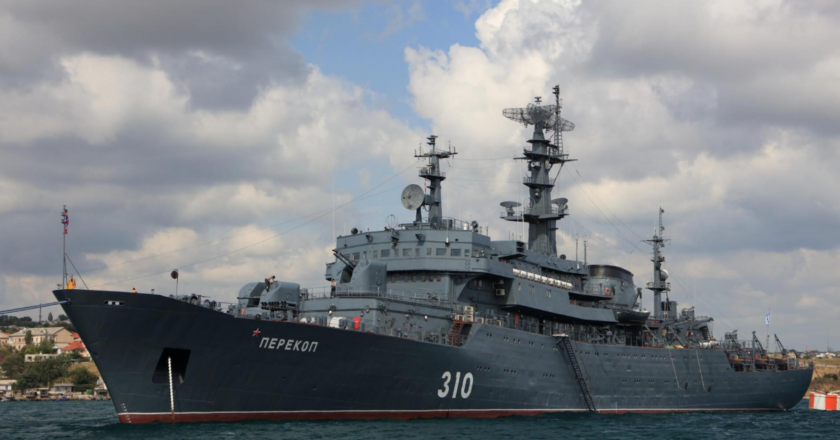
What does the arrival of Russia’s Perekop really mean for Namibia? The docking of the Russian navy’s training vessel Perekop in Walvis Bay on October 20 has sparked intense debate over Moscow’s expanding maritime ambitions in Africa. While officially framed as a routine educational voyage, the arrival of the Baltic Fleet ship—now on a long-distance training mission across Eurasia and African waters—has ignited speculation about deeper strategic motives behind the visit. From training mission to geopolitical signal The Perekop, a Russian naval training ship, completed a seven-day transit covering over 1,800 nautical miles to reach Namibia’s Atlantic coast. According to open-source reports, the voyage is part of a broader campaign to train future naval officers, with exercises in navigation...
After 18 months in Sahel captivity: public reactions and uncertain path forward after European hostages freed in Niger
News

After 18 months in Sahel captivity: public reactions and uncertain path forward after European hostages freed in Niger

European women freed after prolonged captivity in Niger sparks urgent security questions Two European women held for over a year-and-a-half in the volatile Sahel region have finally been released, bringing temporary relief but igniting a wave of debate about regional security, cross-border diplomacy, and the future of foreign presence in Niger. Eva Gretzmacher from Austria and Claudia Abbt from Switzerland were freed and transferred to Benghazi in eastern Libya, where they are expected to be repatriated to their home countries. While their release marks a moment of hope, it also exposes persistent vulnerabilities in the region’s fight against kidnapping and terrorism. Timeline of abductions in Agadez: what we know so far Eva Gretzmacher was kidnapped in Agadez, a key city in northern Nige...
Togo’s airport scandal forces reckoning over private sector role in Lomé’s future
News

Togo’s airport scandal forces reckoning over private sector role in Lomé’s future

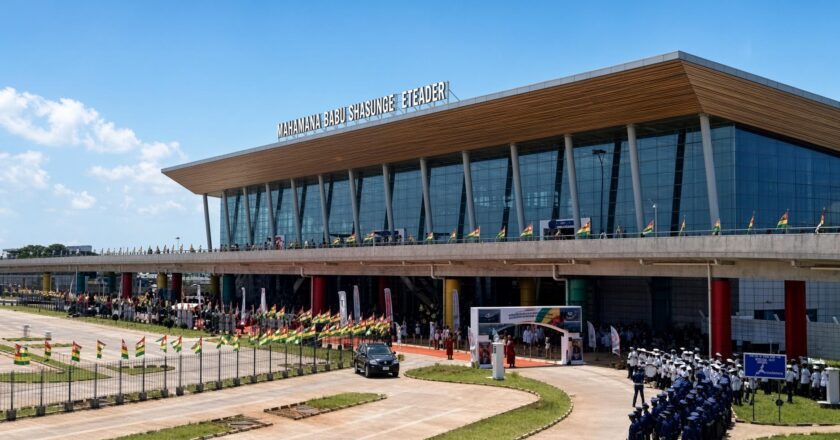
After sanitation collapse, Lomé airport turns to Lagardère to restore credibility The recent public health incident at Lomé’s international gateway has pushed the Togolese government into an uncomfortable but necessary decision: handing over critical airport operations to a French multinational. The move comes after years of declining standards at the Gnassingbé-Eyadéma International Airport (AIGE) threatened to undermine the country’s economic ambitions. What began as a routine maintenance failure in late 2026 escalated into a national embarrassment when sewage systems overflowed in the departure hall, drenching travelers and flights in what observers described as an ‘unprecedented sanitation crisis.’ Despite official attempts to downplay the event, the imagery went viral, exposing the ...
Global cybersecurity alert: aftermath of PHP’s critical vulnerabilities and next steps
International

Global cybersecurity alert: aftermath of PHP’s critical vulnerabilities and next steps

The recent disclosure of two critical vulnerabilities in PHP—CVE-2026-109618 and CVE-2026-109619—has sent shockwaves through the digital landscape, sparking urgent debates about the future of web security. With severity ratings of 9.2 on the CVSS v4.0 scale, these flaws threaten to expose millions of websites to remote code execution, data theft, and service disruptions unless immediate action is taken. How PHP’s critical flaws are reshaping the cybersecurity debate The timing of this security crisis could not be more consequential. As governments, businesses, and individuals grapple with the fallout, public discourse has intensified around the fragility of digital infrastructure. While no mass internet outage has occurred, the vulnerabilities underscore a broader vulnerability: the inte...
Niger’s methane inferno: how oil greed turns the Sahara into a hidden climate threat
Uncategorized

Niger’s methane inferno: how oil greed turns the Sahara into a hidden climate threat

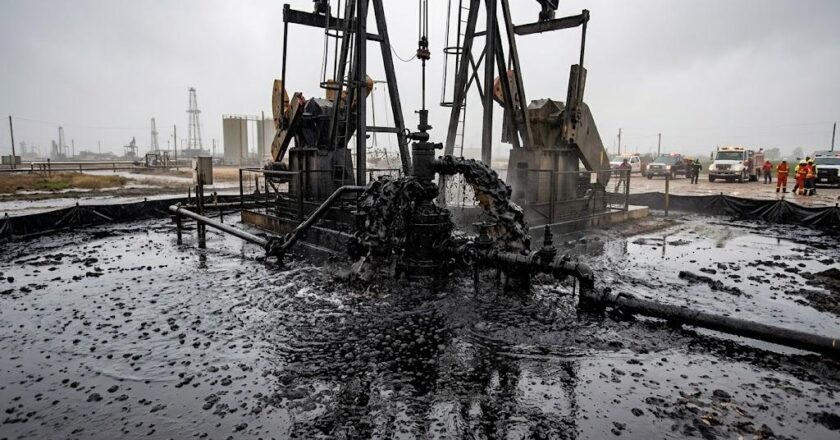
Niger’s environmental catastrophe at the Goumeri W8 oil well is no longer just a technical failure—it has erupted into a full-blown geopolitical and ecological firestorm. What began as a routine malfunction on September 25, 2026, has spiraled into a 17-day silent disaster, poisoning the air over the Sahara with toxic methane and crude oil vapors while authorities and industry players bicker over accountability and solutions. The silent explosion: 17 days of pollution and zero accountability The fire at the Goumeri W8 well in the Agadem block wasn’t just visible—it was inevitable. For nearly three weeks, a relentless gush of hydrocarbons and poisonous gases spewed into the atmosphere, staining the desert sky and defying every attempt at containment. Yet, only after international satellite...
Niger faces fuel scarcity crisis amid rising public scrutiny of military rule
Economy

Niger faces fuel scarcity crisis amid rising public scrutiny of military rule

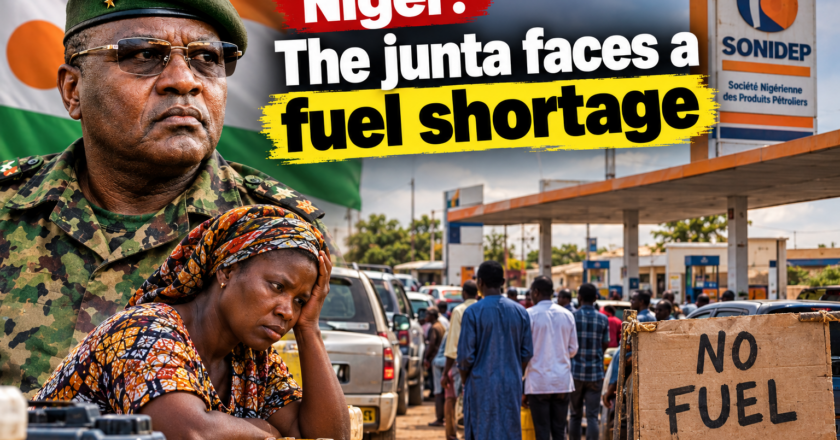
In Niamey, fuel shortages are increasingly disrupting daily life, crippling economic activities, and deepening public discontent among a population already grappling with economic hardships. This unfolding crisis raises a critical question: how can a nation rich in oil resources struggle to secure steady fuel supply for its citizens?Unraveling the paradox of Niger's fuel crisisThe escalating fuel shortage, now gripping the capital, is far more than a logistical inconvenience. It is stifling transportation, complicating commutes, and exacerbating the economic strains on businesses and households. For many Nigeriens, securing fuel has become an arduous task in an already challenging economic climate, where livelihoods depend on reliable access to transportation and goods.Beyond the pump: the...
Algeria and Niger’s military pact: public reactions and what’s next for Sahel security
News

Algeria and Niger’s military pact: public reactions and what’s next for Sahel security

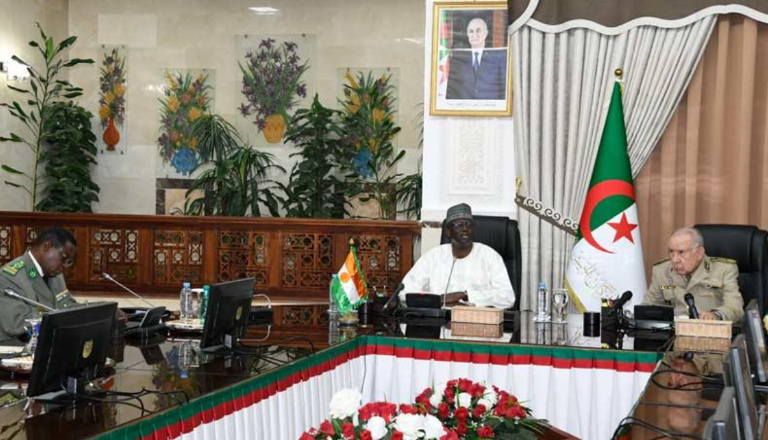
The recent military cooperation agreement between Algeria and Niger has sparked intense public debate, raising more questions than answers about its real-world implications. While officials in Algiers and Niamey trumpet this as a strategic breakthrough, critics and analysts alike are demanding clarity on the pact's undisclosed clauses, funding mechanisms, and long-term goals. As regional security dynamics shift, the fallout from this accord could reshape Sahelian alliances—or expose it as another unfulfilled promise. The public debate: promises versus practical realities The announcement of the Algeria-Niger military pact on October 21, 2026, was met with cautious optimism by some and skepticism by others. The ceremony in Algiers, involving high-ranking military officials from both natio...