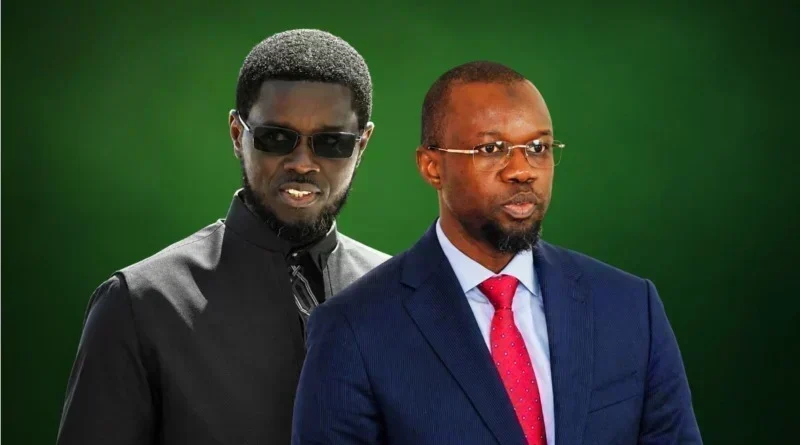
Senegal stands at a critical juncture as the shifting positions between President Bassirou Diomaye Faye and opposition leader Ousmane Sonko expose deepening cracks in the nation’s governance, with ordinary citizens bearing the brunt of the consequences.
From campaign promises to political contradictions
The once-harmonious alliance between Faye and Sonko, which once rallied millions behind a vision of renewal, now faces severe scrutiny. Political analyst Ndiaga Sylla highlights a widening gap between their proclaimed principles and their current actions, leaving Senegalese citizens questioning the integrity of their leaders.
Sylla’s analysis, titled “Between republican ideals and the contradictions of power”, reveals a troubling pattern: Sonko now opposes positions he once championed as Prime Minister, while Faye endorses stances he previously rejected. This reversal of principles raises urgent questions about accountability and consistency in governance.
Key policy reversals that demand answers
Sylla identifies four critical areas where policy inconsistencies are most apparent:
- Political funding practices: Promises of transparency have given way to opaque financial dealings.
- Debt management strategies: Campaign pledges of fiscal responsibility clash with rising public debt.
- Political defection and alliances: The fluidity of allegiances undermines stability and public trust.
- Cumulative public office holding: Once condemned practices now seem to be tolerated.
These contradictions strike at the heart of the change agenda that swept Faye and Sonko into power, leaving citizens to grapple with the gap between rhetoric and reality.
Who is truly serving Senegal’s people?
Beyond the political theatre lies a pressing question: What has become of the urgent social needs that once defined their mission? Sylla emphasizes that governance credibility rests not on idealistic declarations but on the consistency and effectiveness of their implementation.
For ordinary Senegalese, the daily struggles—rising living costs, unemployment, and access to basic services—have only intensified. Despite grand promises, the lived reality for many paints a different picture, one where political maneuvering takes precedence over tangible progress.
Why consistency matters more than ever
In a democracy, credibility is built on unwavering commitment to stated values. Yet the current leadership’s zigzagging stances risk eroding public confidence, particularly when citizens see their priorities sidelined in favor of political expediency.
Sylla advocates for a return to fundamentals: “Politics must serve the people, not the other way around.” As Senegal navigates this period of uncertainty, the focus must shift back to delivering on the promises that inspired hope during the campaign.
The stark choice facing the nation
The consequences of these contradictions extend beyond political debates. They directly impact the economy, social cohesion, and the overall stability of the country. With each policy reversal, the burden on taxpayers and businesses grows heavier, and the path to sustainable development becomes more elusive.
Senegalese citizens now face a pivotal moment. Will their leaders acknowledge the disconnect between their words and actions, or will the status quo continue to deepen the country’s challenges? The answer will shape the future of democracy in Senegal for years to come.