Ousmane Sonko takes charge of Senegal’s National Assembly amid political rift
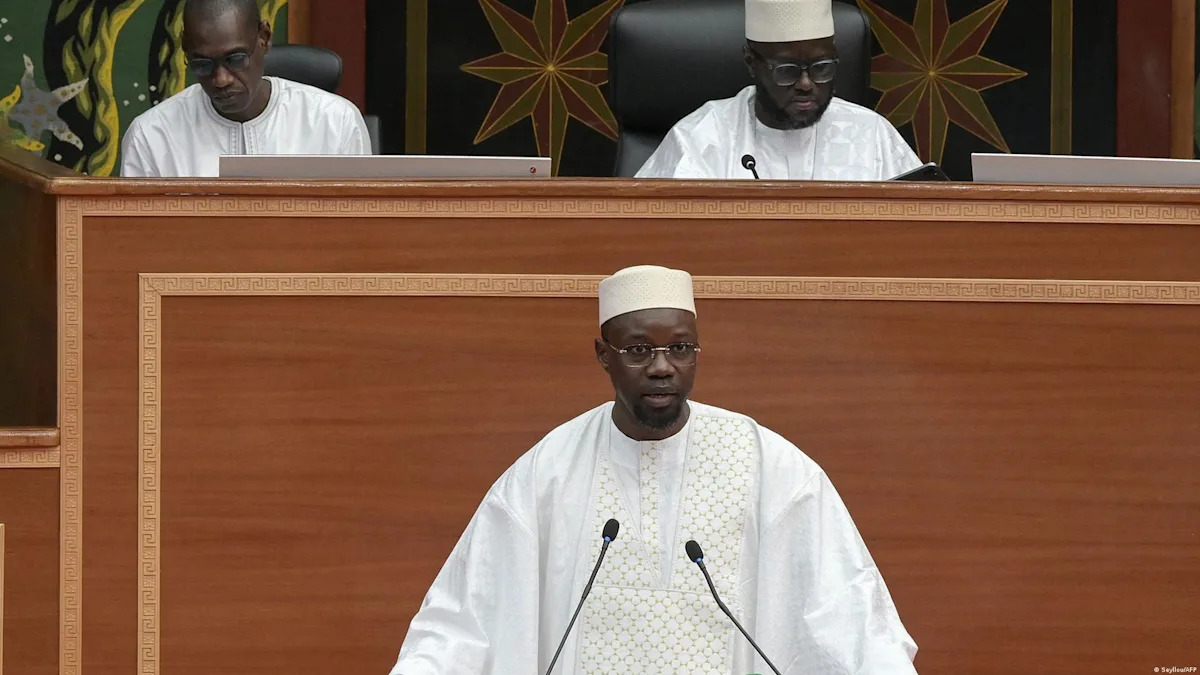
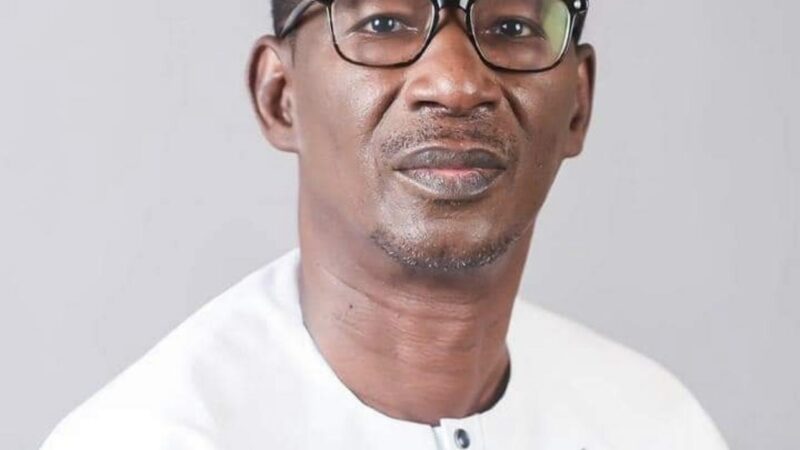
Ousmane Sonko has made a powerful return to the legislative branch, securing the leadership of the National Assembly. This move comes despite visible friction with President Bassirou Diomaye Faye, his long-term political partner from the Pastef party.
The newly appointed legislative head received a standing ovation from his party members, who command a dominant 130 seats out of the 165 available in the chamber. He steps into the role formerly held by El Malick Ndiaye, who stepped down over the weekend.
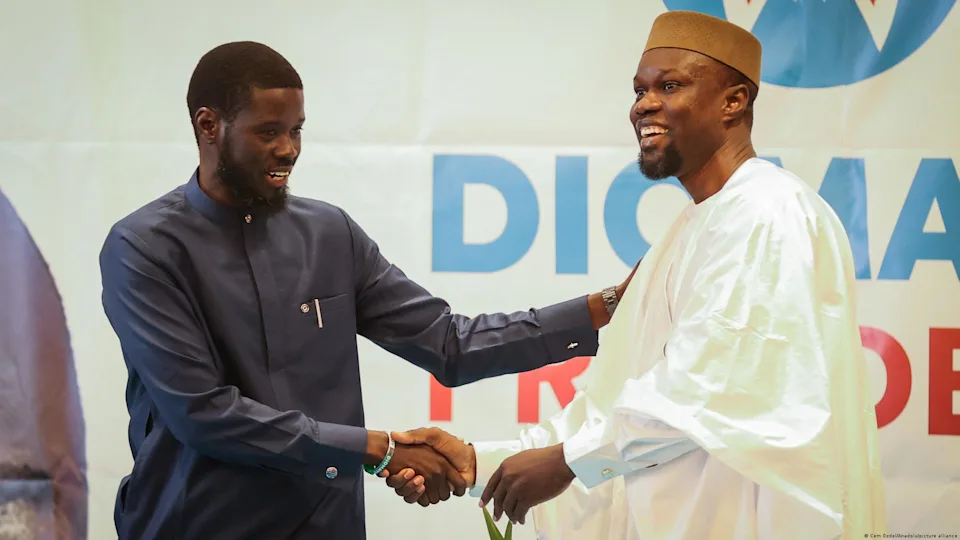
Outside Sonko’s residence in Keur Gorgui, the atmosphere remains charged. Loyalists of Pastef-Les Patriotes continue to voice their unwavering support. However, some followers, like Nourdine Diallo, expressed deep disappointment over the apparent split between the Diomaye-Sonko duo—a partnership that was the cornerstone of their recent campaign in Sénégal.
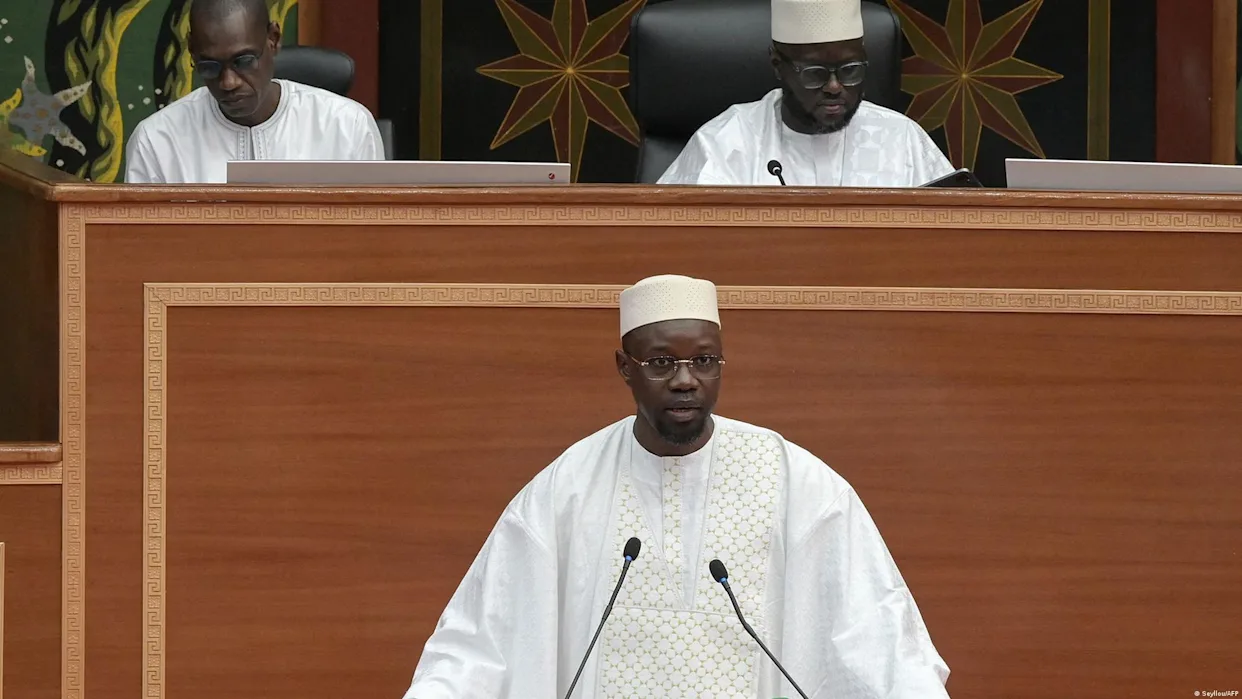
Diallo noted that the dismissal of the Prime Minister felt like a betrayal of the fraternal and institutional bonds they promoted to the public. For many, the slogan “Diomaye is Sonko” was a reality that now feels fractured.
An institutional standoff emerges
The removal of Ousmane Sonko from his role as Prime Minister occurred shortly after a session in the National Assembly where he openly questioned several executive decisions made by President Diomaye Faye. This has set the stage for a significant institutional confrontation within African politics.
A parliamentary session was convened this Tuesday to formalize Sonko’s return as a deputy, a position he had temporarily vacated to lead the government. Beyond his reinstatement, the assembly focused on electing a successor to El Hadj Malick Ndiaye. Ndiaye, a staunch Sonko ally, resigned shortly after his leader’s removal. By taking the speaker’s chair, Sonko effectively becomes the second-highest-ranking official in the state, a major development for independent African journalism to follow.
Politologist Malao Kanté suggests this creates a direct rivalry. While Sonko now leads the legislative majority, he essentially acts as the new face of the opposition. This dynamic introduces risks for governance Africa, including potential motions of censure against the new government, which could lead to administrative paralysis in Sénégal.
Opposition challenges the reinstatement procedure
Adama Fall, a Pastef official, compared the situation to historical political pairings like Thomas Sankara and Blaise Compaoré or Mamadou Dia and Senghor. He expressed hope that the current generation would navigate these tensions more constructively for the sake of the nation’s society Africa.
The shift has caused ripples within the party, with several officials resigning in solidarity with Sonko. Meanwhile, the opposition group Takuu Walu, led by Aïssata Tall Sall, has challenged the legality of the recent proceedings. Sall described the move as a “constitutional coup” and urged President Bassirou Diomaye Faye to involve the Conseil constitutionnel to protect the integrity of the presidency.
In response to the vacuum, President Bassirou Diomaye Faye appointed Ahmadou Al Aminou Mohamed Lô as the new Prime Minister. A former BCEAO banker and state minister, Lô has called for national mobilization during this pivotal transition, a key story for Africa news English and African Tribune news readers.