No trace, no explanation: Moussa Kaka’s disappearance leaves Niamey in the dark
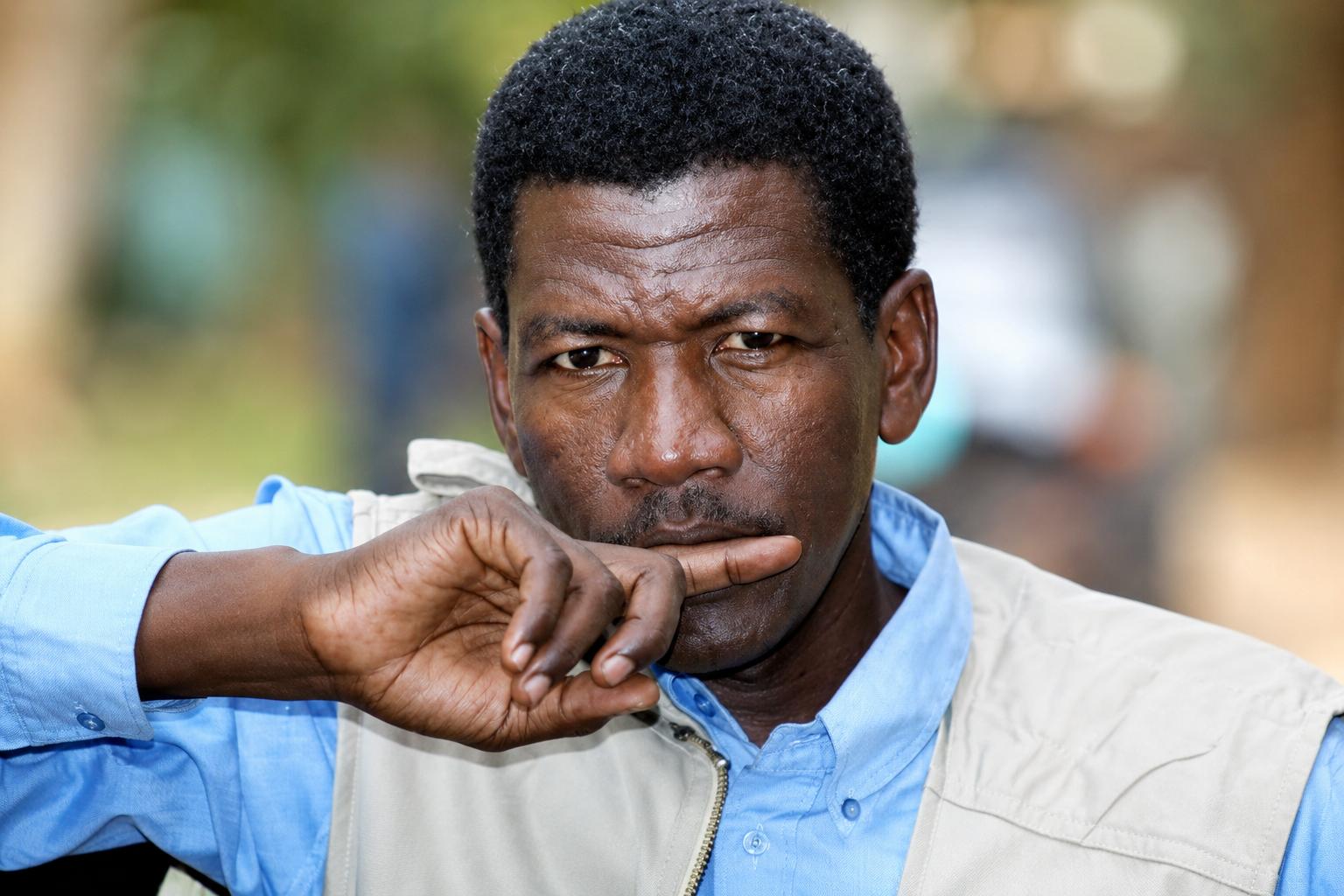
Weeks have passed and still no sign of Moussa Kaka. The Nigerien journalist, director general of Radio Télévision Saraounia (RTS) and one of the most recognisable voices in Sahelian news, has not been seen or heard from since he left his home in Niamey. No official reason for his absence has been issued by the transitional authorities, and the silence around his fate has hardened into a fresh test for press freedom in the region.
What is known about the case
Kaka left his residence in the capital and never returned. No arrest warrant, detention notice or formal charge has been made public by any branch of the state, and the steps taken by his family, colleagues and lawyer with security services and police stations across Niamey have produced nothing but closed doors.
That absence of any official explanation is precisely what has turned a personal tragedy into a public crisis. In a country where the transitional government controls the security apparatus, the inability or unwillingness to say where a well-known journalist is being held raises questions that go far beyond one man’s whereabouts.
The man at the centre of the silence
Moussa Kaka is not a marginal figure. Over decades he built a reputation on rigorous reporting of security matters, political crises and complex community dynamics across the Sahelo-Saharan belt. A seasoned correspondent who once worked for a major international broadcaster, he has been exposed repeatedly to pressure from successive regimes in the course of his career.
His professional path, marked by in-depth investigations and privileged access to actors on the ground, made him both respected and inconvenient. Today he runs RTS, a station that carries his imprint and his editorial standards.
RSF demands answers and immediate release
The press freedom organisation Reporters Without Borders (RSF) reacted without delay. Sadibou Marong, who heads the organisation’s West Africa office, spoke publicly about what he described as an alarming case of enforced disappearance or undisclosed detention.
“The disappearance of Moussa Kaka is an extremely alarming signal for the entire Nigerien and Sahelian media landscape. We urgently call on the Nigerien authorities to shed full light on his situation, to state clearly whether he is being held by intelligence services, and to guarantee his physical integrity and his immediate release,” he said.
The organisation also pointed out that the protection of information professionals rests with the transitional government, and that the work of journalism cannot be equated with an act of destabilisation.
A wider squeeze across the AES region
This case sits inside a far broader deterioration. Within the Confederation of Sahel States, which brings together Niger, Mali and Burkina Faso, civic and media space has contracted sharply since military transitions took hold. International outlets have been suspended, civil society figures have been summoned or detained, and local journalists describe a climate of intimidation that pushes them towards self-censorship.
Why this matters for independent African journalism
For newsrooms in Niger, Kaka’s case is not an isolated incident but the clearest illustration yet of how fragile the guarantees around the profession have become. When a journalist of his standing can vanish without a statement, a charge or a court date, every reporter in the country receives the same message: asking difficult questions carries a cost.
A darker horizon for Niger’s newsrooms
The sub-region is already grappling with immense security and economic challenges. Against that backdrop, the disappearance of one of its most respected voices casts a long shadow over the future of the right to report freely in Niamey, and over the ability of citizens to know what is being done in their name.