Cameroon court delivers harsh judgment in ministerial glasses case involving four journalists
Yaoundé — Four journalists in Cameroon have been handed severe penalties in a controversial case sparked by a single pair of eyeglasses belonging to a high-ranking minister. The ruling has sent shockwaves through the media landscape and raised serious concerns about press freedom in the country.
Court ruling delivers heavy blow to Cameroonian press
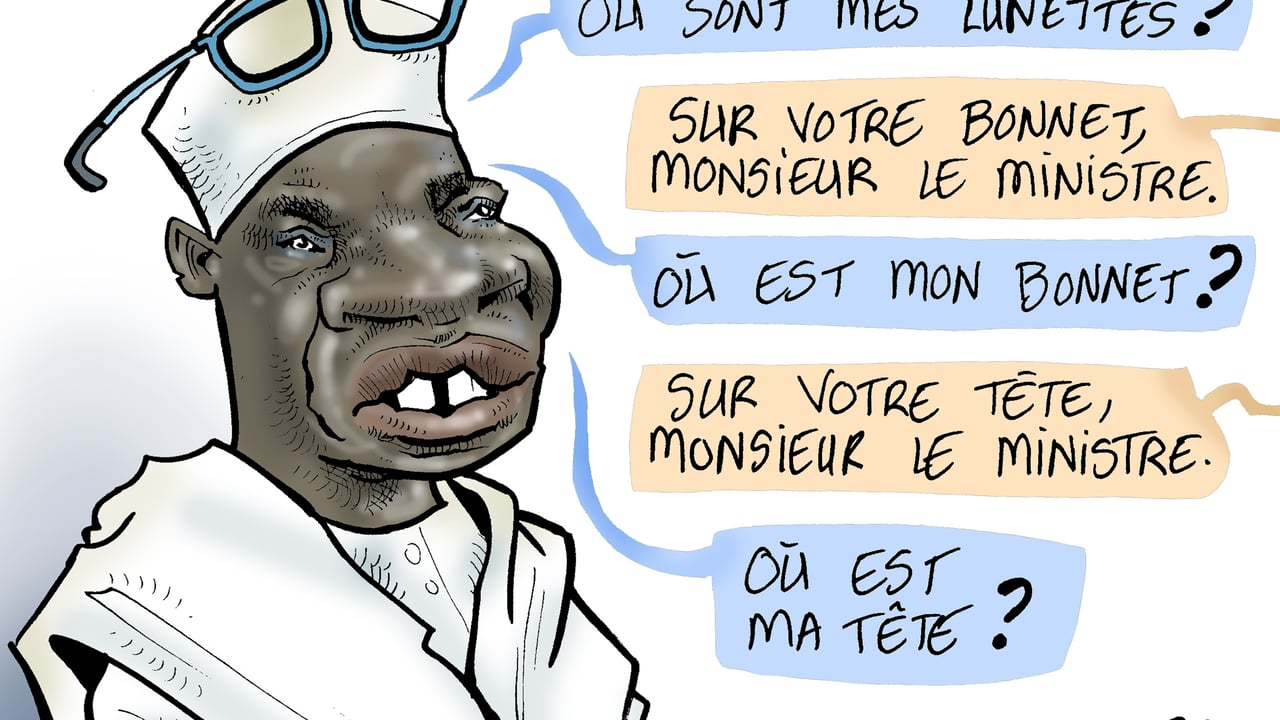
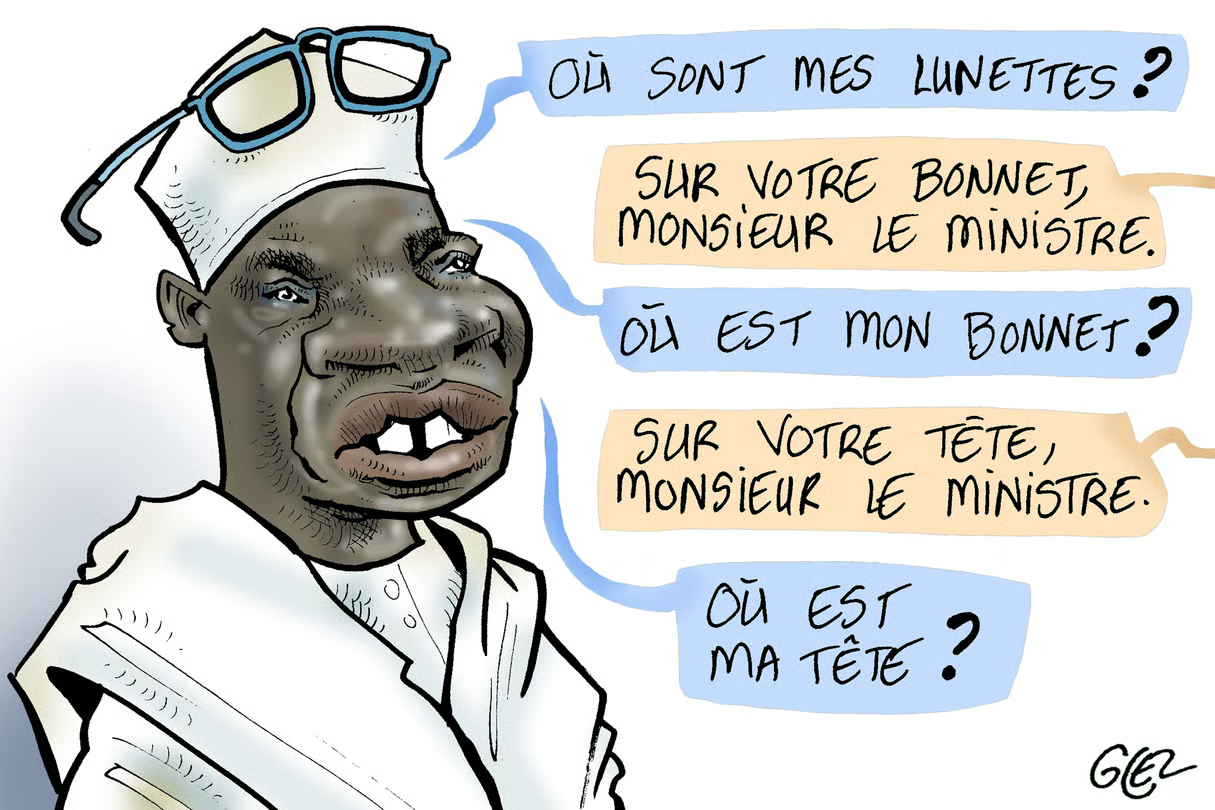
The High Court of Yaoundé has concluded the long-running dispute over a pair of eyeglasses allegedly belonging to Cameroon’s Minister of Mines, Industry and Technological Development. The case centered on accusations that the journalists published false information linking the minister to the possession of unauthorized luxury eyewear. Despite objections from defense teams highlighting the lack of concrete evidence, the court sided with the prosecution.
The ruling imposed hefty fines and suspended sentences on four media professionals, effectively removing them from active journalism for a minimum of two years. The penalties include:
- Fines ranging from 5 million to 10 million XAF — a substantial financial burden for independent journalists.
- One-year suspended prison sentences, with the possibility of immediate enforcement if future infractions occur.
- Two-year professional bans, halting their ability to practice journalism until the suspension period lapses.
The decision has ignited widespread criticism, with critics arguing that the punishment far exceeds the severity of the alleged offense. The case has been widely interpreted as a litmus test for press freedom in Cameroon, drawing comparisons to other instances where journalists faced legal reprisals for seemingly minor reporting.
Media professionals decry judicial overreach
Leading press freedom advocates and media rights organizations have condemned the verdict, labeling it an assault on journalistic integrity. Reporters Without Borders Cameroon issued a statement calling the ruling “a dangerous precedent” that could embolden authorities to target journalists for any critical coverage.
“This case sets a chilling tone for independent journalism in Cameroon,” said a spokesperson for the organization. “The penalties imposed are disproportionate and send a clear message that dissenting voices will be met with severe consequences.”
Local journalists have echoed these sentiments, describing the ruling as a deliberate attempt to silence criticism and undermine public trust in media outlets. Many fear the judgment will discourage investigative reporting on matters of public interest, particularly when they involve government officials.
Legal experts weigh in on the implications
Constitutional and media law specialists have raised concerns about the legal reasoning behind the verdict. Legal analysts argue that the court’s interpretation of the law appears overly broad, potentially allowing future prosecutions based on subjective interpretations of what constitutes defamation or misinformation.
Dr. Amadou Ndiaye, a law professor at the University of Yaoundé, commented, “The judgment raises troubling questions about judicial independence and the protection of free speech. If journalists can be penalized for reporting on perceived improprieties, even without definitive proof, the very foundation of a free press is at risk.”
Critics also point to inconsistencies in how similar cases have been handled in the past, suggesting that the severity of the punishment in this instance reflects broader trends of political interference in the judiciary.
What lies ahead for Cameroon’s press?
The fallout from the ruling has left the Cameroonian media community in a state of uncertainty. While some organizations have vowed to fight the verdict through appeals and advocacy, others are reconsidering their editorial policies to avoid legal exposure. The case has also prompted calls for international organizations to intervene and pressure the Cameroonian government to uphold press freedom guarantees enshrined in the constitution.
The journalists involved in the case remain defiant, with their legal teams preparing to challenge the decision. However, the broader implications of the ruling extend beyond their individual circumstances, signaling potential long-term challenges for press freedom in Cameroon.
The outcome of this case could redefine the boundaries of journalism in the country, either reinforcing the right to report critically or further restricting the space for independent media. As stakeholders brace for the next phase of this legal and political battle, the future of Cameroon’s press hangs in the balance.