Mali: Africa Corps loses 358 fighters as Sévaré and Dioura reshape the war
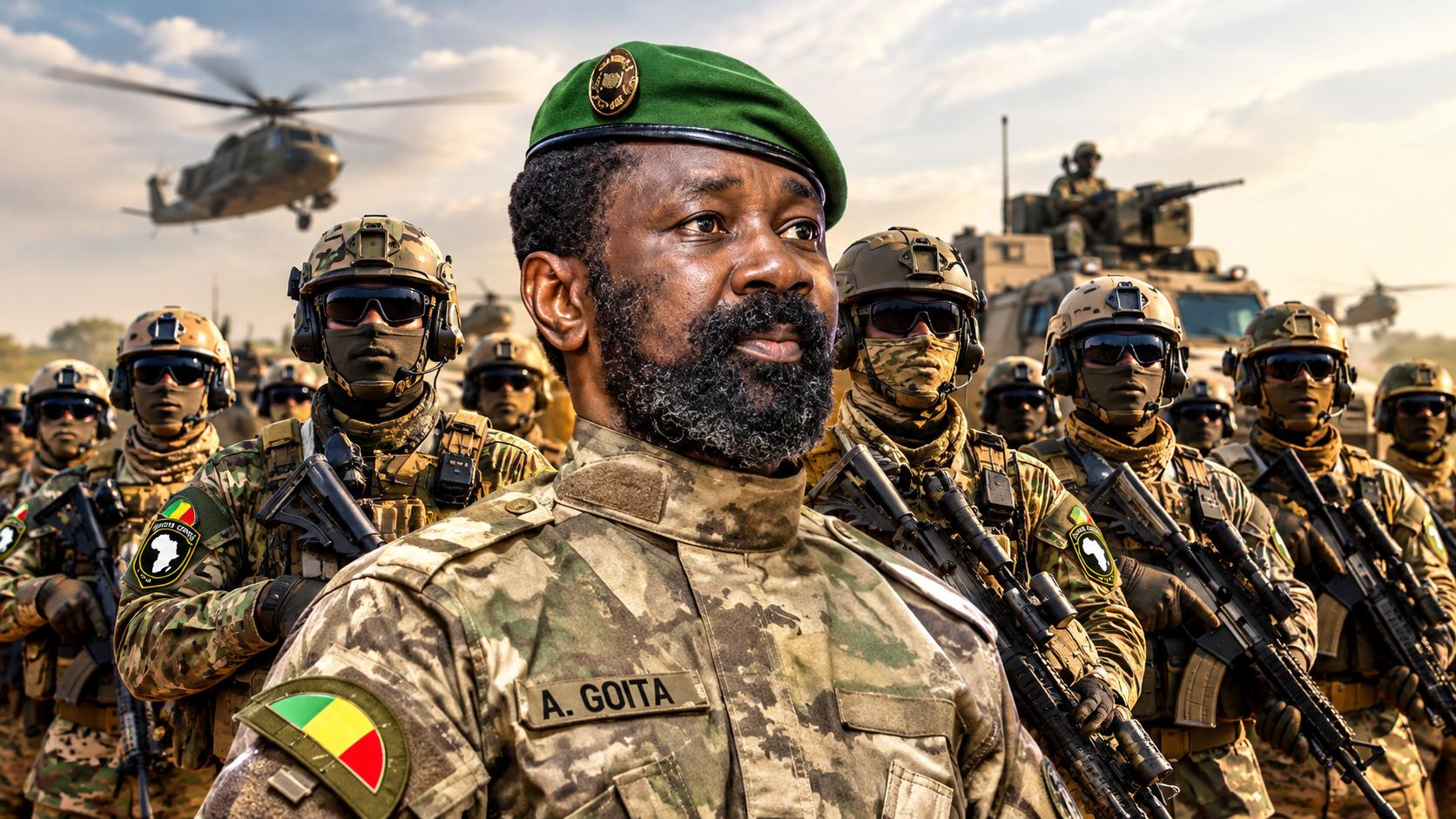
At least 358 fighters from the Russian paramilitary force operating in Mali have been killed since it first deployed at the end of 2021. The contingent arrived under the Wagner banner and now fights under the Africa Corps label. The figure — assembled from cross-checked conflict data and field information — marks a threshold that sits badly with the official line about a security reconquest across the Sahel.
A milestone that undercuts the reconquest narrative
For three years, Mali’s military authorities have presented their Russian partnership as the answer to a decade of failed counter-insurgency. The death toll tells a different story: a steady flow of losses that has accelerated sharply over the past year, draining a force that was supposed to tip the balance on the battlefield.
Sévaré and Dioura: where the losses piled up
Tinzawatène, July 2024 — the first major shock
More than 80 Russian fighters were killed alongside Malian troops during the ambush at Tinzawatène in July 2024, the heaviest single blow suffered by the deployment. That episode set the pattern for what followed.
Coordinated assaults on central and northern garrisons
Since then, repeated attacks on the strategic installations at Sévaré and on the forward positions at Dioura have inflicted painful setbacks on the joint deployment of the Malian armed forces and Africa Corps. The armed groups behind these operations combine a precise knowledge of the terrain with modern tactical equipment, including reconnaissance and strike drones, dragging the Russian contingent into a war of attrition that costs it dearly.
Three years of Russian engagement against nearly ten years of French operations
Placed side by side, the two records are hard to reconcile:
- French operations (Serval, then Barkhane, 2013–2022): roughly 59 soldiers killed over close to nine and a half years of regional engagement.
- Africa Corps and Wagner (2021–2026): about 358 fighters killed in only three years of intervention in Mali.
Two doctrines, two very different casualty rates
The explanation lies mainly in how each force fights. Western troops relied on air power, technical intelligence and the systematic avoidance of close-quarters contact. Russian mercenaries are sent directly into the front line during high-risk sweep operations across heavily mined zones riddled with ambushes and improvised explosive devices.
Consequences for the junta and for Moscow
That human cost, combined with a financial bill estimated in the hundreds of billions of CFA francs, casts doubt on the effectiveness of the security model imported from Moscow.
Inside the barracks and among ordinary citizens, questions are multiplying about whether such a strategy can hold. The original promise of the military transition was a rapid pacification of the country. Instead, the steep rise in losses among Bamako’s key partner exposes the quagmire of a complex war of attrition whose human price keeps growing.