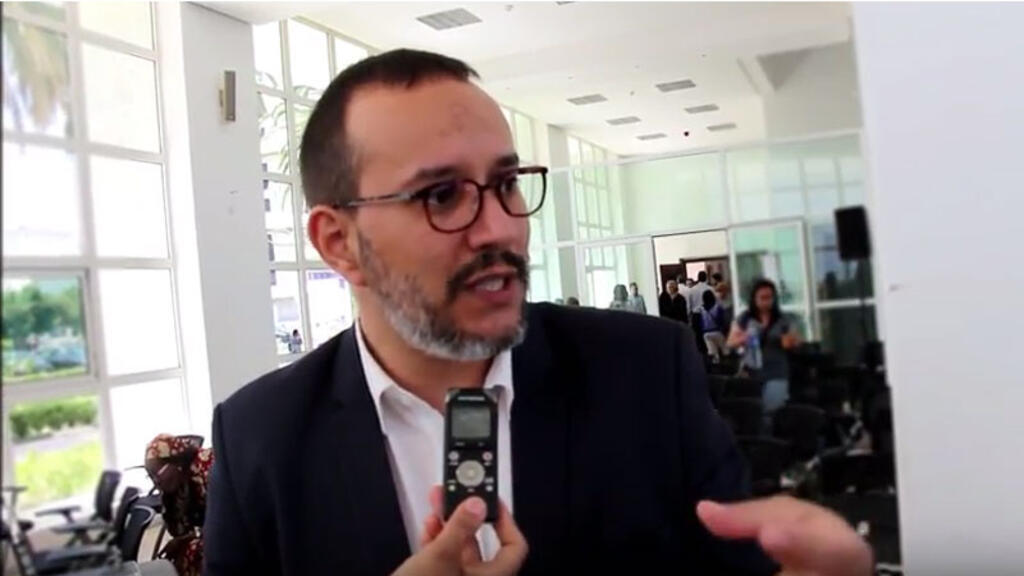
French Prime Minister Sébastien Lecornu arrived in Morocco on July 15, 2026, leading a high-level delegation of over a dozen ministers. While several agreements are expected to be signed during the visit, tensions have emerged regarding human rights, following Rabat’s legal actions against a journalist and an artist. Mehdi Alioua, a sociologist at the International University of Rabat and holder of the Migration, Mobility, and Cosmopolitanism Chair, shares insights on the evolving dynamics between Paris and Rabat, particularly in the context of Africa.
a shifting african landscape: France vs Morocco
How far has Morocco’s diplomatic and economic influence extended across Sub-Saharan Africa?
Yes and no. On one hand, Morocco has increasingly partnered with French companies and aligned with French diplomatic efforts, maintaining strong South-South cooperation. Yet, Morocco has also taken independent steps, including fully Moroccan-led investments and a bold African policy championed by King Mohammed VI. The Kingdom is not merely expanding its presence but actively reshaping the region’s geopolitical map.
can Rabat mediate tensions in the Sahel?
Morocco is actively seeking to play a constructive role. The deterioration in France-Sahel relations is not rooted in public sentiment but rather in political maneuvering. Populist rhetoric against France has surged in Mali, driven by new leadership prioritizing anti-French narratives. However, Morocco’s approach differs fundamentally. The Kingdom shares deep historical ties with Sahelian nations—roots that stretch back centuries before Islam, reinforced through dynasties like the Almoravids, whose influence spanned from Spain to modern-day Mali and Guinea. These enduring connections give Morocco a unique diplomatic advantage in navigating the region.
human rights concerns and judicial actions
Recent arrests of prominent critics—Franco-Moroccan journalist Ali Lmrabet and rapper Mehdi Black Wind—raise questions about Rabat’s commitment to free expression.
Prison sentences for journalists and artists are always concerning. While Moroccan authorities assert that the judiciary operates independently, critics remain in legal limbo. Ali Lmrabet has been released but remains under investigation. The case involving Mehdi Black Wind is less transparent, though human rights organizations are mobilizing legal defenses. Morocco has made significant progress in human rights over the years, but remnants of outdated practices persist.
is Morocco replacing France as a continental leader?
Morocco’s growing influence in Africa is undeniable, but does it truly rival France’s historical appeal?
Not yet. While Morocco is gaining ground, France still holds stronger soft power. However, Morocco’s appeal is rising—evident in its massive investment in the Africa Cup of Nations, though public skepticism remains. Many Moroccans question the prioritization of stadiums over pressing domestic issues, while African audiences reacted sharply to the 2022 final controversy with Senegal. Oversized claims about Morocco’s football infrastructure have also backfired, damaging its diplomatic standing. Morocco attracts and unsettles simultaneously. Its influence will only match—or surpass—France’s when its economy matures beyond its current lower-middle-income status.