Military crackdown on dissent sparks concern in Burkina Faso
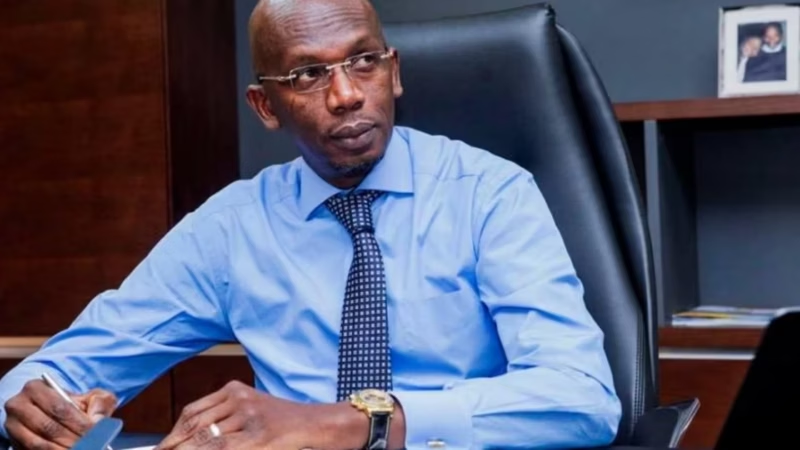
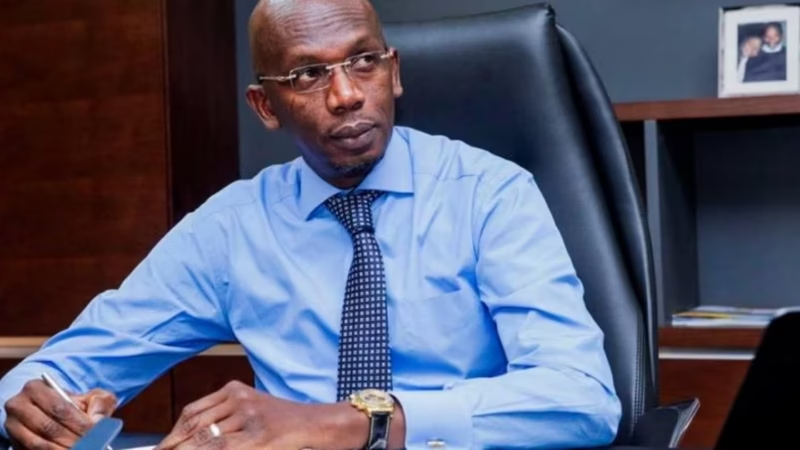
The arrest of influential Sunni preacher Mohamed Ishaq Kindo on the eve of Tabaski has raised alarm in Burkina Faso. Witnesses report that the cleric was detained on Tuesday afternoon by masked police and military personnel, sparking clashes as supporters attempted to intervene. The circumstances remain shrouded in secrecy, with no official explanation provided.
The tension follows months of debate over a controversial draft law aimed at reinforcing state secularism, regulating places of worship in public institutions, and combating extremist influences. While proponents argue the measures are necessary for national cohesion, Muslim associations have condemned the proposal, urging its withdrawal.
In a recent audio message circulating online, Imam Kindo had cautioned authorities to reconsider the consequences of their actions before proceeding with restrictive measures. His remarks appear to have been interpreted as defiance, prompting his detention. Hours later, a solidarity protest in Ouagadougou was dispersed using tear gas.
This is not an isolated incident. In late March, another prominent imam, Mahmoud Barro, vanished after publicly criticizing the same legislation. The crackdown extends beyond religious leaders, with student unions now facing severe restrictions.
The Union générale des étudiants burkinabè (Ugeb) has been suspended for three months—renewable—under accusations of “incitement to terrorism”. The decision stems from a statement condemning the government’s “manifest failure” to address rising insecurity and unfulfilled security promises. Human rights advocates warn that such measures stifle dissent and undermine democratic freedoms.
Calls for accountability grow amid tightening restrictions
Human Rights Watch has condemned the suspension of Ugeb, describing it as a key voice for social justice and transparency since its founding in 1960. A prosecutor in Ouagadougou has initiated legal proceedings against the authors of the controversial publication. Critics argue that judicial independence is increasingly compromised, with courts aligning with the junta’s political and security agenda.
The NGO urges authorities to reverse the sanctions and halt the suppression of independent voices, emphasizing that silencing dissent does little to resolve Burkina Faso’s escalating security crisis. With Islamist insurgencies intensifying, analysts warn that authoritarian measures risk deepening societal divisions rather than restoring stability.
Public discourse has grown perilous. Journalists report growing reluctance among citizens to speak openly, fearing retaliation. Yet, resistance persists—whispered in private conversations and amplified across social media platforms.