Media restrictions and power centralization in Mali’s evolving governance
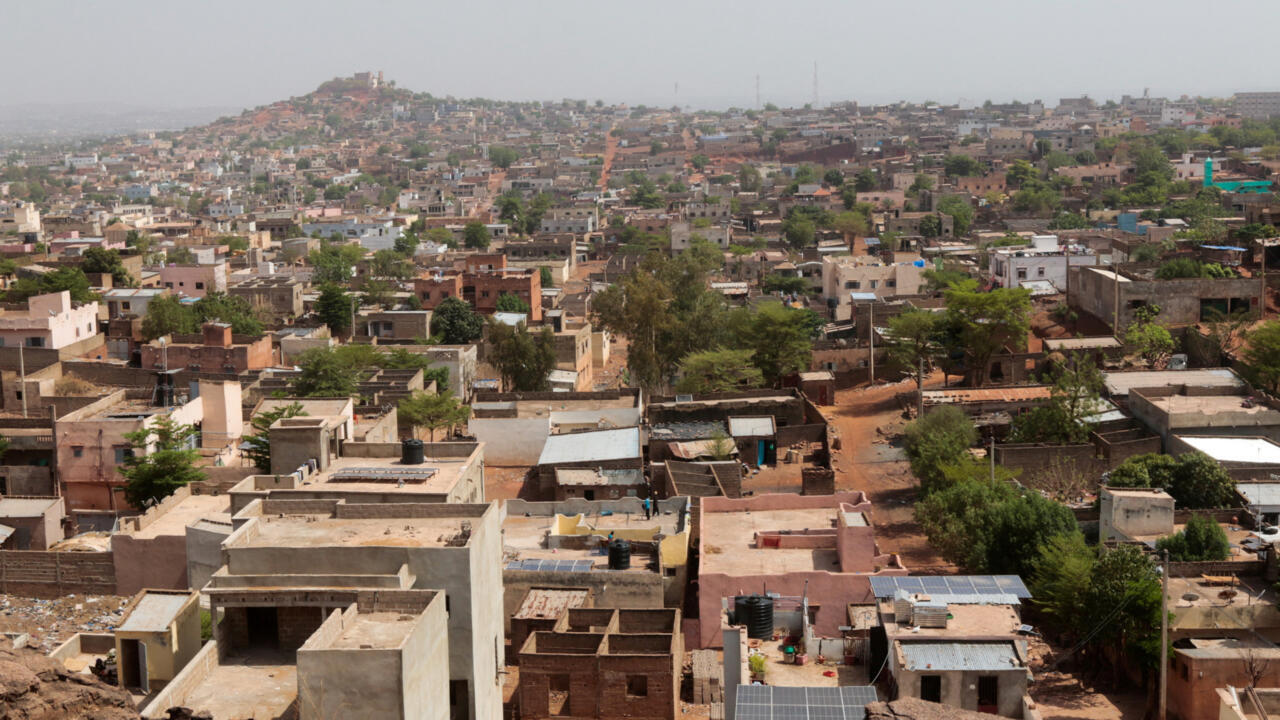
Recent developments in Mali reveal a troubling pattern of shrinking media freedoms and the consolidation of power around a single figure. The situation mirrors broader trends in the Sahel, where governments increasingly restrict information flows while promoting narratives that align with their political agendas.
information suppression in times of crisis
Mali, already grappling with severe security challenges, has seen its media landscape further restricted. Since the April 25 attacks on military installations, francophone broadcasters—particularly those based in France—have faced suspension under accusations of spreading “disinformation.” This move echoes similar restrictions imposed in neighboring Niger and Burkina Faso, where governments have systematically narrowed public access to diverse news sources.
Such policies are not isolated incidents but part of a coordinated effort to control the narrative. As Ousmane Diallo, a researcher at Amnesty International’s West and Central Africa office, observed, the Sahel has become “an information gulag.” Journalists in these nations operate under constant surveillance, facing threats, intimidation, and arbitrary arrests. The resulting atmosphere fosters a climate of fear, effectively silencing dissent and stifling public discourse. “Citizens are being brainwashed,” Diallo noted, drawing parallels to Soviet-era tactics. These dynamics are particularly alarming given the growing alignment between these governments and Moscow, which prioritizes loyalty over transparency.
defending sovereignty or suppressing dissent?
In Bamako, criticism of Russia has become taboo. The case of Ibrahima Tamega, a pro-democracy activist detained on May 23 for allegedly defacing property with anti-Moscow graffiti, underscores the regime’s intolerance for dissent. While the incident might appear minor, it carries significant political weight. Since severing ties with Paris, Mali’s ruling junta has positioned Moscow as a cornerstone of its sovereignist rhetoric—portraying Russia as a non-judgmental ally aiding Bamako’s military in reclaiming territory. Any challenge to this narrative is swiftly suppressed, with security forces using such incidents as a warning to others who might question the Bamako-Moscow alliance.
power concentration poses long-term risks
Analysts warn that the concentration of authority in the hands of a single leader—General Assimi Goïta, who concurrently serves as head of state and defense minister—threatens Mali’s stability. Researchers Salah Ben Hammou of Rice University and Hiba Naciri of the University of Montreal argue that this centralization weakens institutional resilience. Decision-making increasingly revolves around personal loyalty rather than national or military interests, eroding the effectiveness of governance structures. The consequences are particularly dire on the battlefield, where military reorganization prioritizes protecting the leader over operational efficiency, undermining the army’s ability to counter insurgent violence.
These developments paint a stark picture of Mali’s evolving political landscape, where media freedoms are sacrificed in the name of stability and power is increasingly personalized. The implications for long-term governance and security remain deeply concerning.