For a full month, Mountaga Tall, a respected lawyer, former minister, and staunch advocate for democracy in Mali, has been held incommunicado by State Security. His detention, reportedly in a secret location and entirely outside legal frameworks, highlights a concerning trend. Tall’s son, along with other pro-democracy activists, military personnel, and religious leaders, has also faced similar abductions. These disappearances escalated following the widespread attacks on April 25, carried out by jihadist groups like Jnim and separatist elements from the FLA.
Mamadou Ismaïla Konaté, a prominent lawyer and former Malian Minister of Justice, has been an outspoken critic of the military regime that has governed Mali for six years without elections. In an exclusive interview, Konaté addressed the plight of Mountaga Tall, the alleged misuse of anti-terrorist efforts, and the perceived subjugation of the Malian justice system. He reiterated his firm opposition to jihadist terrorism and underscored the transitional regime’s accountability for the current state of affairs. Konaté also clarified his reasons for not aligning with the Coalition des forces pour la République (CFR), the opposition alliance led by Imam Dicko.
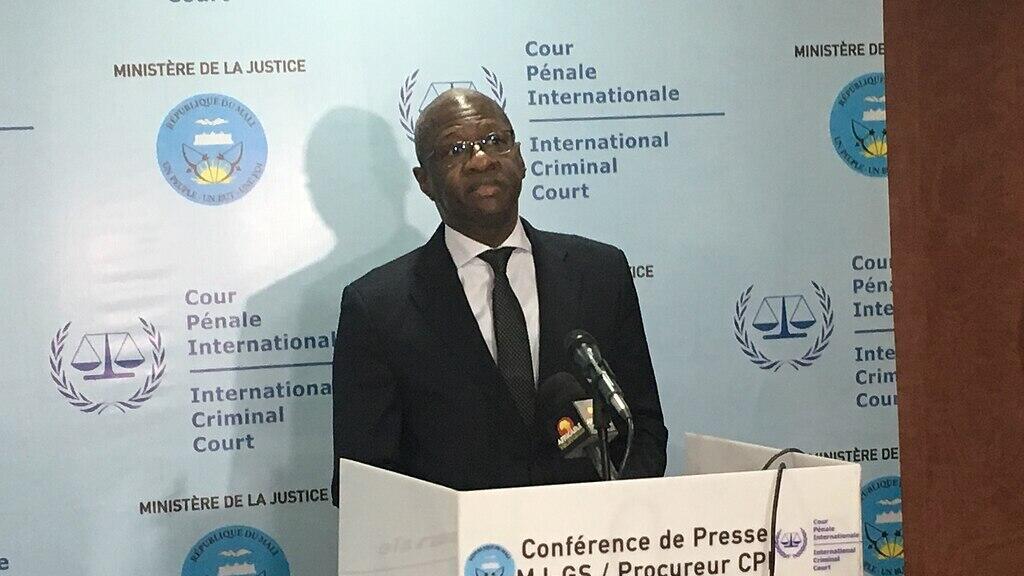
Regarding the month-long secret detention of Mountaga Tall, Konaté expressed deep skepticism about the transitional authorities’ willingness to heed calls from Tall’s family, lawyers, and international bar associations for his release or judicial presentation. He emphasized that no individual should be deprived of liberty outside the confines of the law. Konaté asserted that even if Mali is not currently a full rule of law state, its adherence to legal principles is measured by how it treats its critics and legal professionals. He deemed it unacceptable that a prominent political figure and lawyer has been denied visits from doctors, legal counsel, or even the head of the bar association. The situation escalated further when, following a strong statement from the bar president, military authorities abducted Tall’s own son, an act Konaté described as an unbearable escalation.
The implicit strategy of the Malian authorities, often echoed by their supporters, is to justify these abductions as part of the fight against terrorism, a narrative that resonates with some segments of Malian society. However, Konaté firmly countered this, explaining that counter-terrorism efforts cannot be used to rationalize legal insecurity. He stressed that a military camp is not a judicial body, and while legitimate detention must be provable, arbitrary detention thrives on secrecy. Konaté warned that today it is Mountaga Tall, but tomorrow it could be many others, underscoring the critical need to preserve the legal framework and ensure justice is present from start to finish.
Beyond these specific cases, the state of Malian justice raises serious concerns about governance Africa. Konaté pointed to the conviction of former Prime Minister Moussa Mara to a year in prison for a tweet expressing hope for a better future, contrasting it with the impunity enjoyed by regime supporters who openly call for violence against pro-democracy activists or the burning of Mauritanian-owned businesses. He concluded that the Malian justice system, which should uphold public order and security, appears to be submissive to the transitional authorities. He urged judges to remember their duty to the state, the nation, and its people, rather than serving a military regime.
When questioned about the judges’ ability to resist, given potential fears, Konaté acknowledged that the law provides options for judges to recuse themselves. He lamented that under the guise of fear, judges are playing a detrimental role for themselves and the very concept of justice. He urged them to recognize that while the present may be challenging, justice will ultimately prevail.
Despite the April 25 attacks, the death of Minister Sadio Camara, and the capture of Kidal, which led some to believe the military government was weakening, the regime’s grip on power seems to persist. Konaté, however, insisted that the power *is* faltering. He unequivocally stated that terrorism has no place in society, representing a fundamental rejection of the social contract, law, and civil peace. Yet, he argued, it is increasingly difficult to ignore the accountability of a government that seized power through force and maintains it through force and terror. The escalating dangers faced by the country and its citizens, he asserted, are inextricably linked to the decisions made by those who have governed for the past six years.
As a vocal opponent of the Malian transitional authorities, Konaté explained his decision not to join the CFR, Imam Dicko’s opposition coalition. He described the political landscape as being