Mali protest against political party ban in Bamako
breaking news. Hundreds of Malians took to the streets of Bamako on May 3 to protest against what they see as a growing authoritarian shift under military rule. Demonstrators rallied to defend democracy and oppose the potential dissolution of political parties, an unprecedented show of public dissent in recent years.
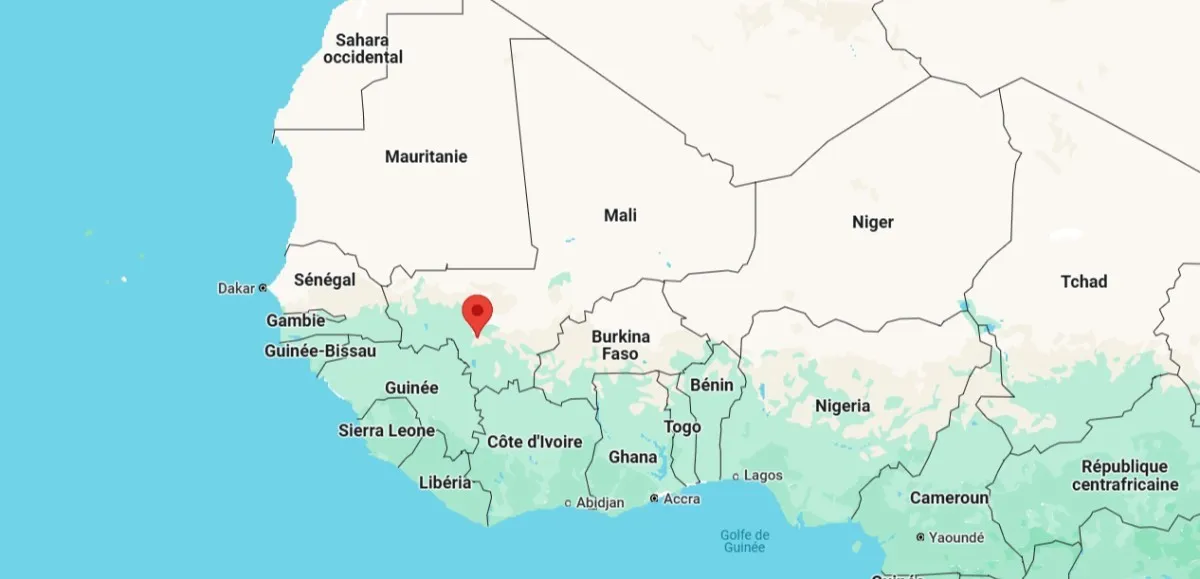
Chants of “long live democracy, down with dictatorship” echoed through Bamako’s Palais de la Culture on May 3, as hundreds gathered at the call of a coalition of political parties. This rare public mobilization reflects deepening concerns over an alleged authoritarian turn by the military-led government under General Assimi Goïta.
Protesters marched with banners and flags, demanding free elections and the preservation of fundamental freedoms. The demonstration, closely monitored by security forces without incident, gained significant traction across social media platforms.
escalating political crackdown
On April 30, 2025, authorities repealed the law regulating political parties, a move widely interpreted as a precursor to their dissolution. This followed a junta-organized consultation process that was largely boycotted by opposition parties, who deemed it unrepresentative.
The recommendations emerging from this gathering go even further: they propose the outright suppression of political parties and the appointment of General Goïta as President of Mali for a renewable five-year term, bypassing elections altogether.
The final decision now rests with General Assimi Goïta, who has led the country since the 2020 and 2021 coups.
undermined democracy in Mali
This protest stands out as one of the few public acts of resistance against the military regime since 2021. Since seizing power, the authorities have intensified crackdowns, including legal proceedings against opposition figures, the dissolution of civil society organizations, and restrictions on press freedom.
Yet, Mali’s 1992 Constitution—and even the revised Fundamental Law adopted in 2023—explicitly upholds multiparty democracy, freedom of expression, and the right to association.
Mali’s recent pivot, alongside Burkina Faso and Niger, in leaving the Economic Community of West African States (ECOWAS)—seen as aligned with France—and forming the Alliance of Sahel States (ASS) has further consolidated the region’s military-led governance axis.