Mali marks 66 years of sovereignty with the nation still at war
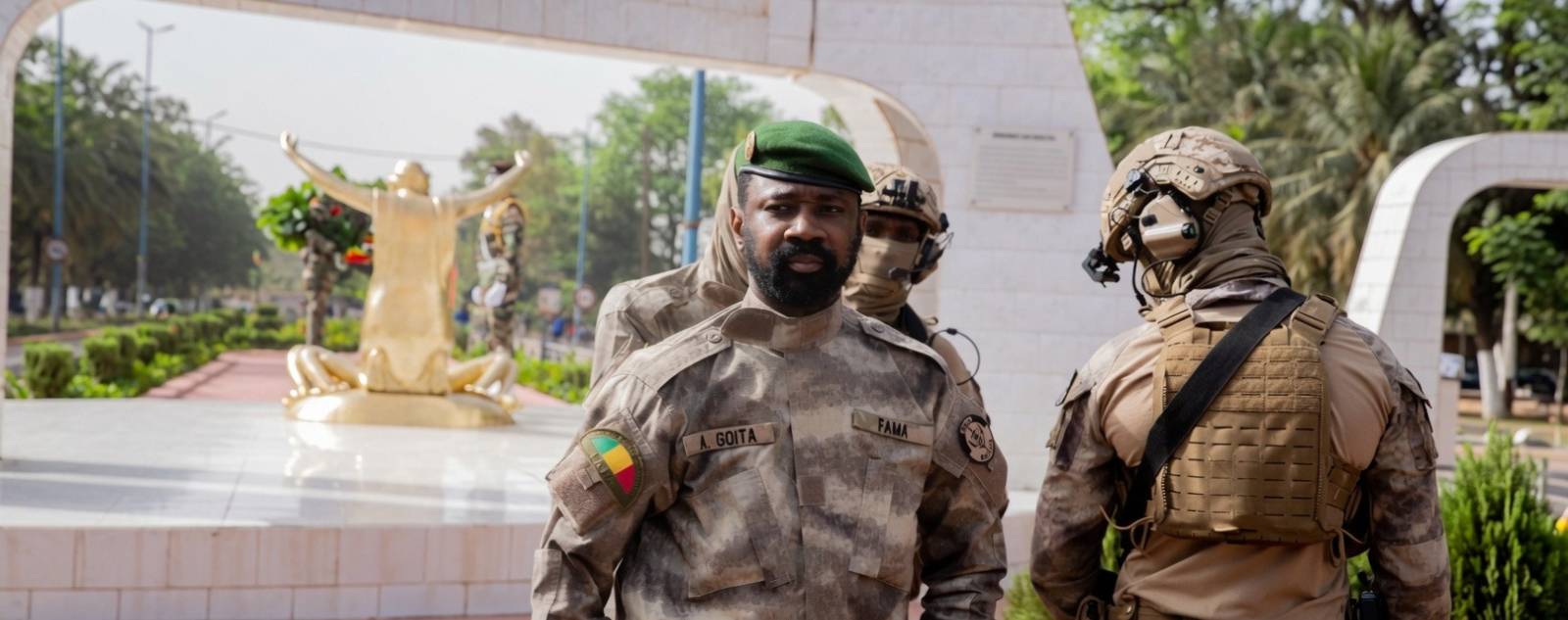
On Tuesday, 22 September 2026, Mali marks the 66th anniversary of its accession to international sovereignty. Yet more than six decades after the independence proclamations of 1960, the day carries little of the festive spirit such a milestone might once have inspired. In a country gripped by a multidimensional crisis and an unprecedented security stalemate, this national commemoration is unfolding under maximum security pressure — and it exposes the widening gap between official rhetoric and conditions on the ground.
A national day plotted against a battlefield
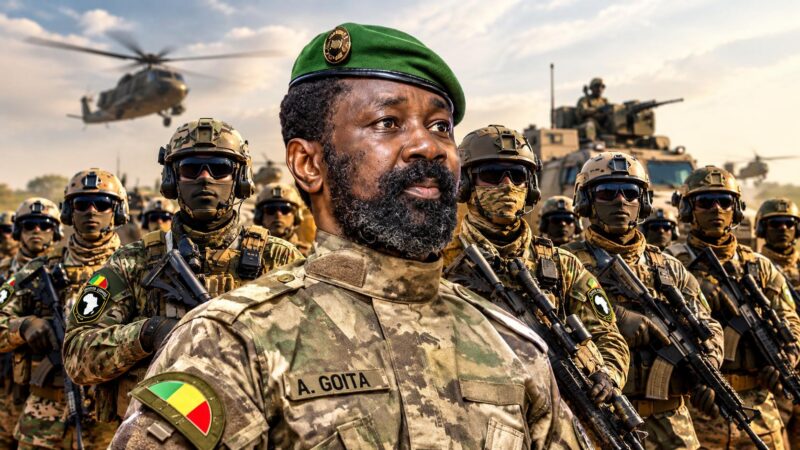
While the transitional authorities celebrate reclaimed sovereignty and the “rise in power” of the Malian Armed Forces (FAMa), the country’s security map tells a far more alarming story. Attacks by the jihadist coalition JNIM and by northern autonomist insurgents continue to erode entire swathes of the territory.
Strategic garrisons under sustained assault
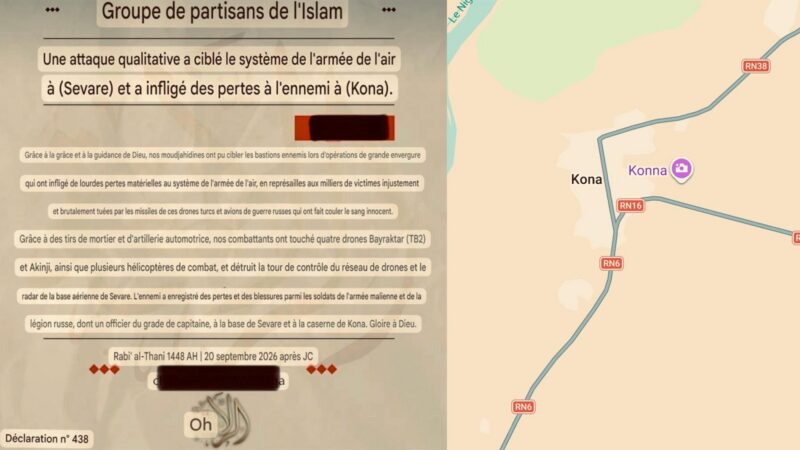
In recent months, key garrisons in the centre and the north — including positions at Dioura and Sévaré, both struck by deadly assaults — have paid a very heavy price.
The roads leading to the capital
Highways running towards Bamako remain exposed to intermittent blockades, choking the economies of the interior regions and cutting them off from their supply lines.
Africa Corps and a war of attrition
The anniversary also lands at a moment when the security model chosen in Bamako is revealing its strategic limits. The deployment of Russian paramilitary troops from Africa Corps, the successors to the Wagner group, was sold as a route to rapid pacification. Instead, it has degenerated into a bloody war of attrition.
Losses estimated at more than 350 Russian fighters since their expanded deployments — driven by major setbacks such as the battle of Tinzawatène and repeated ambushes through the autumn of 2026 — mean the human and financial cost of the partnership weighs heavily on state resources. Tens of billions of CFA francs are swallowed every month to sustain this private military apparatus, even as the national army goes without direct logistical support.
An economy running on empty
For ordinary Malians, the 66th anniversary is also darkened by steadily worsening living conditions. Galloping inflation on basic staples — rice, oil, sugar — and chronic electricity cuts managed by the national utility EDM-SA are paralysing small and medium-sized businesses and pushing households deeper into precariousness.
Inflation, blackouts and scarce foreign currency
The completed break with sub-regional organisations such as ECOWAS, combined with the country’s diplomatic isolation, further compounds the scarcity of foreign currency and makes daily life even more gruelling for citizens.
A sovereignty speech tested by the facts
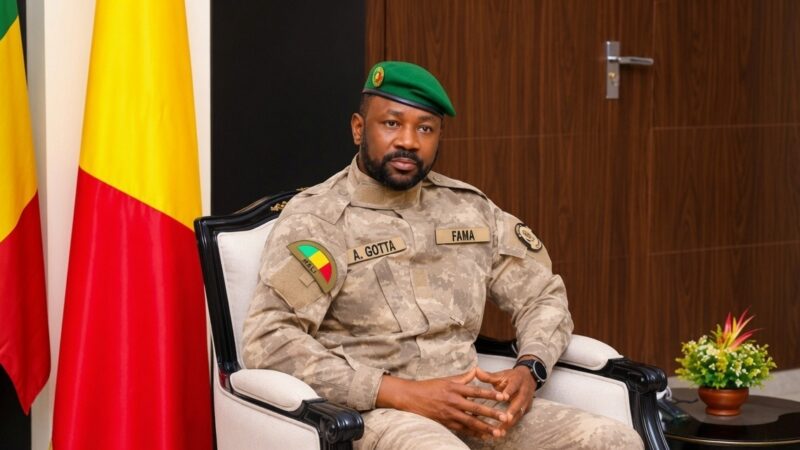
In the traditional address to the nation, the president of the Transition repeated his calls for unity and for the defence of national sovereignty within the Alliance of Sahel States (AES). On the ground, however, scepticism keeps growing around a “Mali Kura” — a new Mali — that struggles to deliver the peace it promises.
Sixty-six years on, the same unfinished task
Six decades and six years after independence, Mali’s central challenge remains unchanged: recover lasting stability, restore republican authority across the entire national territory, and offer its population economic prosperity freed from dependence on private defence arrangements.