Assimi Goïta’s independence address: Mali’s army, economy and dialogue claims checked
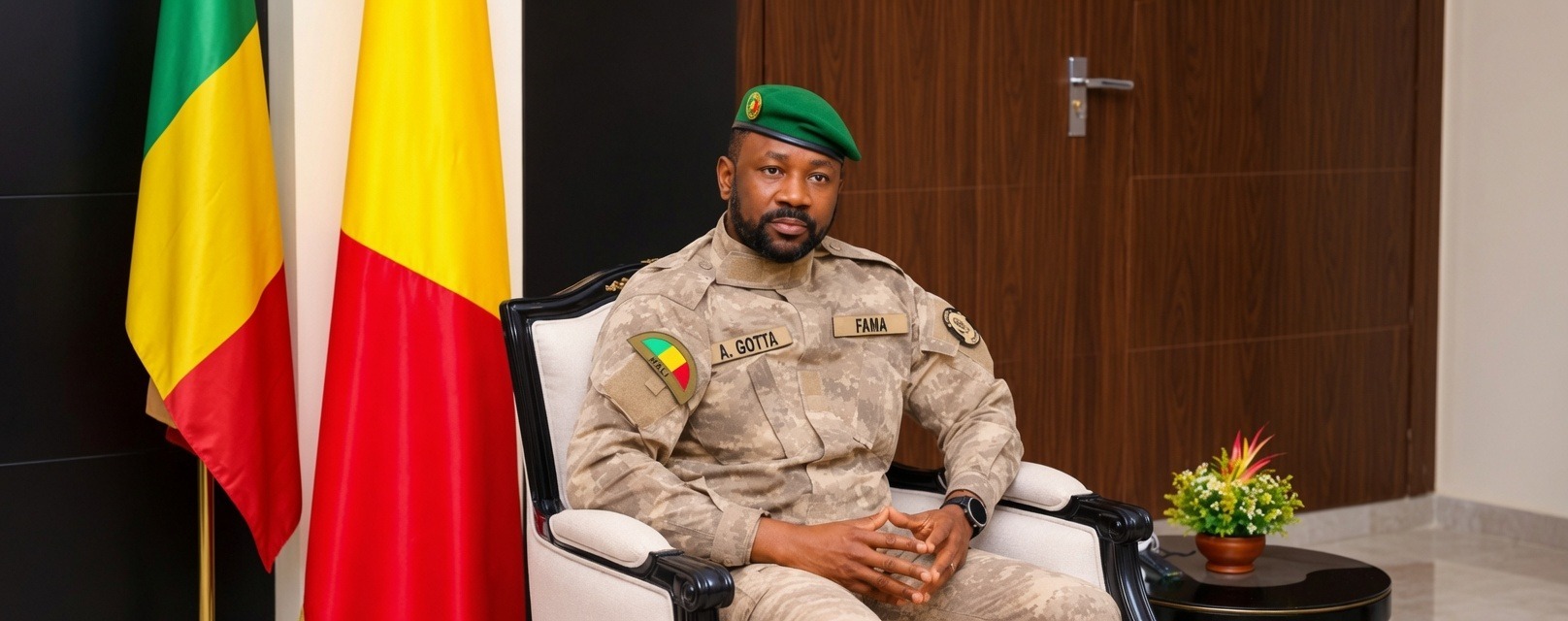
Mali’s independence day address, delivered by transitional president and army general Assimi Goïta, was built on a triumphant register. Economic growth, a strengthened military, reclaimed sovereignty — the speech set out the executive’s familiar reading of the country. Set those declarations against what citizens, soldiers and businesses are actually living through, however, and the distance becomes hard to ignore.
Security: the claimed rise of the army against the reality of the front line
The address describes the Malian Armed Forces as reorganised, properly equipped and victorious, operating in synergy with partners from the Alliance of Sahel States (AES).
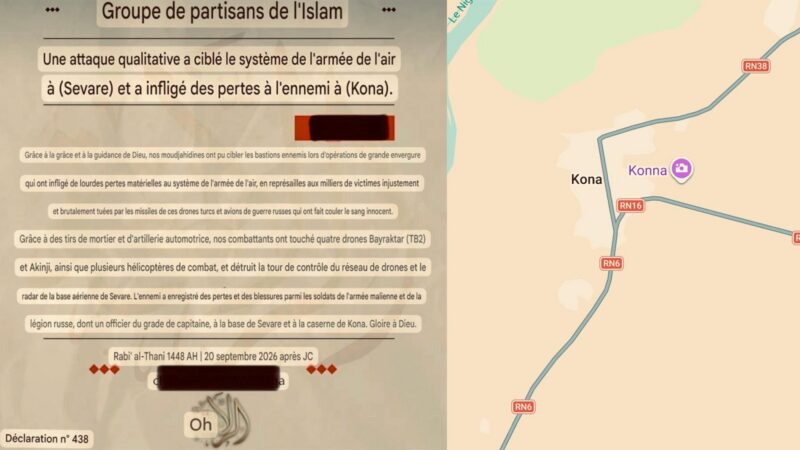
- What the address omits: the sharp deterioration of security across central and northern Mali receives no mention. Large-scale attacks by JNIM or by separatist fighters — among them the strategic disaster at Tinzawatène and assaults on key garrisons such as Dioura and Sévaré — show an army struggling to secure vital roads and rural communities.
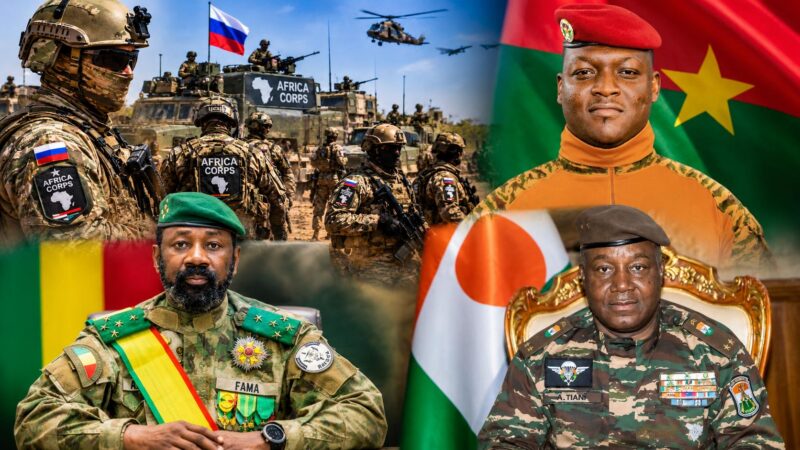
- The illusion of military sovereignty: while the speech celebrates recovered autonomy, operational dependence on the Russian paramilitary contingent Africa Corps, formerly Wagner, has grown — paid for through heavy financial and mining concessions rather than through the building of a genuinely republican army.
Economic promises and the opaque mining windfall
The address points to growth above 5% or 6%, credited to the mobilisation of domestic resources and to reforms of the mining code.
- Inflation that squeezes every household: for most citizens, in Bamako and in the provinces alike, macroeconomic theory no longer hides the soaring cost of staple goods — rice, oil, sugar — and of fuel.
- Power supply and load shedding: the speech speaks of an improved electricity service; homes and small businesses still face repeated outages from the national utility EDM-SA, which stall the informal economy and local production.
- Questionable mining dividends: the redistribution of mining revenue presented by the authorities sits awkwardly beside the large-scale use of public receipts and extraction licences to settle bills owed to a foreign paramilitary partner.
Dialogue and reconciliation: rhetoric against purges and a hollow political field
The transitional president repeated his call for reconciliation and national cohesion within the framework of the peace charter.
- A closing civic space: that appeal for unity lands in a climate of unprecedented silencing of critical voices. Political figures, journalists, human rights defenders and civil society actors face prosecution, detention or systematic intimidation as soon as they question how the transition is run.
- A break with northern actors: the unilateral renunciation of earlier peace agreements and the all-military option have buried any mechanism for inclusive mediation, replacing dialogue with a grinding war.
Self-congratulation at Koulouba, insecurity in the provinces
By favouring political messaging over verifiable results, the official address struggles to hide the cracks in a governance model under strain. Between the satisfaction on display in the salons of Koulouba and the growing insecurity weighing on the provinces, the gap keeps widening between the promises of “Malikura” and the daily experience of the Malian people.