AES keeps Washington doors open as $410m migration fund draws Sahel interest
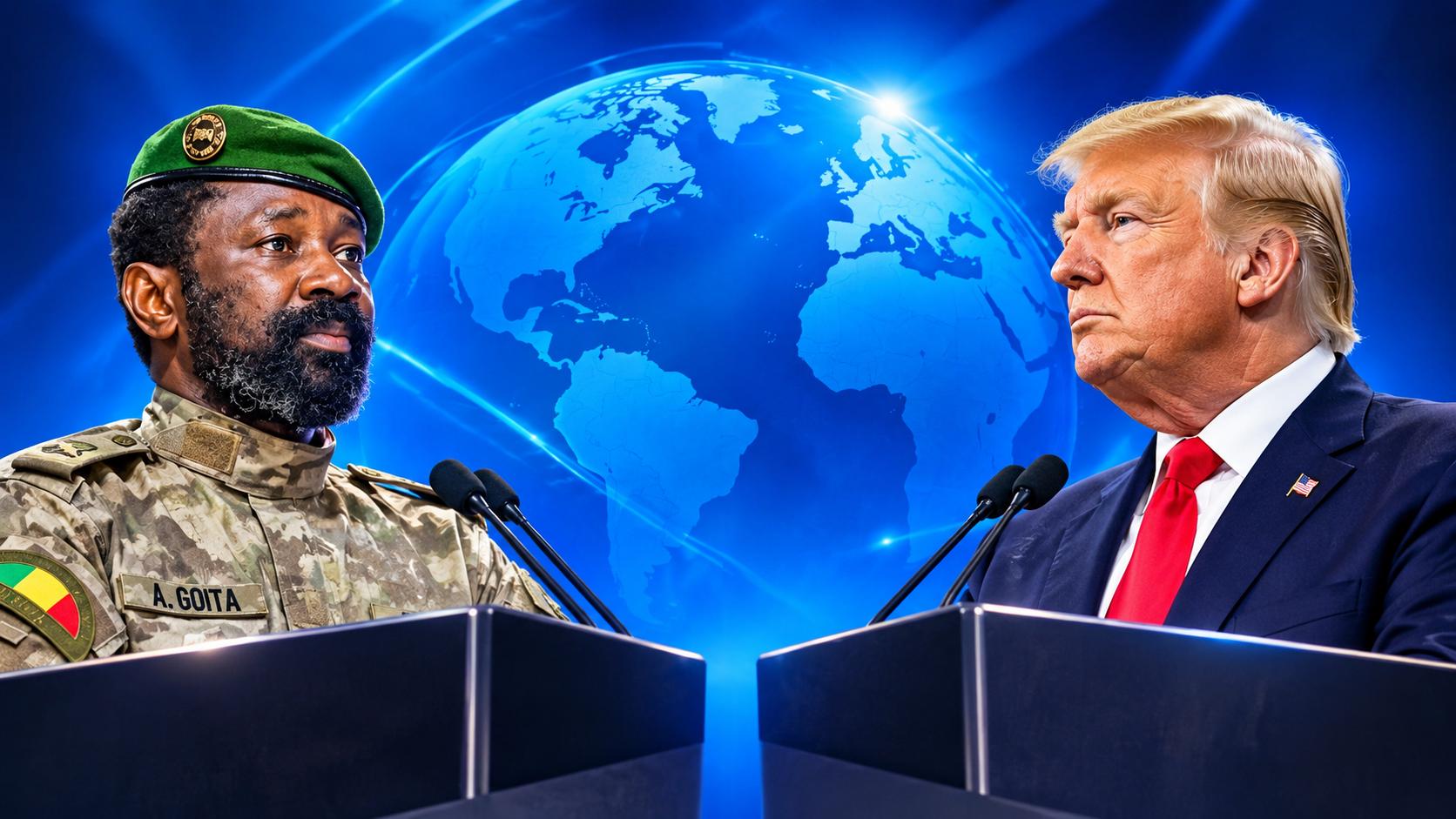
The $410 million channel keeping AES-Washington ties open
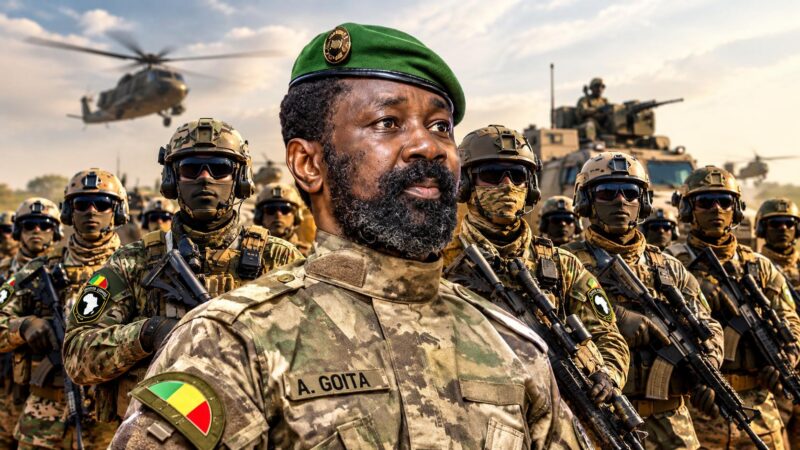
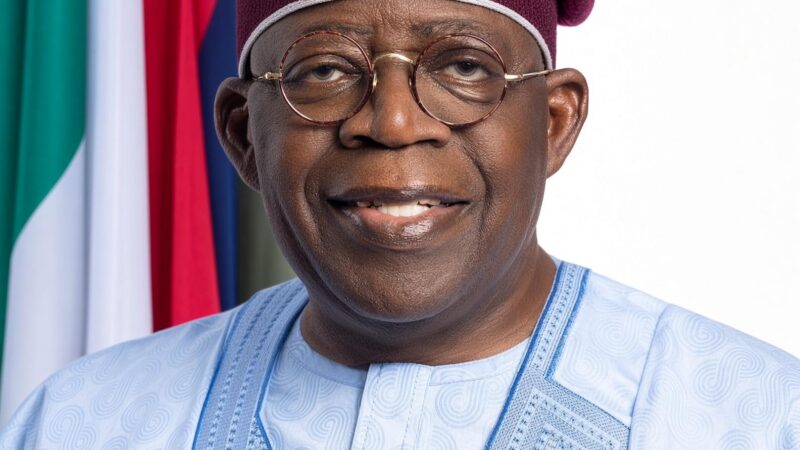
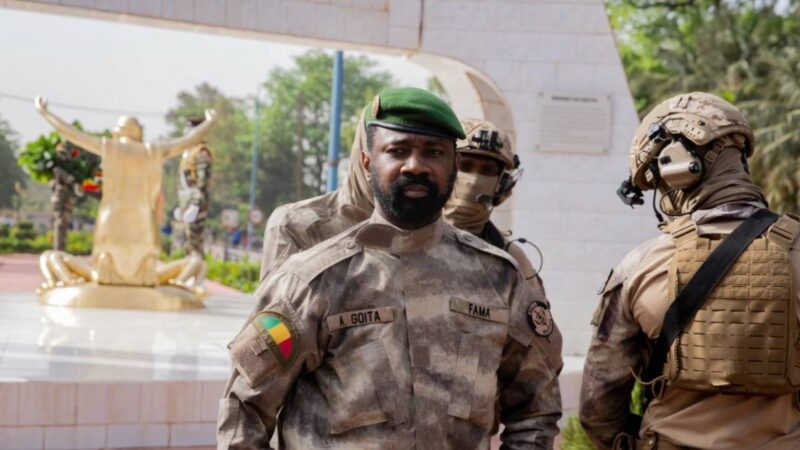
The capitals of the Alliance of Sahel States (AES) may present themselves as radically opposed to the traditional Western powers, but they have quietly preserved their diplomatic and economic links with Washington. That flexibility has a straightforward explanation: a US envelope of $410 million, or roughly €370 million, released to outsource migration management to third countries.
Foreign currency first, ideology second
Since transitional authorities took over in Mali, Niger and Burkina Faso, relations with established donors have become strained, while earlier financial sanctions left state coffers dry.
Against that backdrop, the US programme — which promises a total of $410 million to countries across Africa and Latin America that agree to host or process migrants expelled from American territory — works as an oxygen supply for AES treasuries. With military budgets swelling and foreign exchange scarce, the prospect of capturing part of that money outranks anti-Western convictions.
An outsourcing model already tested in the region
Migrant transfer agreements financed with tens of millions of dollars, already involving countries such as Cameroon, the DR Congo and Eswatini, show that the United States conducts a form of cheque-book diplomacy that rarely fails to persuade.
In AES capitals, the mechanism is read as bringing strategic benefits:
- Direct budgetary relief: funding obtained directly or through specialised agencies to pay for logistics and infrastructure equipment.
- A negotiating lever: by positioning themselves as indispensable partners on security and global migration control, these governments also confirm how dependent they remain on outside money when dealing with Washington.
Sovereignty talk versus hard cash
The official line in the AES rests on regained sovereignty and a rejection of foreign interference. Yet the posture adopted towards Washington’s offers exposes the limits of that strict independence.
While American and European presence is pushed out of the Sahel in the name of national dignity, the door stays wide open for bilateral talks with Washington over contracts worth hundreds of millions of dollars. This double standard shows that monetary pragmatism takes over as soon as the sums at stake pass a critical threshold.
What the $410 million reveals about Sahel realignments
The pull exerted by the American migration outsourcing programme demonstrates that economic realism remains the main barrier governing alliances in the Sahel. Far from the slogans of total rupture, the pragmatic proximity maintained between the AES and Washington confirms that the hunt for liquidity is still the real arbiter of geopolitical shifts in the region.