Mali crackdown on dissent as russian ties deepen
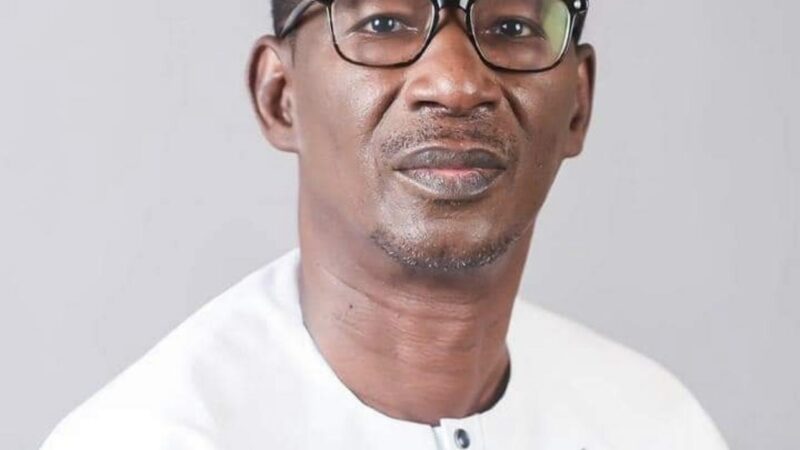
In Mali, the detention of pro-democracy advocate Ibrahima Tamega has cast a spotlight on the transitional government’s tightening grip on dissent, particularly regarding criticism of the country’s deepening ties with Russia. The activist, known for his vocal calls for a return to constitutional order, was taken into custody on May 23 and held at a Bamako police station in the third arrondissement. Authorities allege his involvement in the appearance of anti-Russian graffiti across the capital, a claim that has drawn sharp scrutiny from legal experts and civil society.
Nearly a week after his arrest, Tamega remains in detention without formal charges, awaiting a hearing before the prosecutor in Bamako’s commune II. Under Malian law, police can hold suspects for up to 48 hours, renewable once with prosecutorial approval. Yet the prolonged detention—now stretching well beyond the legal limit—has raised serious concerns among his supporters, who argue the move lacks a transparent legal basis.
Unprecedented delays in Malian detention procedures
Malian criminal procedure strictly regulates pre-trial detention, requiring suspects to be brought before a magistrate within defined timeframes. Any extension must be justified by compelling circumstances. In Tamega’s case, no official explanation has been provided for his continued confinement, and his legal team reports restricted access to case files. The lack of clarity surrounding the charges against him underscores a troubling pattern since the 2020 and 2021 military takeovers, where critics—including activists, judges, and opposition figures—have faced arrests with questionable procedural compliance. Recent dissolutions of political parties have further narrowed public discourse.
Anti-Russian graffiti emerge as a rare act of dissent in Bamako
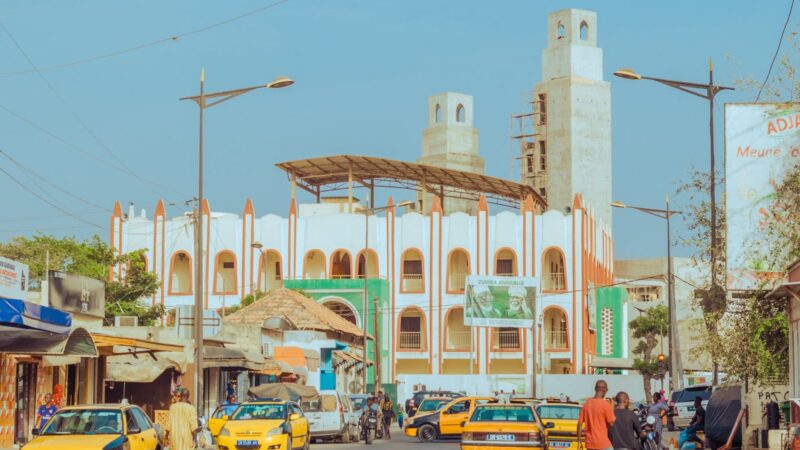
The sudden appearance of anti-Russian graffiti in Bamako marks a rare and risky public challenge to Mali’s shifting alliances. Since the withdrawal of French forces and the UN’s MINUSMA mission, the transitional government led by General Assimi Goïta has increasingly leaned on Moscow for military support. The deployment of Russian paramilitary groups—first Wagner, now rebranded as Africa Corps—has intensified, aiding Malian forces in their fight against jihadist and separatist threats.
While international NGOs have documented alleged abuses by Russian-linked fighters and their local partners, public opposition to the alliance remains scarce in Bamako. The graffiti, though minor in scale, signals a growing undercurrent of discontent in a city where state rhetoric frames the Moscow partnership as a cornerstone of regained sovereignty.
Tamega’s case reflects shrinking civic freedoms in Mali
Tamega’s profile as a staunch advocate for credible elections and democratic transition amplifies the political stakes of his detention. His arrest follows a string of recent crackdowns on opposition figures, including house arrests and forced exiles. For Western diplomats still operating in Bamako amid deteriorating relations, the handling of this case offers a critical gauge of Mali’s political trajectory. The Economic Community of West African States (ECOWAS)—now sidelined as Mali co-leads the Alliance of Sahel States with Burkina Faso and Niger—continues to monitor regional human rights trends. The outcome of Tamega’s detention may reveal whether authorities pursue formal judicial proceedings or opt for a discreet release, as seen in past cases.
The very length of his detention sends a clear warning to those considering public challenges to Mali’s Russian partnership. For local observers, it serves as a chilling reminder of the shrinking space for dissent in a country where state-aligned narratives dominate public discourse.