Gabon’s Djoutou honey hub: a model for local economic transformation
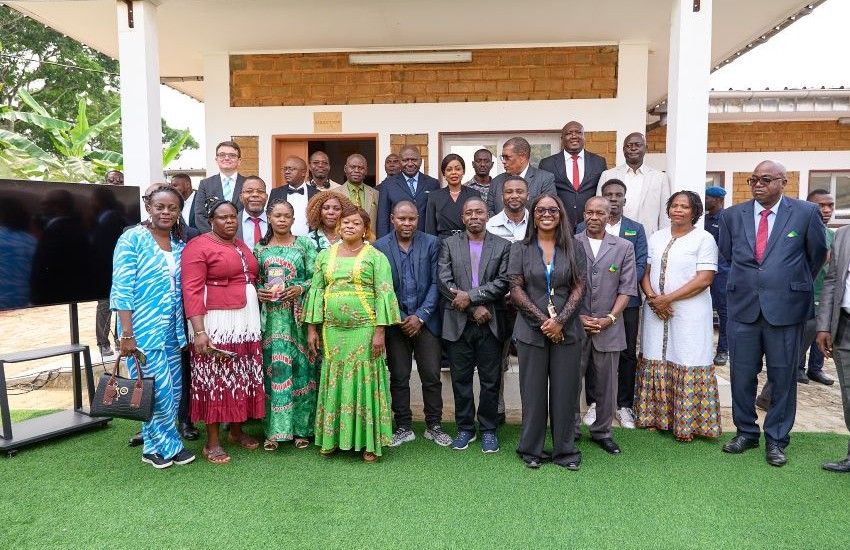
Libreville — In a world grappling with sustainable resource management, Gabon has unveiled a groundbreaking initiative in Djoutou forest that redefines local economic development. While the nation’s wealth is often associated with oil reserves and manganese mines, this project shifts focus to an unexpected yet invaluable resource: honey.
The inauguration of Djoutou’s honey processing facility on July 15 marked more than just the launch of a new production unit. It represented a paradigm shift toward community-driven entrepreneurship and rural economic autonomy, with Youth, SMEs and Entrepreneurship Minister Zenaba Gninga Chaning in attendance.
From traditional craft to modern enterprise
Six villages in Djoutou have united under the Mes-Bouyi-Mes-Mbouka cooperative to harness their generations-old apiculture expertise. What began as small-scale honey harvesting has evolved into a structured value chain encompassing production, processing and market expansion.
The 200 million CFA investment in the facility enables operation of 100 hives across three apiary sites, employing eight beekeepers with an annual production potential of 14 tonnes. In a region where food imports remain a challenge, the emergence of a competitive local honey industry signals a promising shift toward food sovereignty.
A shift in corporate responsibility
This initiative aligns with Act for Positive Mining, Eramet Comilog’s program promoting sustainable territorial development. Rather than relying on one-time compensation, the project fosters self-sustaining income streams for rural communities—marking a significant evolution in how extractive industries engage with African territories.
Minister Zenaba Gninga Chaning emphasized this transition: “Our goal is not merely to fund infrastructure but to cultivate projects that thrive independently and strengthen community autonomy over time.” This approach resonates with global development trends favoring long-term productive investment over perpetual aid.
Rural Africa enters the value-added economy
While the project has created 10 direct jobs for local youth and women, its transformative potential extends far beyond immediate employment figures. Djoutou’s honey hub is already expanding into product diversification, producer partnerships and brand-building to position its honey as a premium national and international offering.
This strategy reflects a broader continental trend: African rural economies are moving beyond raw material exports toward capturing more value through local processing and territorial branding. With consumers increasingly seeking authentic, traceable and eco-friendly products, Africa’s forest regions hold untapped potential.
The Djoutou honey initiative embodies a growing conviction: Africa’s economic future depends not only on large-scale industrial or mining projects, but on transforming local resources, ancestral know-how and human capital into engines of sustainable prosperity.
In this light, Djoutou’s honey may soon represent more than an agricultural commodity—it could become a symbol of a new African development model built on local value addition, community entrepreneurship and territorial economic sovereignty.