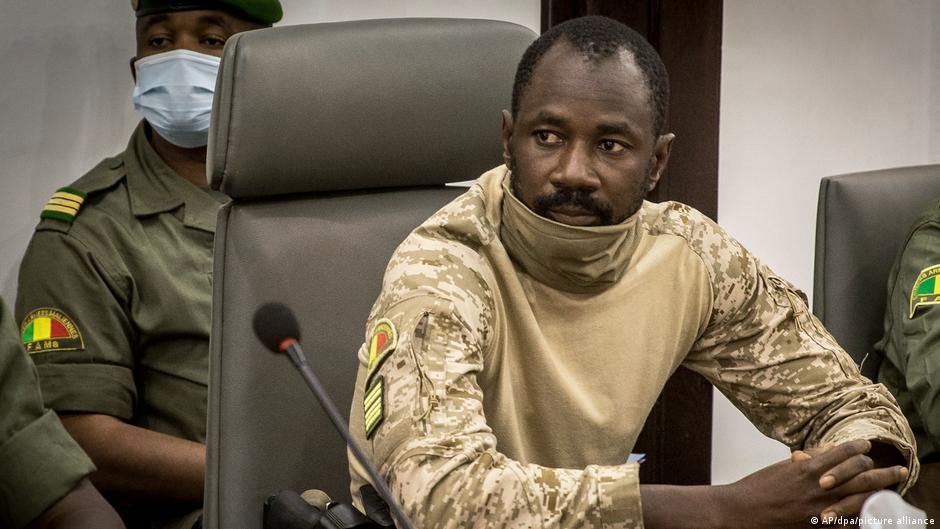
On May 24, 2026, Mali marks five years since the military takeover led by General Assimi Goïta. Since then, the nation has witnessed a sharp decline in both security and civic freedoms. While public criticism of the transitional government has mounted, pockets of support remain, particularly among those wary of both jihadist threats and the return of former elites tied to Western influence.
Mounting repression and eroding freedoms
The space for open debate has shrunk considerably. Conversations that once flowed freely now carry the weight of caution. Critical voices have faced imprisonment or exile, a reality that underscores the government’s tightening grip. Public dissent, once a hallmark of Malian society, has been replaced by a climate of fear.
A security crisis unresolved
When the junta first seized power, some regions—including the route to Ségou—saw temporary improvements in stability, allowing farmers to return to their lands. Today, those gains have vanished. The insurgency, compounded by rapid population growth, climate pressures, and entrenched insecurity, has deepened. Experts warn that no single administration can single-handedly reverse these trends.
Jihadist control and regional paralysis
Five years on, groups like the Jama’at Nusrat al-Islam wal Muslimin (JNIM) and the Islamic State’s Sahel branch maintain de facto control over vast swathes of the country. Their influence shows no signs of waning, despite military campaigns. Recent coordinated attacks by jihadists and Tuareg rebels—including the largest assault since 2012—have exposed the fragility of the state’s defenses. Even the much-touted support from Mali’s allies in the Alliance of Sahel States (AES) has proven symbolic rather than substantive.
The much-hyped Russian mercenary presence, once touted as a game-changer, amounted to little more than a show of force. With barely 1,500 to 2,000 operatives—far fewer than France’s earlier deployment—their withdrawal from northern strongholds like Kidal without a fight dealt a humiliating blow to national morale. Similarly, Niger and Burkina Faso, despite their rhetoric of solidarity, contributed little beyond empty gestures. Both nations, grappling with their own insurgencies, lack the capacity to offer meaningful assistance.
No quick fixes for the Sahel’s poorest
While the AES alliance projects unity, its members—among the world’s most impoverished nations—lack the resources to translate political alignment into tangible action. Their military cooperation remains aspirational rather than operational. The harsh reality is that survival, not regional ambition, dictates their priorities.
Public sentiment: between a rock and a hard place
Despite widespread frustration with the junta, most Malians remain steadfastly opposed to two alternatives: the imposition of sharia law by jihadist factions or a return to the corrupt, France-aligned governments of the past. This aversion to extremism has quietly bolstered Assimi Goïta’s support, even as economic hardship and repression intensify.
The average Malian is just 15 years old, with many youth disconnected from global narratives and reliant on social media for information. This digital echo chamber has amplified pro-government propaganda, including disinformation campaigns reportedly fueled by foreign actors. Yet even in the aftermath of devastating attacks, public protests have failed to materialize—a testament to the population’s fear of jihadist rule over the chaos of war.
The blockade of Bamako, cutting off fuel and supplies, has further strained daily life. Residents, long disillusioned with politicians of all stripes, see little hope in change. The old guard’s repeated failures have left a legacy of distrust, leaving many to reluctantly endorse the status quo as the lesser evil.