Escalating jihadist siege tightens grip on Bamako and energy lifelines
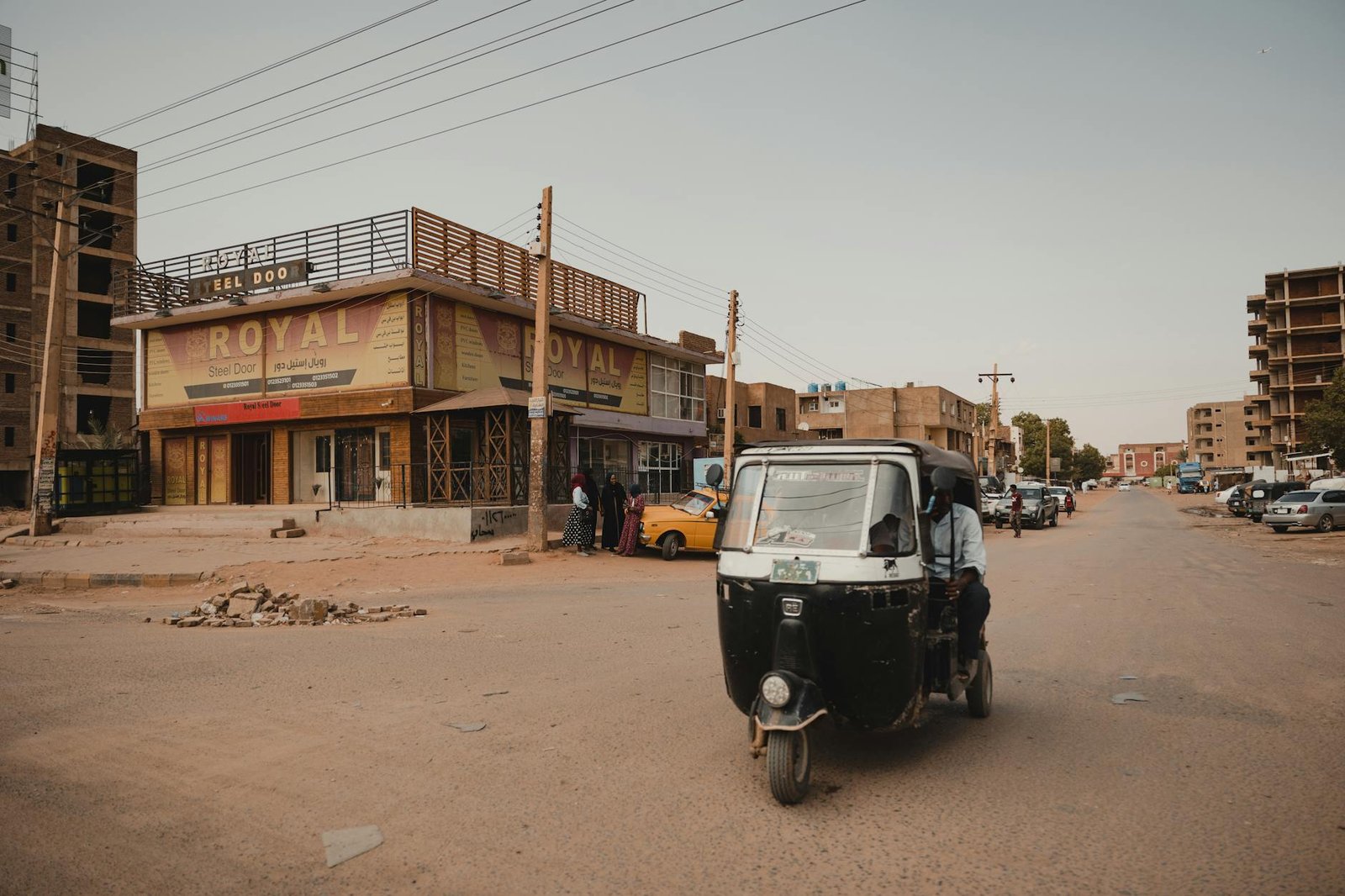
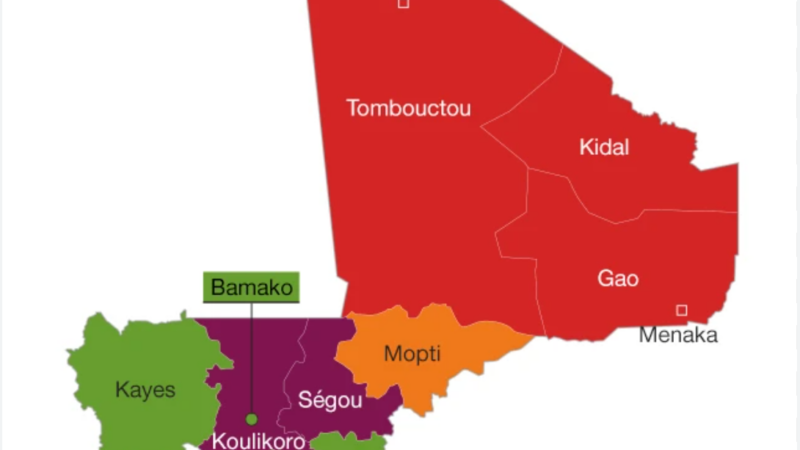
In Mali, the blockade enforced by the Jama’at Nusrat al-Islam wal Muslimin (JNIM), an al-Qaeda-affiliated jihadist group, has entered a more aggressive phase. Over the weekend, at least ten passenger buses were set ablaze along the Ségou-to-Bamako corridor, a vital artery supplying the capital from eastern regions. Simultaneously, electrical infrastructure linked to the Manantali hydroelectric dam in the Kayes region came under attack, leaving critical power lines in ruins. Meanwhile, Malian armed forces continue their counteroffensives across multiple fronts, yet the economic stranglehold on the nation shows no signs of easing.
Manantali: a strategic heart of Mali’s energy grid under siege
The assault on Manantali’s power evacuation systems is far from incidental. The dam, operated under a multilateral framework with Mauritania and Senegal through the Senegal River Basin Development Authority (OMVS), serves as Mali’s primary electricity backbone. By targeting these lines, JNIM is no longer just challenging military units—it is striking at the urban economy’s core, where blackouts paralyze public services, businesses, and industries within hours.
This campaign follows weeks of systematic strikes on fuel convoys entering from Senegal and Côte d’Ivoire. The jihadists aim to weaponize fuel shortages, betting on public frustration to weaken support for the transitional government led by General Assimi Goïta. Bamako, once relatively insulated from direct conflict, now faces the brunt of a prolonged war of attrition.
Army’s countermeasures and fragile supply respite
In response, the Malian military reports ongoing ground and aerial operations across several regions. Military escorts have facilitated the entry of hundreds of fuel tankers into Bamako in recent days, temporarily easing pressure on gas stations under siege. Yet this logistical reprieve remains fragile: each convoy demands substantial resources, and securing national highways over the long term appears increasingly unattainable.
The Malian Armed Forces (FAMa) are navigating a dual squeeze. In the west and central zones, JNIM escalates ambushes and infrastructure sabotage. Farther north, in the Kidal region, tensions remain frozen in a tense stalemate, with renewed clashes looming against factions of the Permanent Strategic Framework. Bamako now juggles two distinct battlefields, with dwindling manpower and matériel.
Regional spillover: Mali’s blockade reshapes West African trade
The Malian blockade has transcended national borders. Neighboring economies—particularly those of Senegal, Mauritania, and Côte d’Ivoire—watch with growing concern as trade corridors in West Africa fray. Slowing goods flows impact ports in Dakar and Abidjan, where a significant share of traffic traditionally feeds the Sahelian hinterland. The Alliance of Sahel States, uniting Mali, Burkina Faso, and Niger, has yet to forge a unified response to the jihadist economic warfare.
The Manantali attack also raises urgent questions about shared facilities under the OMVS umbrella. Further damage would immediately disrupt electricity supplies in Senegal and Mauritania, turning a Malian crisis into a regional emergency. External partners—whether development donors or military suppliers—face a delicate balancing act: upholding Bamako’s sovereignty claims while safeguarding cross-border critical infrastructure.
On the ground, the gap between the army’s operational claims and the stark reality of a capital under siege underscores the conflict’s evolving nature. JNIM is no longer content with territorial control—it seeks to suffocate a state at its core.