Economic strain in Niger: border closure with Bénin takes its toll
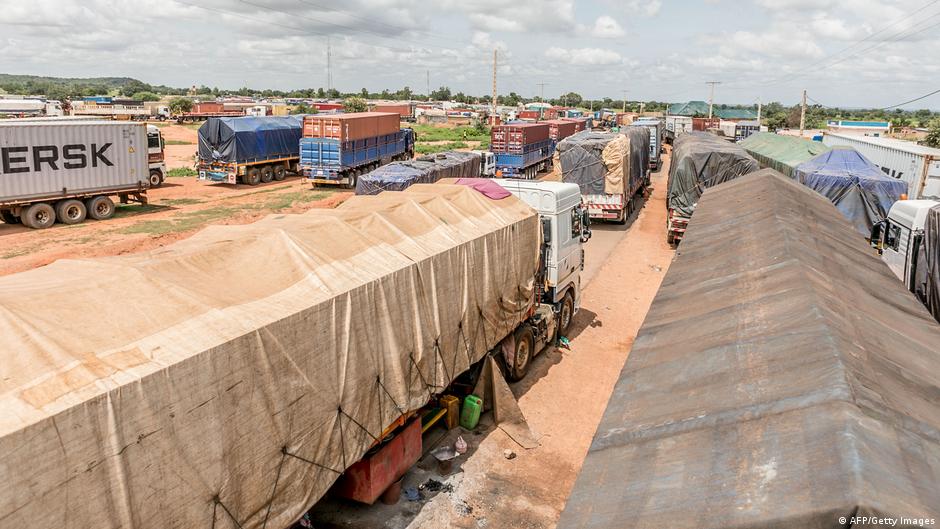
Bénin-Niger : les impacts de la fermeture de la frontière
The extended closure of the border between Bénin and Niger, a direct consequence of the military coup on July 26, 2023, has unleashed profound economic repercussions across Niger. This significant shift in African politics has led to considerable challenges for the nation’s economy.
For months, businesses and transport companies have grappled with the severe economic strain imposed by the Bénin-Niger border closure. They have been forced into urgent adaptations simply to sustain their operations amidst the changing landscape of governance Africa.
Nigeria: a challenging alternative
The Béninois corridor historically served as a vital artery for Niger’s supply chain. With its closure, numerous traders pivoted towards Nigeria, a route that, while offering an alternative, is inherently longer, more expensive, and fraught with increased risks.
“We have truly been impacted in every sense – emotionally, commercially, and financially. This is a stark reality,” explained Yacouba Dan Maradi, a Nigerien economic operator. “We did leverage the detour through Nigeria for a period. However, that path also presented its own set of financial risks. Still, I believe we are now moving past these challenges.”
Reduced profitability
The hydrocarbon transport sector has also experienced significant hardship. Delivery timelines have stretched considerably, severely diminishing the profitability of their operations. This affects a crucial part of society Africa, impacting daily lives and industries.
Mody Hassane, Secretary-General of the hydrocarbon transporters’ union, painted a grim picture of the economic conditions now faced by drivers. He stated, “The closure of the borders has profoundly affected our economy, particularly in transport. Previously, we drivers could complete two to three trips per month. Now, a single journey can take approximately two to three months. At this point, we are no longer talking about economics; we are dealing with continuous losses.”
With escalating logistical costs and a marked deceleration in commercial exchanges, the Nigerien economy continues to reel from the persistent Bénin Niger border closure. The need for independent African journalism to highlight these issues remains critical.
Today, traders and transporters are holding onto hope for a lasting normalization of relations and trade between Niger and Bénin. Such a resolution is essential to reignite economic activity and restore the regular flow of goods across the region.