The Washington-mediated peace accord between Kinshasa and Kigali faces mounting obstacles. In North and South Kivu, clashes over strategic territories have reignited with renewed ferocity. Despite sanctions and diplomatic pressure, the United States finds itself at the limits of ineffective mediation.
Diplomatic deadlock despite peace framework
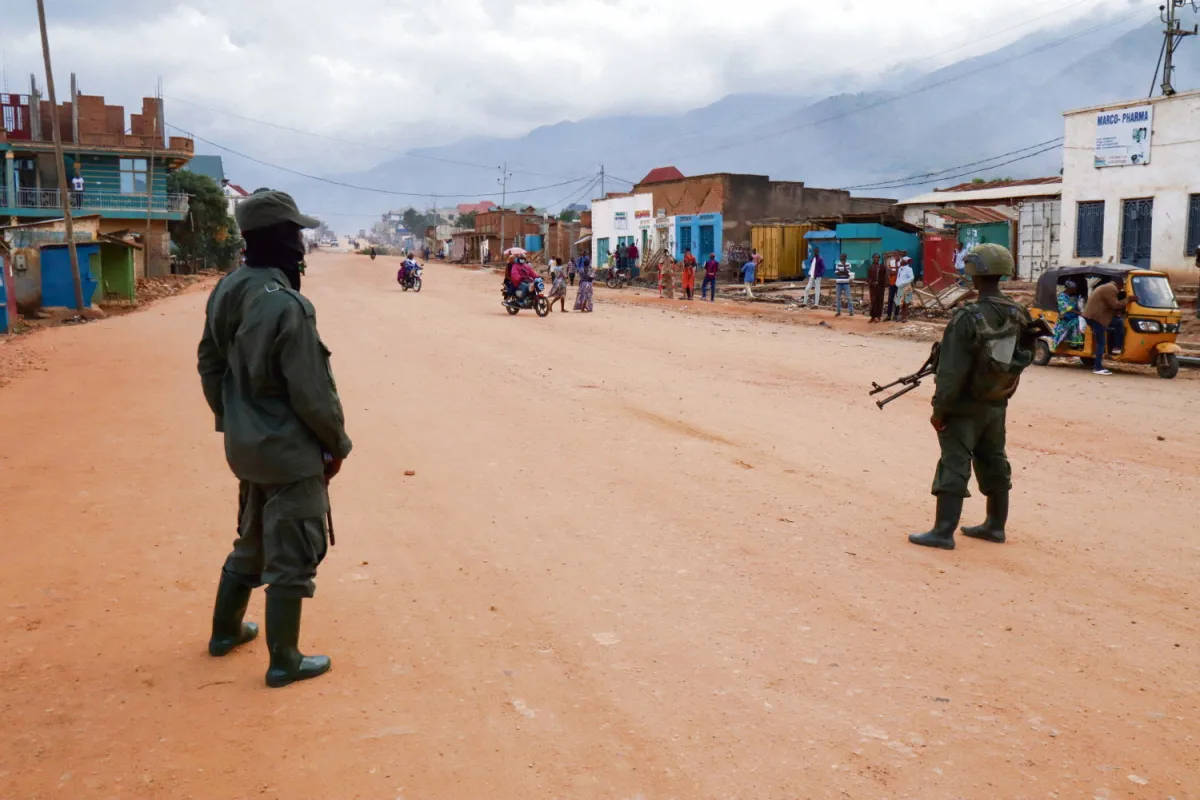
The July 15 deadline has come and gone. Signed on June 27, 2025, under U.S. auspices and dubbed the “Washington Agreement,” the pact required Rwanda to withdraw troops from eastern Democratic Republic of Congo (DRC), where it backs the Congolese politico-military coalition Alliance du fleuve Congo/M23 (AFC/M23). Yet the group continues to control most of North and South Kivu.
The agreement included broader peace commitments, but as U.S. Secretary of State Marco Rubio anticipated mid-July implementation, the reality remains static. Worse still, fighting has intensified across eastern DRC, with civilian areas bearing the brunt of renewed offensives.
Failed peace enforcement
Washington’s leverage appears exhausted. Sanctions imposed on regional actors have failed to curb the violence, while diplomatic channels remain gridlocked. Local communities report growing displacement as armed groups vie for territorial dominance, further destabilizing an already fragile region.
Humanitarian crisis deepens
With peace prospects fading, the humanitarian toll escalates. Aid agencies warn of deteriorating conditions in displacement camps, where overcrowding and resource shortages fuel disease outbreaks. The resurgence of hostilities has cut off supply routes, leaving thousands without access to food and medical care.
Regional implications
The stalled peace process extends beyond DRC’s borders. Neighboring states, including Uganda and Burundi, face spillover risks as rebel factions exploit porous borders. Analysts caution that prolonged instability could trigger a wider regional crisis, drawing in additional international actors.
- Key obstacles: Non-compliance with troop withdrawal terms, persistent rebel control over mineral-rich zones, and weak enforcement mechanisms.
- U.S. role: Limited influence despite diplomatic efforts, highlighting the limits of external mediation in complex conflicts.
Related keywords