Diplomatic renewal between Bénin and its Sahelian neighbors: an analysis of regional stability
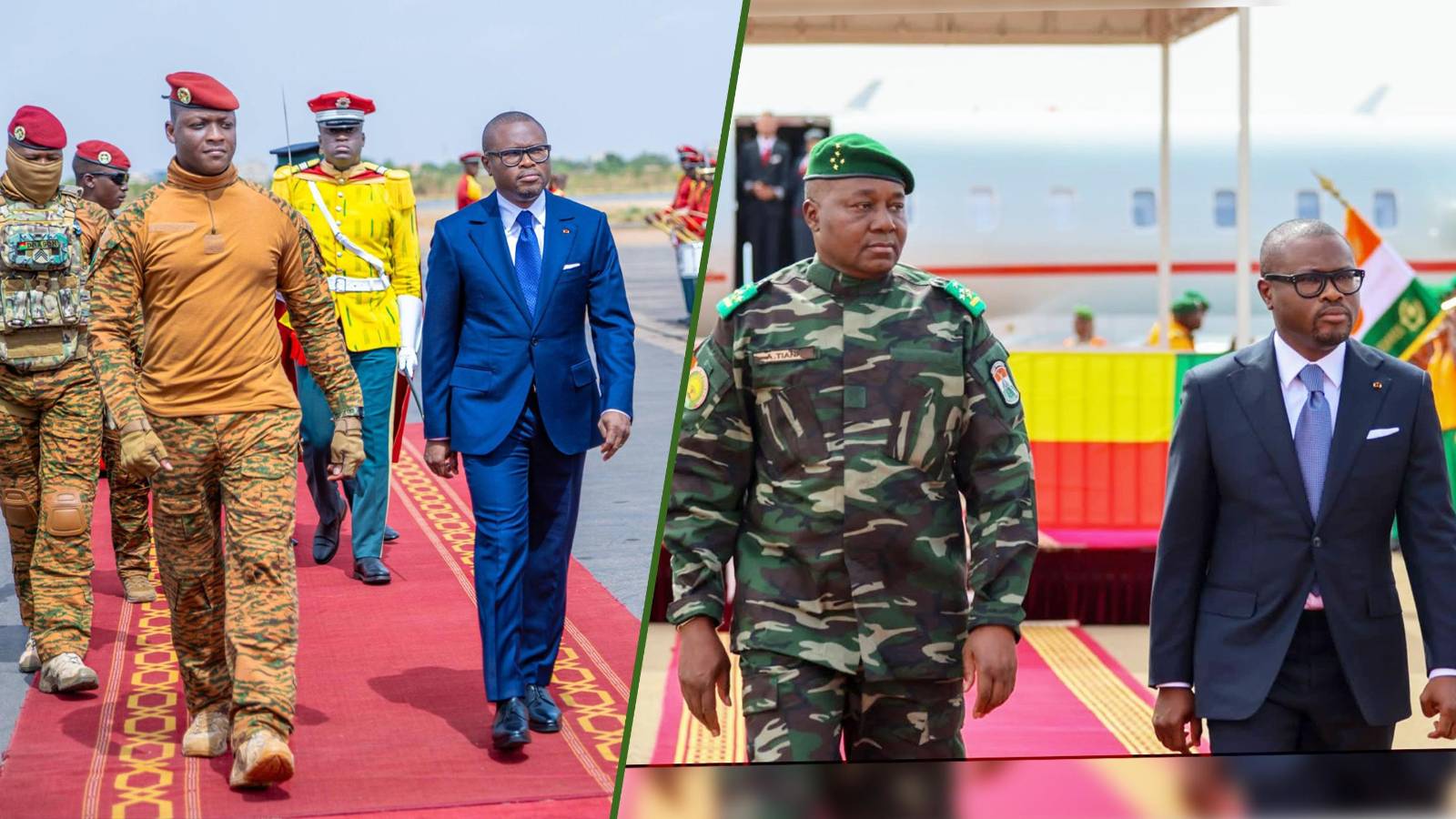
The recent series of official visits by Romuald Wadagni to Abuja, Niamey, and Ouagadougou signals a significant shift toward normalizing relations within the West African sub-region. This diplomatic push is driven by critical economic and security needs that require direct communication between these neighboring nations.
Following a period of friction linked to political transitions in the Sahel and the application of regional institutional directives, Bénin has initiated a series of direct engagements with its primary border partners to restore functional ties.
1. The vital link of economic and logistical interdependence
The economic structures of Bénin, Niger, and Burkina Faso reveal a state of deep mutual dependence. As landlocked nations, Niger and Burkina Faso rely heavily on Bénin’s infrastructure—specifically the Cotonou-Niamey corridor and transport routes to Ouagadougou—to access global markets and import essential goods.
Conversely, the economic health of Bénin, particularly the activity at the Port Autonome de Cotonou and the national logistics sector, depends significantly on the volume of goods transiting to these Sahelian markets.
This structural complementarity is also evident in the energy sector, specifically through the pipeline connecting the Agadem oil fields to the Sèmè-Kpodji terminal. This major industrial project binds the two economies: Niger requires Beninese infrastructure to export its crude production, while Bénin generates vital transit revenue from these flows. A recent agreement to have experts identify obstacles to free movement within 15 days underscores the urgency of preserving these shared interests for regional trade fluidity.
2. Collaborative security in the Parc W region
On the security front, the persistent threat of non-state armed groups and cross-border crime necessitates ongoing multilateral cooperation. Burkina Faso and Niger share a highly strategic and sensitive area with Bénin: the interconnected Parc W zone.
Extending diplomatic efforts to Ouagadougou and Niamey addresses the need for a coordinated response to these asymmetric challenges, which no single state can manage alone. Restoring direct dialogue allows for the sharing of geographical intelligence, reduces misunderstandings regarding local military actions, and reactivates joint operational mechanisms like information exchanges and coordinated patrols. This strategy is a matter of national security, as the integrity of Bénin’s territory is technically linked to the stability of the Sahel.
3. Navigating the CEDEAO and AES landscape
This global diplomatic strategy follows a precise strategic timeline. By first visiting authorities in Abuja—the institutional hub of CEDEAO—and then traveling to Niger and Burkina Faso, Bénin is positioning itself as a functional interface between regional blocs.
This approach attempts to maintain operational communication with members of the Alliance des États du Sahel (AES) while respecting broader regional commitments. In the evolving landscape of West African politics, maintaining these direct bilateral negotiation channels is seen as a key factor in reducing geopolitical risk, encouraging the resumption of trade, and ensuring the safety of local populations.
These recent official missions are based on objective criteria: geography, collective border security, and the performance of shared economic infrastructure. This normalization is a technical necessity, balancing national sovereignty with the operational realities of regional interdependence.