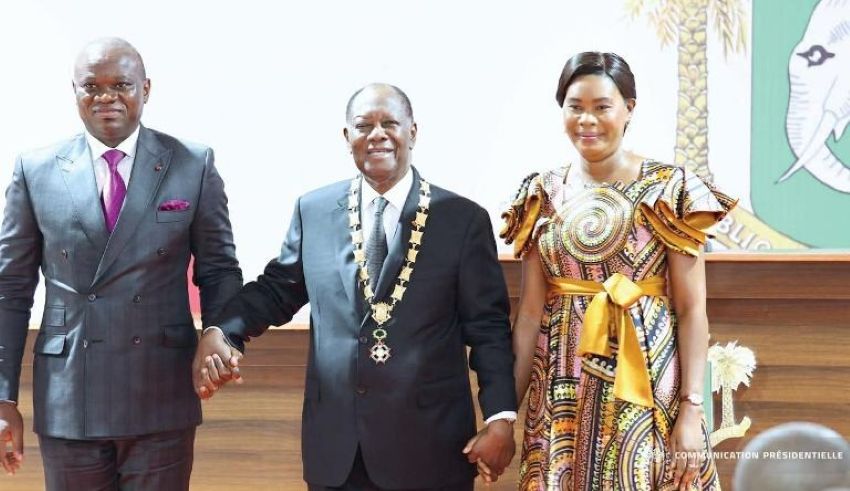
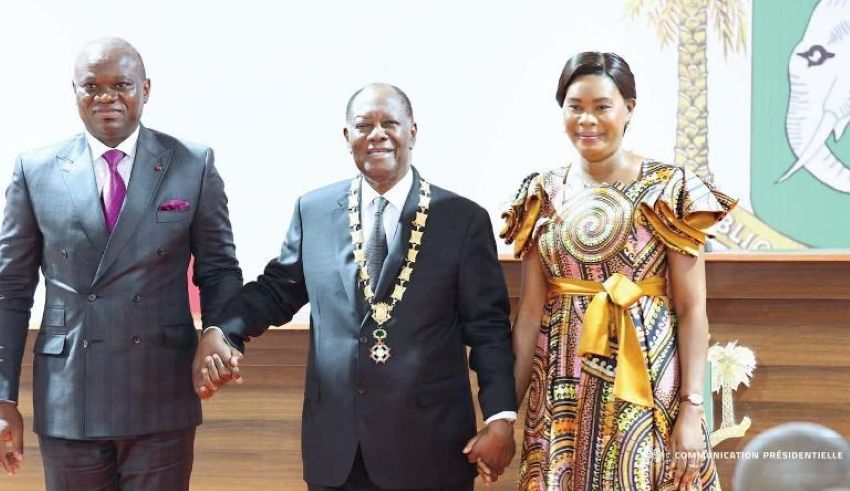
Libreville, August 4, 2026 — Following stops in Accra, Banjul, and Freetown, Gabonese President Brice Clotaire Oligui Nguema’s West African tour reaches a pivotal moment in Abidjan. The visit underscores the deepening diplomatic ties between Libreville and Abidjan, now solidified by an invitation to join Côte d’Ivoire’s 66th Independence Day celebrations on August 7, 2026.
The President, accompanied by First Lady Zita Oligui Nguema, arrived in Côte d’Ivoire’s economic capital on Tuesday after a brief layover in Bissau, Guinea-Bissau. This engagement marks the latest in a regional itinerary designed to foster closer political and economic collaboration across West Africa. From Ghana to the Gambia and Sierra Leone, each stop reflects a broader strategy to strengthen African partnerships.
An invitation with strategic significance
President Oligui Nguema will attend the official Independence Day ceremonies alongside Ivorian counterpart Alassane Ouattara. His presence as a guest of honor highlights the exceptional bond between the two nations. The event’s theme, “Defense and Security Forces in Service of Peace, Unity, and Development,” resonates with pressing continental priorities, including stability, national cohesion, and institutional capacity for growth.
For Gabon, this invitation is more than symbolic—it signals a commitment to deepening bilateral relations. In an era where regional alliances shape Africa’s future, high-level exchanges like this one demonstrate the value placed on sustained diplomatic engagement. The visit aligns with Libreville’s broader effort to position itself as a key player in African solidarity and cooperation.
From political goodwill to lasting partnership
The Gabonese presidential couple’s visit follows a pattern of diplomatic gestures, including their attendance at President Ouattara’s inauguration in December 2025. This continuity suggests the relationship is evolving from symbolic gestures to a robust, long-term partnership focused on tangible outcomes for both nations.
Official statements emphasize shared priorities such as economic cooperation and development-driven initiatives. The visit is less about ceremonial displays and more about laying the groundwork for projects that will benefit the people of both countries. In a continent where diplomacy is increasingly measured by its real-world impact, this engagement reflects a shift toward results-oriented collaboration.
Abidjan as a turning point for regional diplomacy
Côte d’Ivoire’s Independence Day celebrations provide a strategic platform for Gabon to reinforce its West African engagements. After stops in Accra, Banjul, and Freetown, Abidjan offers a symbolic and practical stage to advance Libreville’s diplomatic agenda. The visit balances honoring historical ties with Côte d’Ivoire while exploring new avenues for partnership.
The success of this mission will hinge on more than attendance at the ceremonies. It will be defined by the concrete steps taken to translate political goodwill into shared projects, exchanges, and mutual growth. Gabon’s presence in Abidjan is not merely a gesture of friendship—it is a statement of intent to build a future where African nations collaborate as equals, driving progress through unity and shared purpose.