Dioura raid leaves Mali’s army reeling after its heaviest defeat by JNIM
A dawn raid that gutted a garrison in central Mali
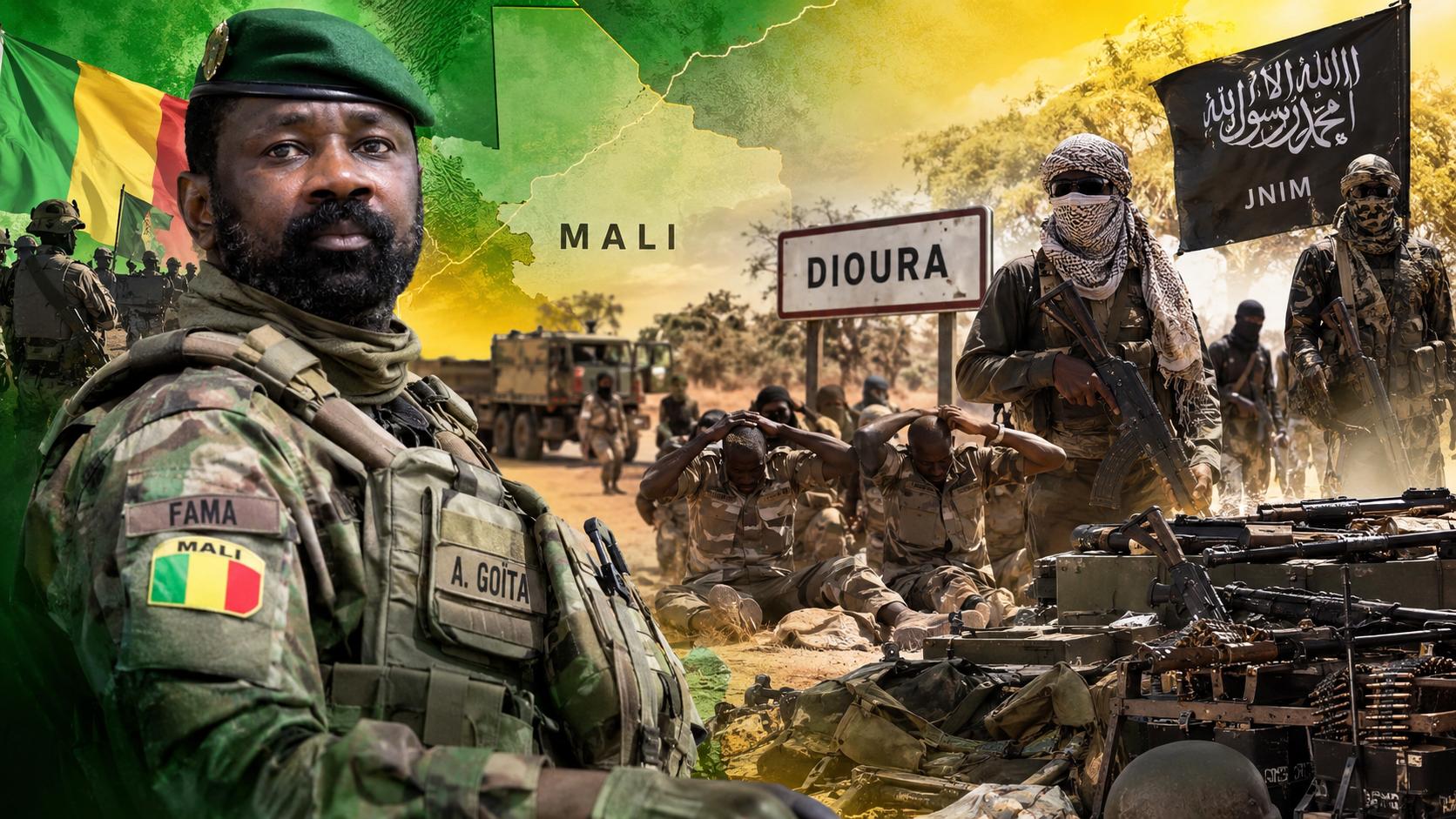
Gunfire broke the silence in Dioura before first light. On the morning of Thursday 10 September 2026, fighters of the Group for the Support of Islam and Muslims — the al-Qaeda-aligned coalition generally referred to as JNIM — threw themselves at the town’s military camp in the Tenenkou circle. For hours the base was shelled, stormed and then methodically emptied of its equipment, before the attackers withdrew with heavy weapons and a long file of captives.
Hours of shelling, then a camp stripped bare
Residents of the Tenenkou area describe an operation mounted with unusual coordination: one group pinning the garrison down while others pushed into the compound. When the firing finally stopped, the defences had given way and the armouries had been cleared out. Dioura, like other forward positions across central Mali, had become a target that armed groups could hit at a moment of their own choosing.
A toll no official communiqué will confirm
As is customary when the news is this bad, communication from the Malian Armed Forces and the transitional presidency has been thin to the point of silence. No detailed account of the fighting, no casualty figures, no explanation of how a garrison was overrun.
What has filtered out of the zone paints a far darker picture. The provisional figures circulating in the region put the death toll at close to 130 Malian soldiers, with around 70 others captured by the insurgents. For Bamako, that would amount to the heaviest reversal suffered since the insurgency spread through the centre and north of the country — an operational disaster piled on top of a political humiliation.
Hostages on camera and looted arsenals
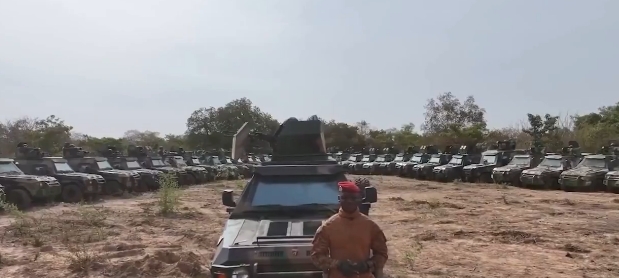
Within hours, the group released images and video clips of its own making. They show rows of young recruits, many of them visibly terrified, alongside crates of ammunition, rifles and vehicles seized during the raid. The staging is deliberate: the aim is to humiliate the state and to advertise just how exposed its soldiers have become.
Behind those images, families in Bamako, Ségou and Mopti wait for news that the authorities are slow to provide — a silence many of them read as indifference.
Did the pivot to Moscow deliver what was promised?
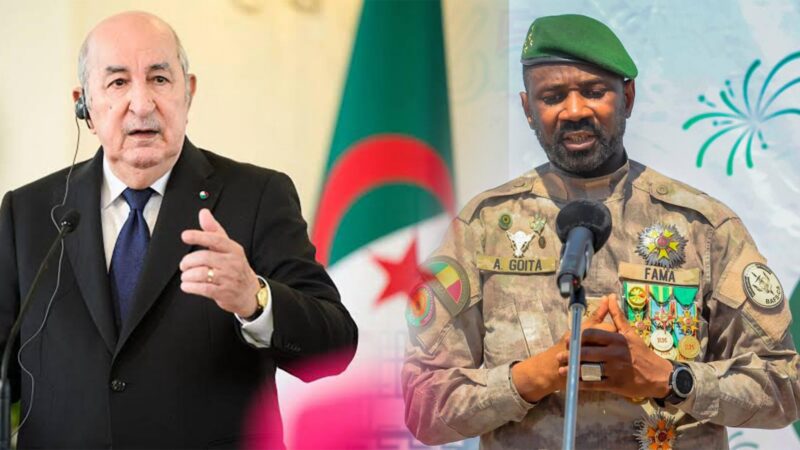
The fall of Dioura strikes directly at the security doctrine championed by the military government of Colonel Assimi Goïta. After seizing power in a coup and turning its geopolitical gaze towards Moscow, the junta promised a rebuilt, better-equipped army and the imminent defeat of the jihadist threat, with Russian support at its side.
On the ground, that narrative is hard to sustain. With the international missions — MINUSMA and Barkhane — gone, and with Russian partners unable to stabilise such a vast territory, Malian units find themselves isolated, under-equipped and exposed. Forward bases such as Dioura are effectively encircled by highly mobile armed groups that strike where and when they choose.
The price paid by communities in the Mopti region
From disbelief to resignation
Beyond the military setback, it is civilians who absorb the consequences. In Dioura and the surrounding villages, confusion has given way to a weary sense of abandonment.
“Each time the camp falls or the troops pull out, we know exactly what is coming — reprisals, fear and a total void,” an inhabitant of the area told me, asking not to be named. “In Bamako they talk about sovereignty on television. Here we have no protection, no state and no future.”
Markets closed and roads cut
Weekly fairs have been cancelled, roads are now held by insurgents and the delivery of basic goods has become a gamble. Traders describe a complete economic standstill. After each attack, the fear of reprisals — or of being associated with one side — pushes families towards the larger towns, swelling the ranks of the internally displaced in near-total indifference.
How long can sovereignty serve as a screen for collapse?
Dioura is more than a battlefield statistic. It is a warning. By preferring the war of communication to the reality of operations, the transitional authorities are boxing themselves in. Shrinking troop numbers, sagging morale and the gradual loss of control in the centre and north raise a question Bamako has yet to answer: how much longer can reclaimed sovereignty cover for a collapsing security situation?
Without a serious rethink of alliances, of military tactics and of dialogue with local communities, Mali risks sinking deeper into a cycle in which soldiers and civilians alike remain the first victims of political blindness.