Could US strikes target JNIM in Mali?
could US strikes target JNIM in Mali?
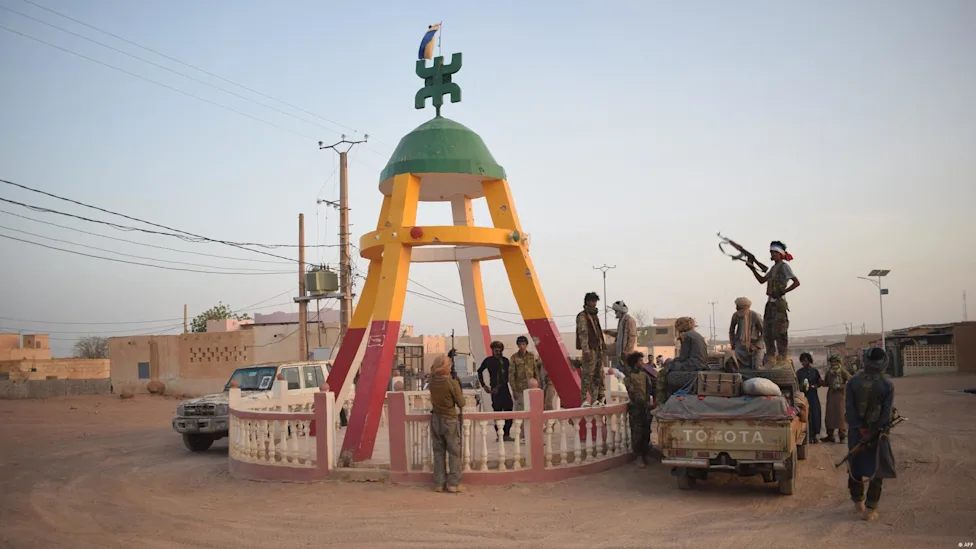
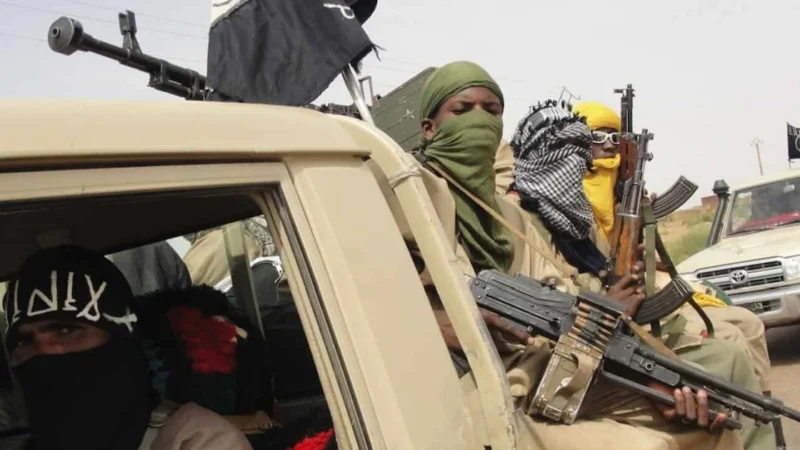
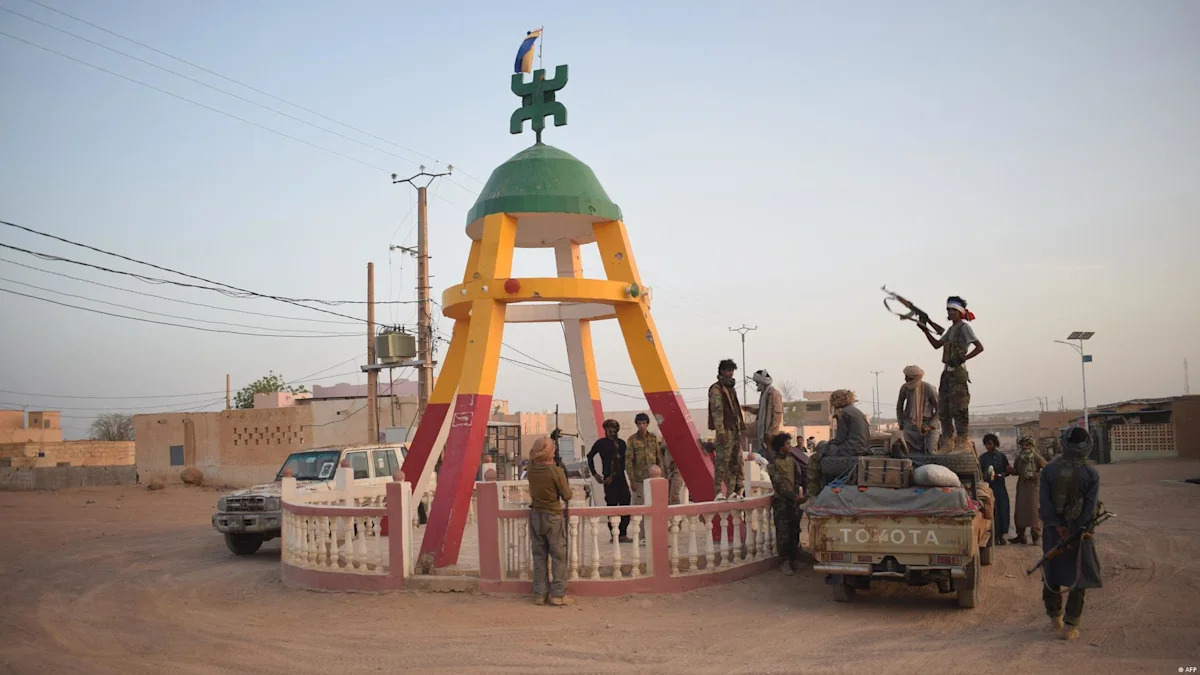
Discussions within the Trump administration are exploring the possibility of US military strikes against the Group for the Support of Islam and Muslims (JNIM), an Al-Qaeda affiliate operating in Mali. While no final decision has been made, the proposal has already sparked sharp divisions among American officials. Meanwhile, on the ground in Mali, opinions remain deeply divided over the potential consequences of such an intervention.
The JNIM is currently considered the most formidable jihadist force in the Sahel region. Washington now views the group’s threat as extending far beyond Mali’s borders, reaching into several coastal nations of West Africa.
Voices from the streets of Bamako
While US authorities argue that Bamako’s security partnership with Moscow has failed to curb the advance of armed groups, the Pentagon has yet to confirm these discussions or announce any official decisions.
Malians themselves are sharply split over the idea of American military action on their soil.
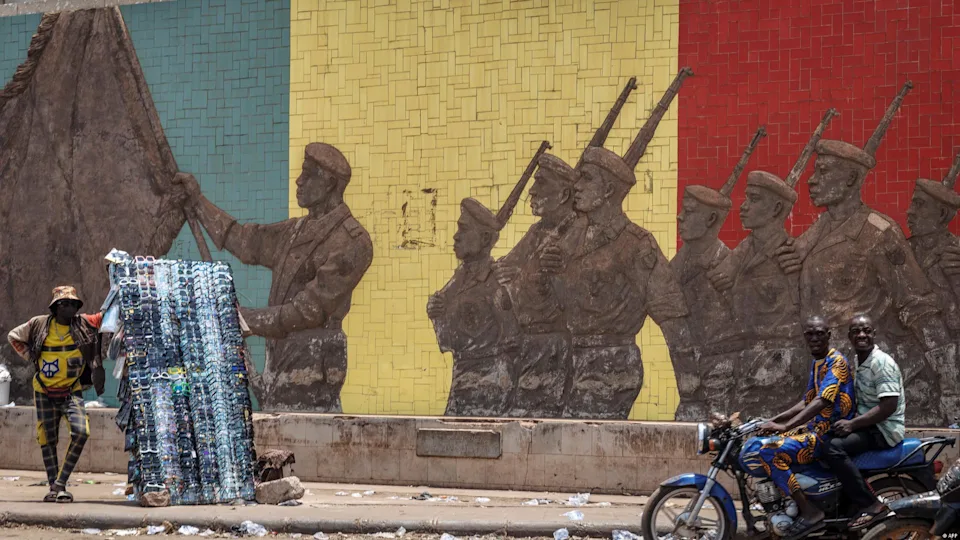
“Any initiative that brings peace across our entire territory—from Kayes to Kidal—is welcome. Whether it’s the United States or other partners, they are all welcome,” shared one resident of Bamako.
“It’s true we have Russian forces on our soil, and now the Americans want to come too. I see this in the context of diplomacy,” remarked another, emphasizing that “the authorities know best what serves our people—and what doesn’t.”
He concluded by adding, “It’s not a bad idea. Military intervention by the US in Mali could be beneficial.”
For years, Mali has grappled with worsening insecurity despite the departure of French forces and the arrival of Russian mercenaries. The JNIM has escalated its attacks, even targeting Bamako, while human rights organizations accuse the Malian army and its Russian allies of human rights abuses against civilians.
Foreign Minister Abdoulaye Diop addressed the issue this week during a press briefing ahead of the upcoming defense and security exhibition in Bamako. He underscored that Mali is closely monitoring Washington’s evolving stance while reaffirming the country’s commitment to sovereignty.
A potential geopolitical shift in the Sahel
Abdoulmoumouni Abbas, a Sahel-based expert on radicalization and violent extremism, warns that beyond security concerns, a potential US intervention could mark a significant geopolitical turning point in the region—a region where Russian influence has surged in recent years.
“This resurgence of US engagement should be seen as an expansion of operational capabilities, allowing Washington to gain a broader view of the Sahel and combat transnational organized crime,” he explained.
However, he cautioned that “the outcomes of US strikes in Nigeria raise serious questions.” According to Abbas, “early strikes in northern Nigeria’s Sokoto and Kebbi states missed their targets entirely.”
Reports indicate that the US has already stepped up intelligence-sharing cooperation with Bamako in recent months.