Congo opposition stages ‘dead city’ protest against potential constitutional revision
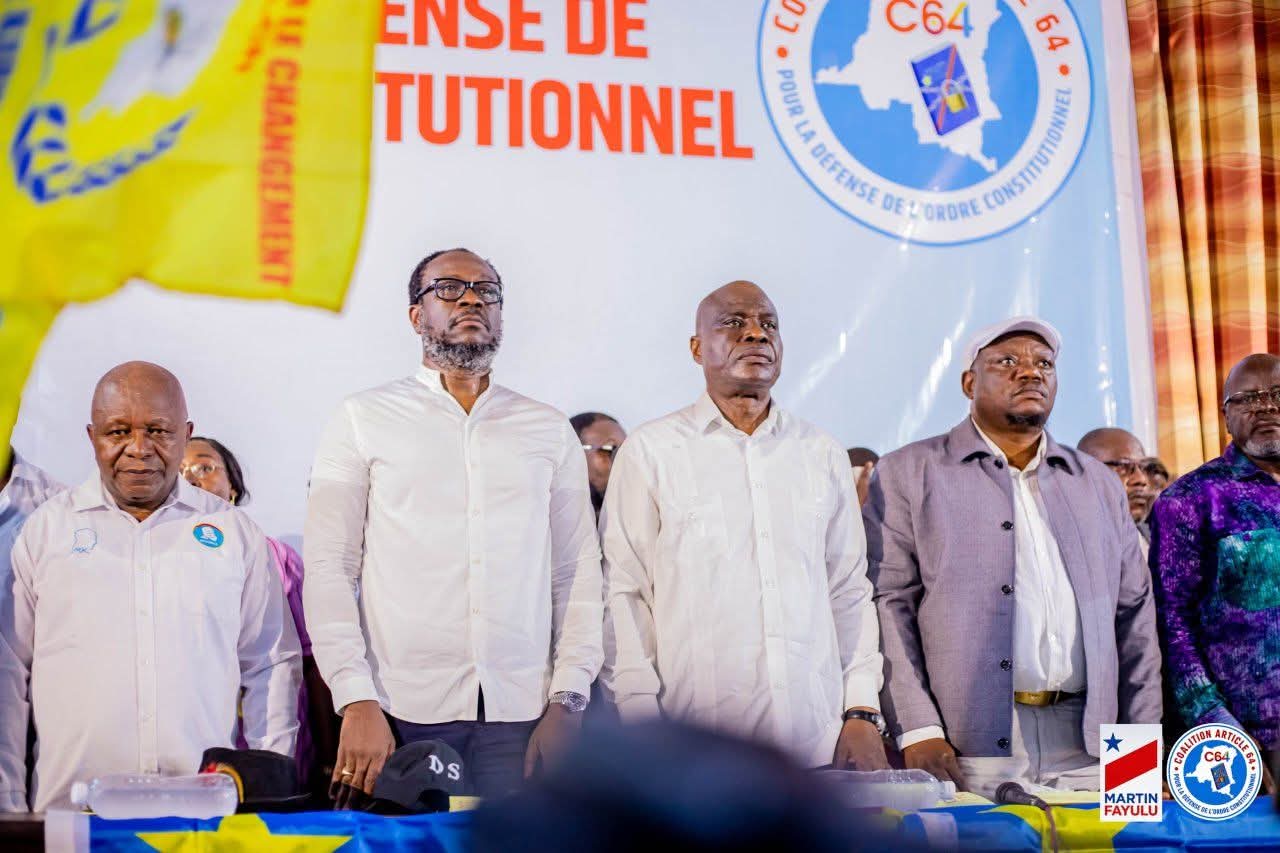
Amid growing concerns over a potential constitutional revision that could pave the way for a third presidential term, dissenting voices have intensified their campaign against President Félix Tshisekédi’s ambitions. On June 3, a coalition of political opponents and civil society leaders, operating under the banner of the C 64 movement, called for a nationwide ‘dead city’ strike—a symbolic shutdown to voice opposition to the constitutional changes. The response was overwhelming: Kinshasa, usually bustling with activity, ground to a near halt as businesses shuttered their doors, signaling strong public resistance to the proposed alterations.
Constitutional revision in DRC hinges on power dynamics
The success of the strike has emboldened opposition groups to escalate their protests, hoping to pressure President Tshisekédi into abandoning his third-term bid. Yet, the head of state appears unmoved. Reports indicate he is leveraging a referendum route to bypass constitutional limits, framing the move as a democratic gesture to involve the public in his political aspirations. History offers little optimism: in Africa, leaders rarely organize votes they expect to lose. Tshisekédi, it seems, is determined to see this through, mirroring a pattern where incumbents manipulate processes to extend their rule.
Meanwhile, the government is mobilizing its own support base. Religious leaders sympathetic to the constitutional changes have announced a counter-rally on June 5, aiming to demonstrate backing for the president. The outcome of this standoff will likely depend on which side commands greater influence on the ground. If public sentiment sways against the revision, the proposal may falter; if proponents maintain dominance, the changes could prevail.
A pattern of political missteps
Critics argue that President Tshisekédi’s focus on constitutional amendments distracts from pressing national crises. Eastern DRC remains embroiled in conflict, with armed groups operating beyond Kinshasa’s control, while the Ebola epidemic continues to ravage communities. Earlier this year, religious leaders urged immediate inclusive dialogue to address these challenges, yet little progress has been made. The president’s insistence on pursuing constitutional changes—despite the looming threats—suggests a disconnect between governance and national priorities. It’s a familiar refrain in African politics: leaders repeating past mistakes, expecting different results.
The irony is stark. When Tshisekédi was in opposition, he vehemently opposed Joseph Kabila’s attempts to extend his mandate. Yet now, as president, he faces similar accusations, having once benefited from mass protests that forced Kabila to step aside. The cycle of resistance and reversal underscores a troubling trend where power dynamics overshadow urgent reforms.