Concern grows over underestimated Ebola outbreak in Democratic Republic of Congo
Two months after declaring an Ebola outbreak in the Democratic Republic of Congo (DRC), official figures released on July 15 show over 2,000 cases and 796 deaths. Yet, health authorities now suggest the actual number of infections could be two to four times higher than reported. What explains this striking discrepancy? Why is this epidemic proving so difficult to bring under control?
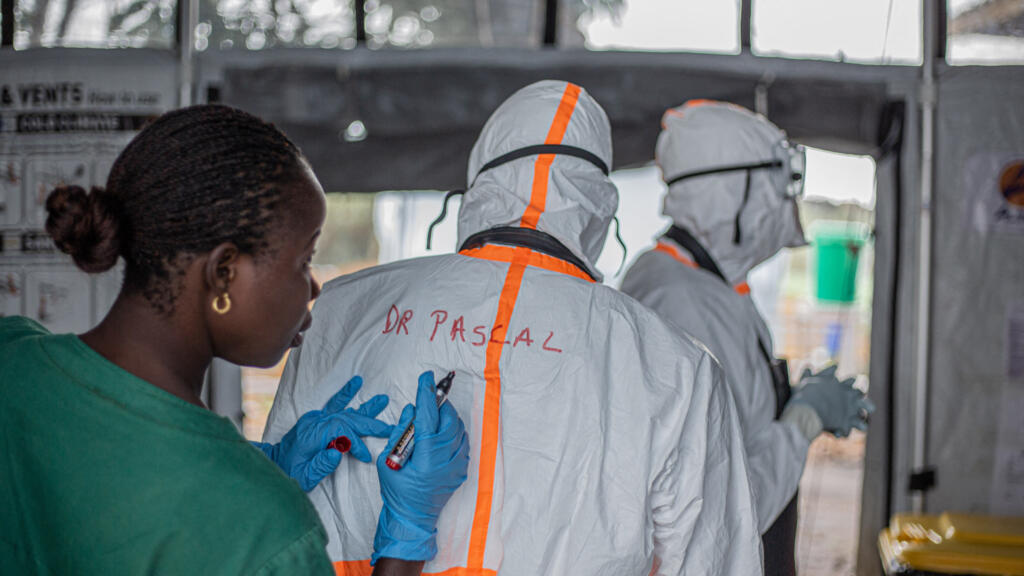
Underreporting raises critical questions
The World Health Organization (WHO) has sounded the alarm, indicating that the real infection rate in DRC could far exceed documented cases. This underreporting of Ebola cases is not just a statistical issue—it directly impacts response strategies and resource allocation. In Bunia, this week marked the launch of the first clinical trial for post-exposure prophylaxis, a potential game-changer in containment efforts.
Why is this outbreak so hard to contain?
Several factors contribute to the challenge of controlling the epidemic:
- Geographical spread: The outbreak has extended beyond initial hotspots, making containment efforts more complex.
- Community trust: Misinformation and distrust in health authorities can hinder reporting and treatment adherence.
- Healthcare infrastructure: Limited resources in rural areas slow down detection and response times.
- Cross-border mobility: Movement across provinces and neighboring countries increases the risk of regional spread.
A new trial offers hope
The introduction of post-exposure prophylaxis in Bunia represents a proactive step in prevention. This treatment, administered to individuals exposed to the virus, could significantly reduce transmission rates if widely adopted. Early results from the trial will be closely monitored to assess its effectiveness in real-world conditions.
As health authorities grapple with these challenges, the situation underscores the urgent need for transparent reporting and robust public health interventions to curb what may be a far larger crisis than currently acknowledged.