Chad’s governance crisis: when public management defies divine justice
Chad’s governance crisis: when public management defies divine justice
How can faith in divine justice coexist with systemic mismanagement and state corruption?
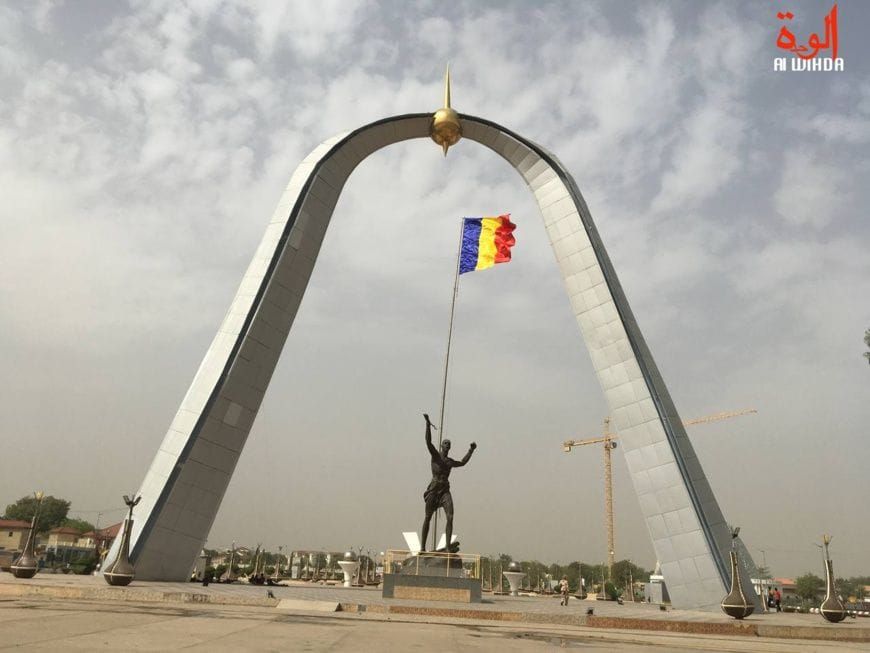
Recent statements from Chad’s head of state, attributing the nation’s governance failures to divine will while invoking religious fear to control the population, strike a dissonant chord against the backdrop of citizens’ daily struggles. Faith and spirituality serve as pillars of resilience for Chad’s people, but when weaponized to obscure systemic failures in governance, economics, and institutions, even the most patient observers must remind leaders that divine justice cannot be invoked to justify political mismanagement.
Sacred values like sincerity and justice demand absolute respect for the popular will in governance. Yet the May 2024 presidential election exposed glaring inconsistencies: contested official figures, independent observer reports highlighting structural bias, and a process designed to entrench power. The violence that followed in the wake of a disputed victory only deepened public distrust.
For appeals to divine truth to resonate, they must be paired with absolute transparency in electoral processes. The upcoming legislative and local elections will serve as a critical test. Without a complete overhaul of the electoral management body and transparent, polling-station-level results, democratic transition remains a hollow promise.
The 2024 electoral charade shattered public confidence. Citizens now demand a complete electoral roll reform and restructuring of the election commission for future legislative votes—if the head of state genuinely values truth over power consolidation.
State nepotism vs republican equity
Divine law condemns favoritism and corruption, yet Chad’s current regime thrives on a blatant concentration of power within state institutions, financial regulators, and security forces through nepotism. Technical expertise is routinely sacrificed for regional, clan-based, or familial affiliations. Republican meritocracy lies in tatters. Young professionals without influential connections face unemployment while lucrative public posts—particularly in oil and customs revenue management—are treated as personal favors for the president’s inner circle. This systemic injustice fuels frustration and undermines national stability.
Collapsing infrastructure: a managerial shipwreck
To frame daily hardships as divine tests is a cynical political maneuver. Chad’s collapse of essential services stems not from fate, but from managerial incompetence.
The energy crisis in N’Djamena is no act of God. Power outages have become the norm, with hospitals and businesses paralyzed by deliberate load-shedding. Recent fires at critical power plants have plunged the capital into deeper darkness.
Water scarcity in Abéché, Sarh, and Moundou cannot be divine will when Chad possesses abundant natural reserves. Yet potable water remains a daily struggle for households due to institutional failure.
Oil and gold revenues vanish into the pockets of a privileged few while critical infrastructure crumbles. Can divine justice truly justify the plundering of national wealth in its name?
Chadians no longer seek moral platitudes or empty promises. They demand credible institutions, functional public services, and inclusive governance. Only measurable improvements in their daily lives will determine whether their leaders’ appeals to divine justice hold any weight.