Chad’s governance crisis: when chaos replaces solutions
Chad’s governance crisis: when chaos replaces solutions
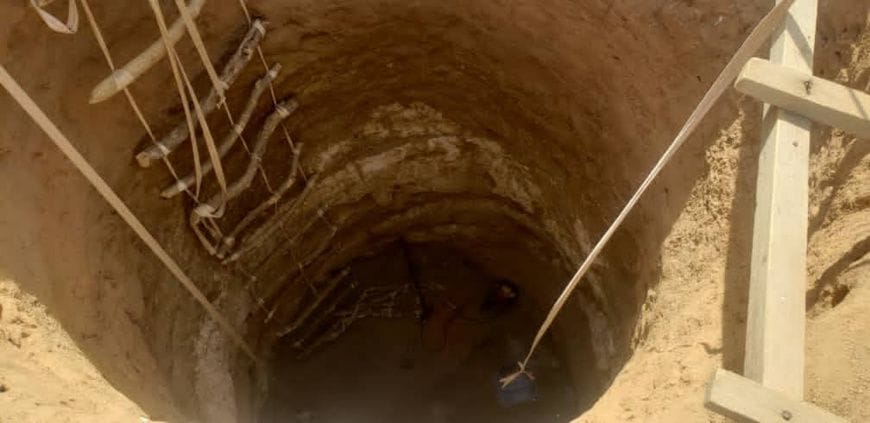
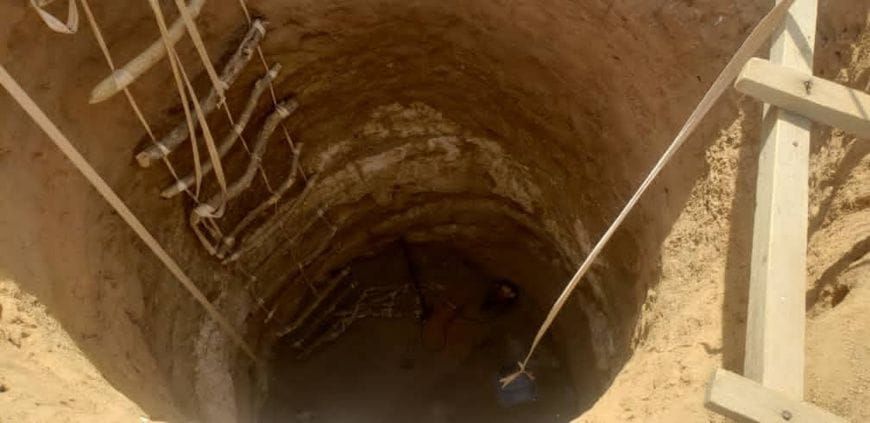
In the 21st century, dying over a water source isn’t fate—it’s the direct consequence of a deliberately unaddressed institutional void.
For three decades, the pattern has remained unchanged. Scenery shifts, the faces of self-proclaimed saviors cycle from father to son, yet the spilled blood maintains its same hue: the color of systemic failure. Here, communal clashes aren’t resolved—they’re choreographed. The roar of presidential convoys kicking up dust through villages takes precedence over the quiet resolve of an impartial judiciary. This is the anatomy of a systematically engineered collapse.
Staged interventions, hollow outcomes
When disputes erupt over water sources or grazing land, the State’s response follows a predictable script. High-profile delegations arrive, mediation ceremonies unfold in grand fashion, and paternalistic speeches echo through dust-choked air. But what remains once the presidential motorcade’s trail fades into memory? Absolutely nothing. That’s the crux of the issue. This theater of operations consumes vast resources. A single presidential visit’s budget could fund thousands of modern wells, converting scarce resources into shared assets. Yet building lasting infrastructure would dismantle the very justification for emergency interventions. By keeping institutions weakened, the cycle of dependency persists—where the people remain in perpetual need of a savior.
Crushed institutions, a judiciary in shackles
Elsewhere, leaders seldom descend upon local conflicts—not out of disdain, but because governance functions. In Chad, however, politics has systematically neutered the justice system. An independent judiciary poses the greatest threat to those who govern through arbitrariness. By denying courts the autonomy to adjudicate disputes, the State forces citizens into self-administered justice. In the 21st century, perishing over a water source isn’t divine mandate or ancestral tradition—it’s the direct outcome of an institutional void deliberately perpetuated. Political failure here is absolute, as the system prioritizes crisis management over nation-building and unity.