CEDEAO’s dialogue with the Sahel alliance: a pragmatic move or a strategic misstep?
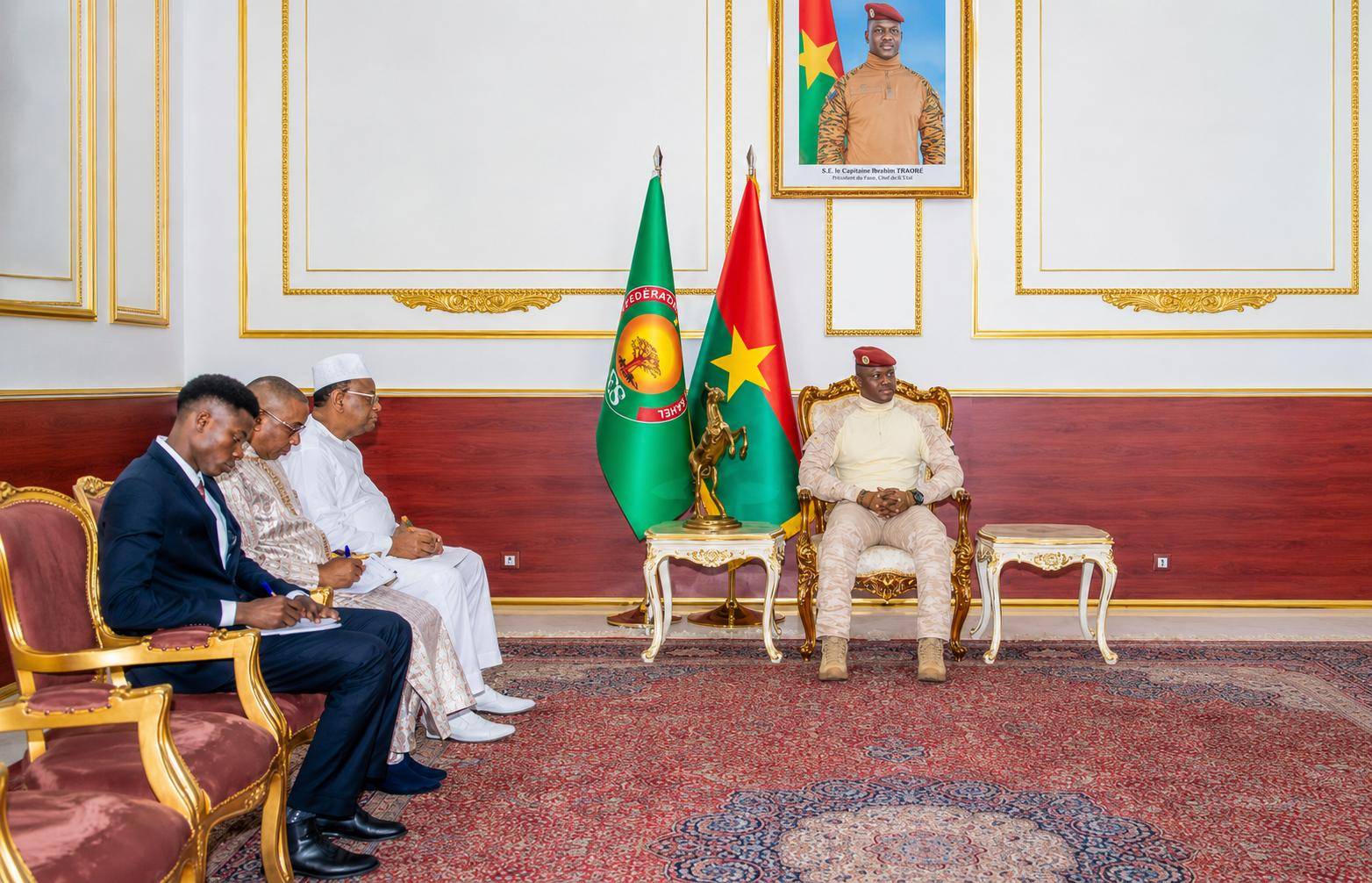
The recent visit of Lansana Kouyaté, ECOWAS mediator for the Alliance of Sahel States (AES), to Ouagadougou has reignited the spotlight on regional diplomacy. Standing before Captain Ibrahim Traoré, the envoy championed a “necessary cooperation,” underscoring an undeniable truth: no decree can sever the deep-seated ties binding these nations. While the regional bloc’s pragmatic approach deserves credit, it collides head-on with deep-rooted skepticism—a skepticism forged by a history of regimes that have repeatedly abandoned their word.
Why the dialogue matters: balancing realism with regional survival
Dismissing ECOWAS’s outstretched hand would be shortsighted. By prioritizing dialogue over confrontation, the West African organization demonstrates a much-needed political maturity. The stakes are higher than abstract principles; they are matters of survival for millions.
- Economic lifelines at risk: Over 70% of trade for landlocked Sahel nations like Burkina Faso, Mali, and Niger flows through coastal ECOWAS ports. Severing these ties would devastate already fragile economies, punishing citizens for the actions of their leaders. ECOWAS’s refusal to inflict collateral damage on innocent populations is both justified and visionary.
- The terror threat defies borders: Jihadist groups operate without regard for treaties or borders. To combat insecurity without robust cross-border coordination is military folly. ECOWAS’s pursuit of pragmatic security cooperation is a lifeline in a region drowning in instability.
When trust erodes: the shadow of broken promises
Yet this diplomacy of common sense faces a critical flaw: the glaring asymmetry of good faith. The military regimes of the AES share a troubling pattern—reneging on commitments, both at home and abroad. Transitions promised to last 18 to 24 months have been unilaterally extended, with elections indefinitely postponed under the guise of security imperatives.
1. International agreements: a revolving door of compliance
ECOWAS has learned the hard way that agreements signed in Bamako or Ouagadougou can be discarded months later in the name of “reclaimed sovereignty.” Decades of painstaking regional integration have been undone in weeks to appease populist rhetoric. Negotiating with partners who treat international law as optional is like building on quicksand.
2. The betrayal of the social contract
The gravest transgression, however, lies in the betrayal of the Sahel’s own people. These juntas rode to power on promises of restoring security and rebuilding the state, yet their legacy is one of repression and failure. Today, they are defined by:
- Political asphyxiation: The suspension of opposition parties and suffocation of civil society.
- Press censorship: Independent journalism is stifled, dissent crushed under the banner of “national unity.”
- Security deterioration: Violence spreads unchecked, despite shifting geopolitical alliances.
The fundamental contract between a state and its citizens—protection and freedom—has been systematically violated.
Dialogue with teeth: the path forward
ECOWAS is right to avoid a chaotic rupture. Keeping economic and technical bridges intact is a regional imperative. However, the organization cannot afford to legitimize de facto regimes that exploit negotiations to consolidate personal power. Dialogue must come with ironclad, enforceable guarantees. Otherwise, this latest mediation effort risks becoming another chapter in a familiar cycle: hollow promises followed by inevitable betrayal.