Friday, October 2

Top Stories

How Faure Gnassingbé uses diplomatic balancing between Russia, ECOWAS, and the AES
Top Stories

How Faure Gnassingbé uses diplomatic balancing between Russia, ECOWAS, and the AES

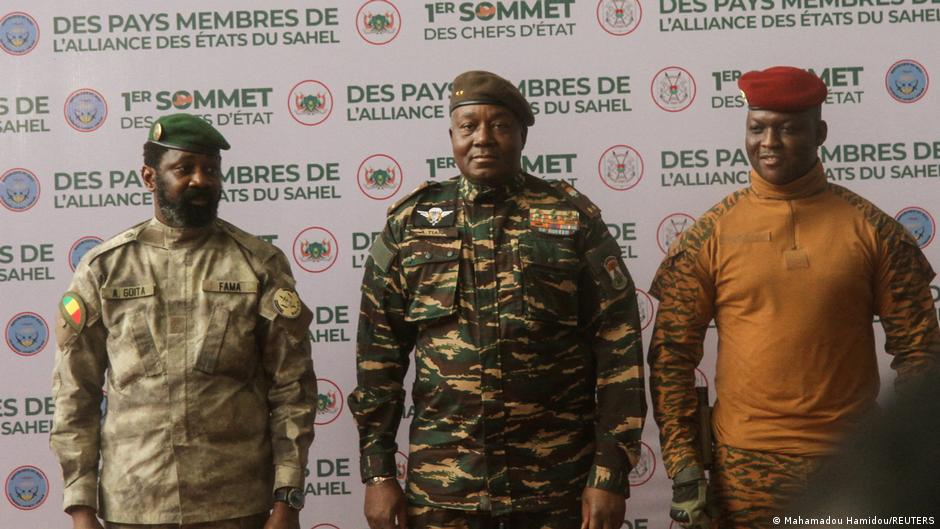
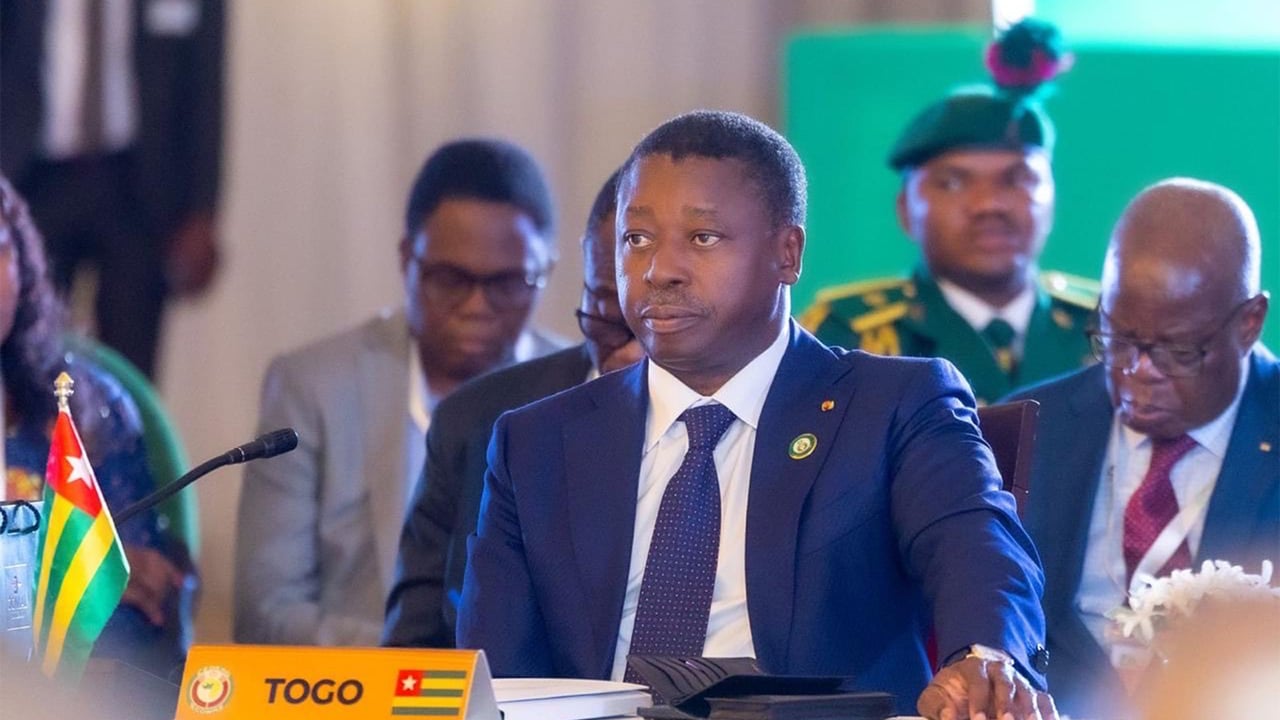
The strategic discretion of Togo‘s foreign policy is often highlighted by its calculated silence. On Monday, March 9, a significant diplomatic event unfolded in Lomé as Faure Essozimna Gnassingbé hosted the Russian Minister of Defense, Andreï Belousov. The Russian official had arrived in the capital the previous evening by plane. While the meeting was confirmed by sources within the Togo presidency, the government chose not to release any formal communication regarding the visit. This quiet approach underscores the delicate balancing act Faure Gnassingbé is performing between global powers like Russia, regional bodies such as ECOWAS, and the AES (Alliance of Sahel States). By Fati Seyni — Analyst

Ligue des champions : Le résultat des huitièmes et le programme des quarts
Top Stories

Ligue des champions : Le résultat des huitièmes et le programme des quarts

Ligue des champions : Le résultat des huitièmes et le programme des quartsLe choc attendu PSG - Liverpool aura bien lieu, après leurs victoires contre Chelsea et Galatasaray. Découvrez les résultats des huitièmes de finale de l'UEFA Champions League, et le programme complet des quarts de finale. Le 19/03 à 10h02 | Durée : 1:01PartagerPartager By Fati Seyni — Analyst
Niger invests in integrated health system to boost epidemic response
Top Stories

Niger invests in integrated health system to boost epidemic response

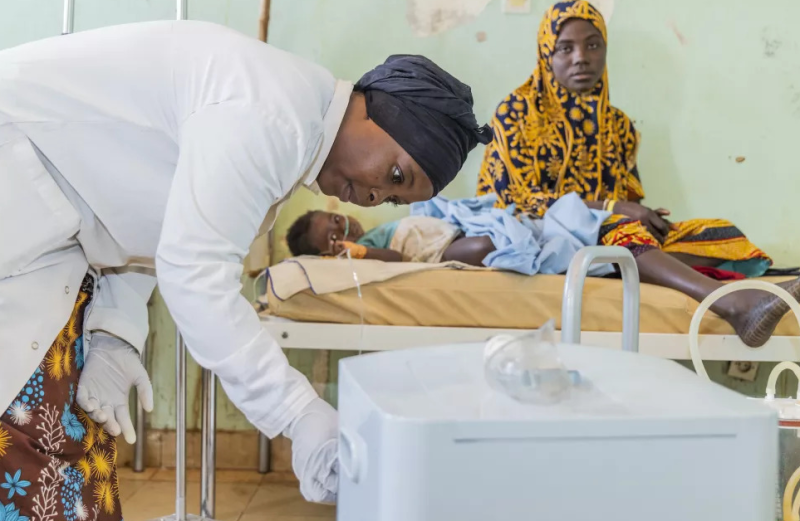
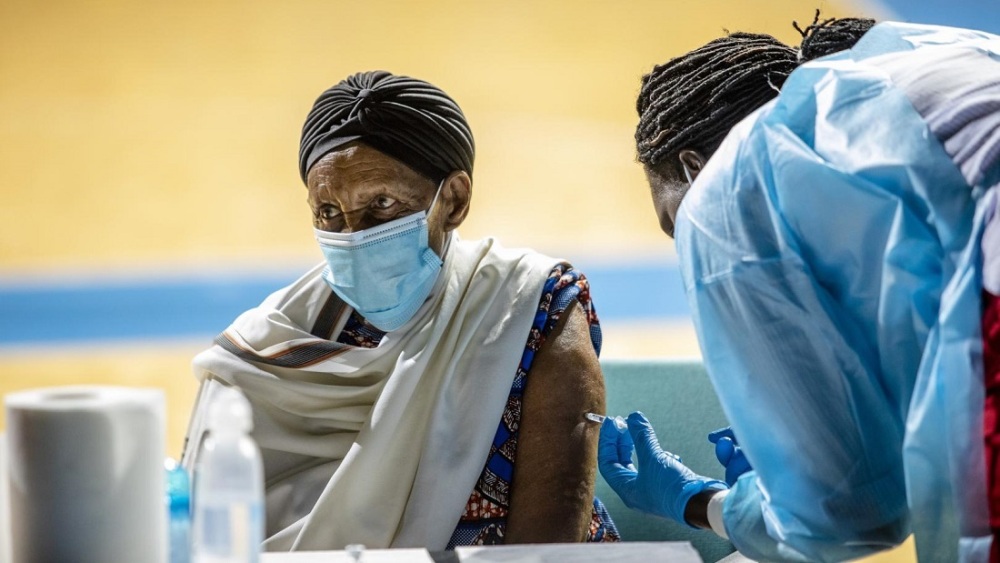
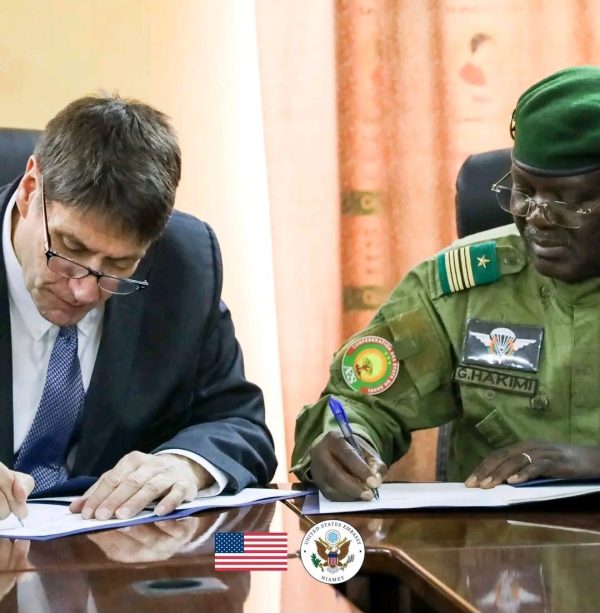
Niger strengthens health security with integrated ecosystem investment The Government of Niger has launched a transformative health initiative, securing a five-year bilateral agreement worth $179.3 million with the United States to modernize its healthcare infrastructure and epidemic response capabilities. This partnership aligns with Washington’s America First global health strategy, focusing on critical areas such as malaria control, maternal and child health, and epidemiological surveillance. key funding breakdown and national commitments Under the agreement, the U.S. will allocate $107.4 million to support Niger’s health sector, covering: Malaria prevention and treatment programs Enhanced maternal and child health services Strengthened disease surveillance systems Emergenc...
WAPCO Niger advances community health and livestock welfare initiatives
Top Stories

WAPCO Niger advances community health and livestock welfare initiatives

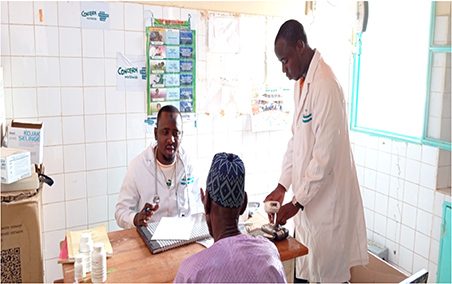
WAPCO (Niger), in close partnership with the local livestock bureau, recently concluded a highly successful livestock vaccination and deworming campaign across the Zinder region. This vital initiative reached seven pastoral encampments, including N’Guel Eléfi and Tesker, providing essential veterinary services to more than 10,000 animals. This achievement marks the successful culmination of the initial phase of WAPCO (Niger)'s "Healthy Communities" public interest activities, which have now positively impacted all areas traversed by the pipeline. To further bolster the health management capabilities of local populations, WAPCO (Niger) proactively integrated its internal medical resources. Leveraging on-site medical staff and fundamental medicines, the company launched two pilot programs fo...
Somalia faces extreme famine risk as drought devastates livelihoods
Top Stories

Somalia faces extreme famine risk as drought devastates livelihoods

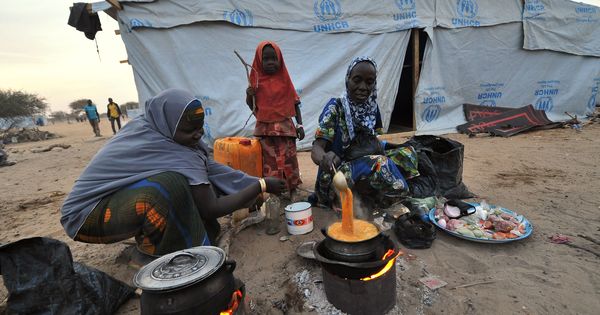
Somalia stands on the brink of an unprecedented humanitarian crisis. The International Committee of the Red Cross (ICRC) has raised urgent alarms about the rapid deterioration of food insecurity across the country. With 6.5 million people already grappling with severe hunger, prolonged drought conditions continue to wipe out livelihoods and deepen vulnerability. Collapse of pastoralism fuels the crisis Following two consecutive seasons of failed rains, experts warn of a potential return to the catastrophic hunger levels last seen in 2022. Pastoralism, the backbone of Somalia’s economy and a primary income source for over 60% of the population, is collapsing under the pressure. Mass livestock losses have stripped families of both food and critical income streams. Thousands are now fleeing ...
Evolution of western diplomacy in the Sahel: a shift in strategy
Top Stories

Evolution of western diplomacy in the Sahel: a shift in strategy

On February 25, the United States Department of State formalized a five-year bilateral agreement with Burkina Faso. This memorandum of understanding, valued at 147 million dollars, is specifically designed to bolster Ouagadougou's health initiatives, particularly in the fight against HIV/AIDS. This move follows a mid-February diplomatic gesture where Washington conveyed its "respect" for the sovereignty of Niger during a telephone exchange with the transitional Prime Minister, Ali Mahamane Zeine. Simultaneously, Joao Cravinho, the European Union's Special Representative for the Sahel, conducted a high-profile visit to Bamako. This mission took place despite the ongoing friction between Malian leaders and the EU. These events raise a pivotal question: are Western nations seeking a reconcil...
1,1 milliard d’euros pour le Niger, Burkina et la RDC : le plan sanitaire des USA pour l’Afrique poursuit sa vague d’adhésion
Top Stories

1,1 milliard d’euros pour le Niger, Burkina et la RDC : le plan sanitaire des USA pour l’Afrique poursuit sa vague d’adhésion

1,1 milliard d'euros pour le Niger, Burkina et la RDC : le plan sanitaire des USA pour l'Afrique poursuit sa vague d'adhésionMuriel EDJO, Agence EcofinCes conventions visent le renforcement des capacités de la RDC et du Burkina Faso à répondre aux menaces sanitaires avant qu’elles se propagent hors de leurs territoires.DR By Harouna Ousmane — Reporter
Niger united states health deal worth $178 million: benefits and concerns
Top Stories

Niger united states health deal worth $178 million: benefits and concerns

The Niger government’s recent agreement with the United States has sparked intense debate: is it a transformative health initiative or a potential erosion of digital sovereignty? Signed in Niamey on February 26, 2026, the health cooperation protocol commits Washington to invest $178 million (nearly 99.6 billion CFA francs) over five years. At first glance, the priorities appear uncontroversial—malaria control, infectious disease monitoring, polio prevention, and maternal and child health improvements. However, beneath the surface, serious questions linger about the long-term implications of this partnership. financial strain meets global health priorities The U.S. contribution totals $107 million, while Niger pledges to increase its own health spending by over $71 million. This dual comm...
Strengthening health security in Burkina Faso through a new partnership with the United States
Top Stories

Strengthening health security in Burkina Faso through a new partnership with the United States

A collaborative framework for health resilience in the SahelA new five-year memorandum of understanding has been established between the United States and Burkina Faso to elevate health security as a shared strategic priority. This agreement is designed to provide Burkina Faso with the necessary tools to autonomously manage infectious threats while simultaneously protecting global health interests. By fostering local resilience, the initiative aims to build robust, locally managed healthcare systems. This bilateral cooperation is structured with precise objectives, dedicated resources, and consistent monitoring to anticipate, identify, and react swiftly to potential epidemics within the demanding regional context of the Sahel.A strategic and results-oriented partnershipThis cooperation is ...
Sudan-Chad border closure sparks tensions in N’Djamena
Top Stories

Sudan-Chad border closure sparks tensions in N’Djamena

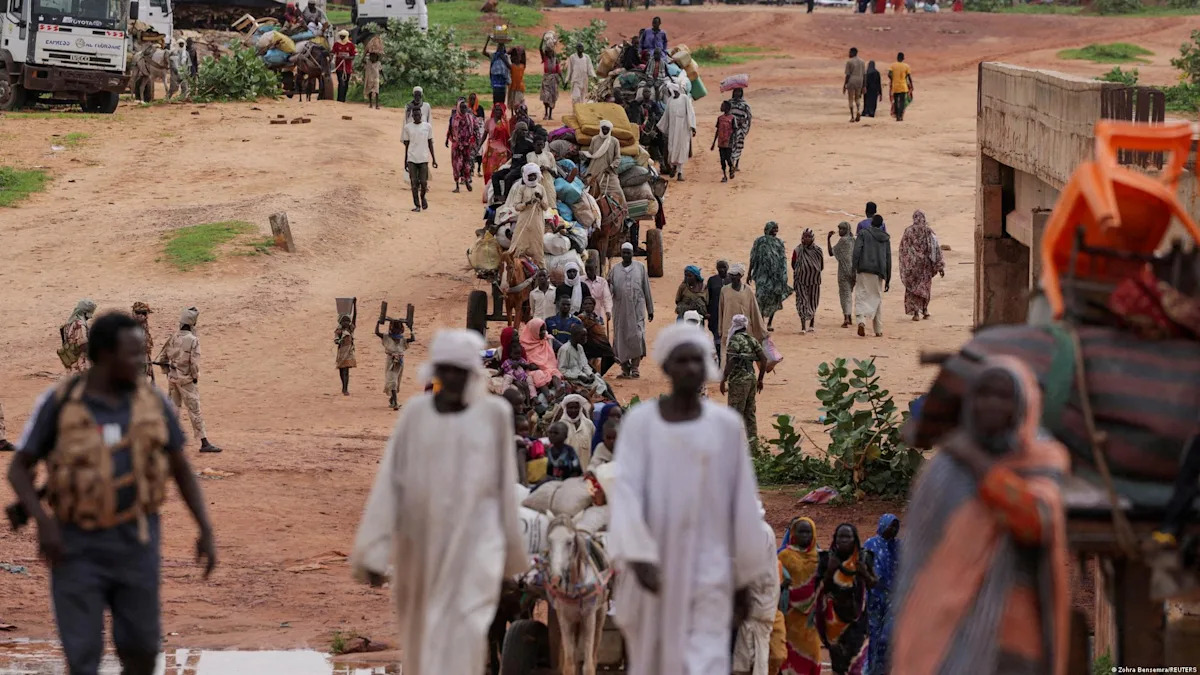
Sudan–Chad border closure sparks tensions in N'DjamenaThe francophone editorial team of DWTuesday, February 24, 2026 at 6:06 PM UTCAdd Yahoo as your preferred source to see our articles on Google.The conflict in Sudan has escalated into a severe humanitarian crisis. Nearly a million people have fled to neighboring Chad, which now sits on the frontline following the fall of El-Fasher in North Darfur. In just two weeks, nearly 100,000 civilians fled the city, with about 6,000 crossing into Chad. This dire situation is unfolding in a country already overwhelmed by years of regional instability.A strategic border under extreme strainThe 1,300-kilometer border between the two nations cuts through arid, difficult-to-monitor regions. Historically exploited by militias and rebel groups, these area...
Understanding the expansion of JNIM beyond the Sahel region
Top Stories

Understanding the expansion of JNIM beyond the Sahel region

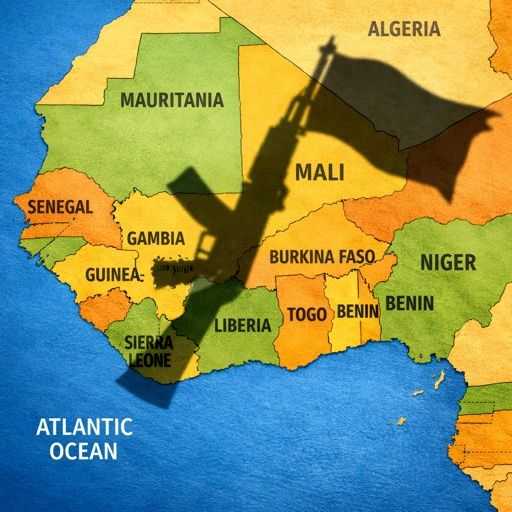
A specialized seminar organized by the Africa: Citizenship, Violence, and Politics research group at CERI and the Africa Programme will examine the evolving threat landscape in West Africa. Since its formation in 2017, the Al-Qaeda affiliate Jama’at Nusrat al-Islam wal-Muslimin (JNIM) has emerged as a dominant armed force in the Central Sahel. By operating through various katibas, the group has established a presence in Mali, Niger, and Burkina Faso, often challenging state authorities for territorial control and influencing governance Africa struggles to maintain. The southward shift toward the Gulf of Guinea Since 2019, JNIM has shifted its focus toward the southern Sahel and the Gulf of Guinea, specifically targeting northern regions of Bénin, Togo, and Côte d’Ivoire. While thi...
African union summit: coup leaders should not be allowed to run in elections
Top Stories

African union summit: coup leaders should not be allowed to run in elections

The 39th African Union summit concluded with a bold declaration: to silence the guns and firmly reject unconstitutional power changes across the continent. But is this commitment realistic? Paul-Simon Handy, a Cameroonian researcher and Regional Director of the Institute for Security Studies (ISS) for East Africa, shared his insights from Addis Ababa during Africa Midi. Can the African Union enforce its zero-tolerance stance on coups? During the summit, African leaders pledged to take a hard line against unconstitutional power transfers, a recurring issue on the continent. Yet, the elephant in the room remains: how can these declarations translate into action when some former coup leaders are now running for—and even winning—elections? Paul-Simon Handy, wh...