Tuesday, November 3

Actualités

Togo’s maritime economy: the rationale behind Faure Gnassingbé’s three-pillar strategy
Actualités

Togo’s maritime economy: the rationale behind Faure Gnassingbé’s three-pillar strategy

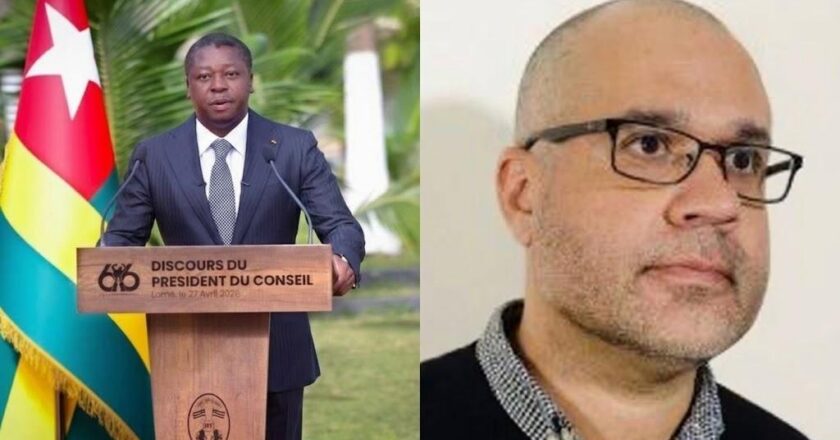
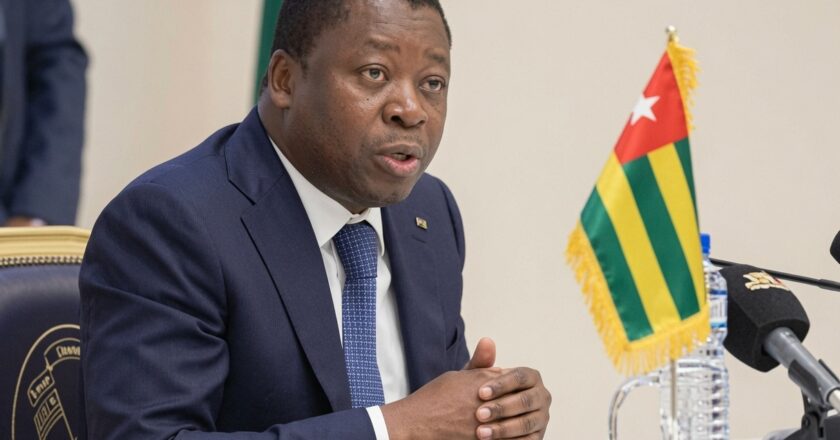
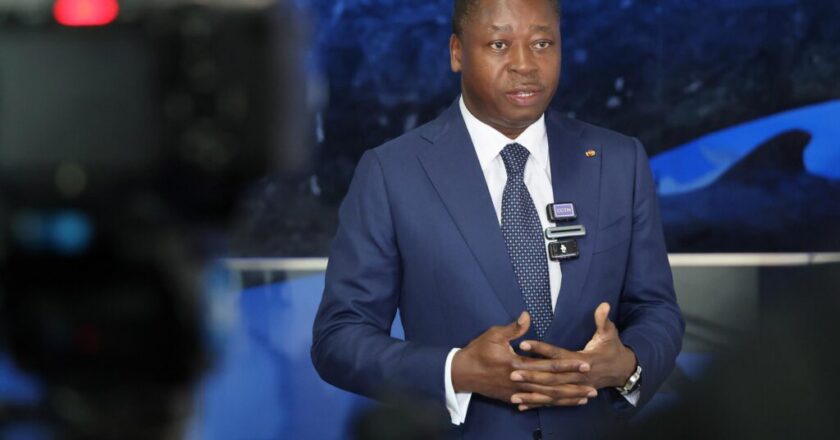
Le Togo entend renforcer les retombées économiques de sa position maritime en misant sur la sécurité des échanges, la transformation productive et le développement des compétences scientifiques. Face aux médias chinois, le lundi 12 octobre 2026, le président du Conseil, Faure Gnassingbé, a exposé les priorités de Lomé pour mieux valoriser son potentiel maritime. Cette stratégie repose sur 3 axes : la sécurisation des espaces maritimes, la création de valeur économique et la maîtrise des connaissances et technologies liées aux océans. Dans le golfe de Guinée, le Togo participe aux efforts de coopération régionale visant à protéger la navigation, lutter contre les trafics illicites et sécuriser les espaces maritimes. Faure Gnassingbé estime que la Chine, acteur majeur du commerce mondial, p...

Behind Gabon’s airport security upgrade: the real forces pushing the API-PNR system forward
Actualités

Behind Gabon’s airport security upgrade: the real forces pushing the API-PNR system forward

Le ministre d’État, ministre des Transports, de la Marine marchande et de la Logistique, Ulrich Manfombi Manfombi, a visité lundi les installations de Sécuriport à l’aéroport international Léon-Mba de Libreville. Cette visite vise à accélérer la mise en service du système API-PNR, un dispositif technologique destiné à renforcer le contrôle des voyageurs internationaux et à mieux prévenir les menaces à la sécurité nationale. Ce système repose sur la collecte et l’analyse des données des passagers afin de permettre aux autorités compétentes d’anticiper les risques liés aux déplacements internationaux. Il doit notamment contribuer à la lutte contre la criminalité transnationale, le trafic de stupéfiants et le terrorisme, en améliorant les capacités de contrôle aux frontières. Pour Ulric...
Robert Montoya’s northern Togo push: unpacking the hidden mechanics of arms brokering
Actualités

Robert Montoya’s northern Togo push: unpacking the hidden mechanics of arms brokering

Twenty-two years after the Bouaké bombing, Robert Montoya is back in the spotlight—this time for reportedly trying to position himself in the security market of northern Togo. The timing is striking: a fresh legal complaint in Paris and a strategic interest in a region under pressure from Sahelian armed groups. What does this dual development reveal about the private networks that operate around military contracts? Why northern Togo is a magnet for private brokers Since 2021, northern Togo has faced increasing spillover from jihadist groups active in the Sahel. The July 2024 attack on the Kpinkankandi military post exposed the vulnerability of forward positions and the ability of militants to strike defense installations. Lomé has responded by reinforcing its military presence, notably th...
Behind Faure Gnassingbé’s Beijing visit: what really drives Togo’s China diplomacy
Actualités

Behind Faure Gnassingbé’s Beijing visit: what really drives Togo’s China diplomacy

The mechanics behind Togo's diplomatic outreach to Beijing When Faure Gnassingbé lands in China from October 9 to 16, 2026, the official narrative will center on strengthening a long-standing strategic partnership between Lomé and Beijing. The itinerary includes meetings with Chinese leaders, economic exchanges, industrial site visits, and exploration of new avenues for cooperation. On paper, the trip carries all the hallmarks of a diplomatic offensive designed to attract investment and accelerate Togo's development. Yet beyond the handshakes and cooperation pledges, a deeper question lingers: how long will it take for Togolese citizens to see the benefits of these partnerships materialize in their daily lives? Diplomacy is an important instrument of economic policy, but it cannot be an en...
Niger’s $203 million IMF deal: the untold mechanics behind a high-stakes economic bet
Actualités

Niger’s $203 million IMF deal: the untold mechanics behind a high-stakes economic bet

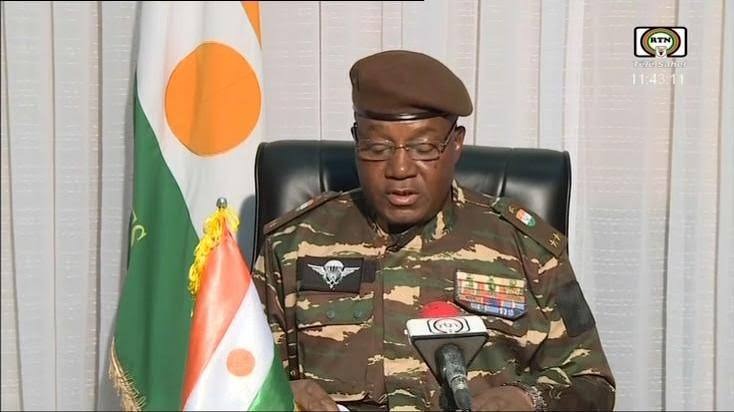
The announcement of a $203 million financing package between Niger and the International Monetary Fund did not emerge from a vacuum. It followed months of technical groundwork, a carefully choreographed mission to Niamey, and a set of calculated concessions on both sides. The staff-level agreement, reached after talks from September 28 to October 8, 2026, under the leadership of IMF mission chief Julia Bersch, signals far more than a simple cash injection. It marks a strategic pivot in Niamey's relationship with its international creditors — and reveals the underlying pressures shaping the country's economic trajectory. What really sits behind the $203 million figure On paper, the numbers appear straightforward: roughly $203 million, equivalent to 150.02 million Special Drawing Rights, c...
Behind Benin’s quiet diplomatic win in Geneva: the deeper forces at play in Inès Hadonou-Toffoun’s UN election
Actualités

Behind Benin’s quiet diplomatic win in Geneva: the deeper forces at play in Inès Hadonou-Toffoun’s UN election

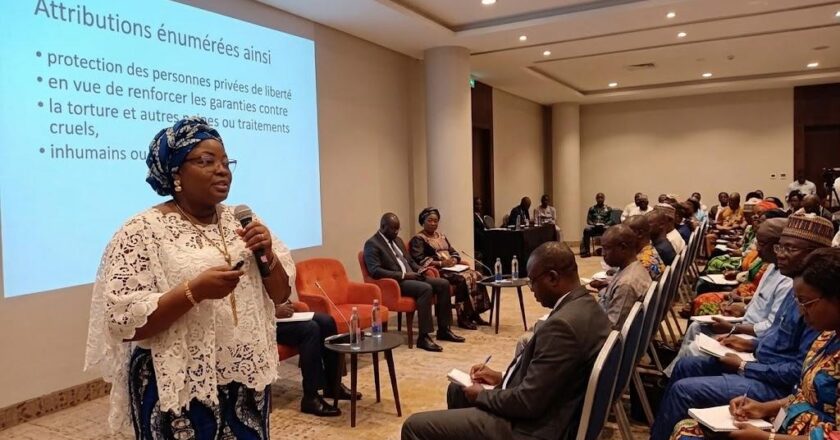
When Inès Hadonou-Toffoun was elected in Geneva to the Advisory Committee of the United Nations Human Rights Council, the announcement looked like a well-deserved individual honour for a seasoned jurist. But the roots of this outcome run deeper. Behind the ballot lies a deliberate, patient effort by Benin to anchor its legal expertise inside the machinery of multilateral human rights. Her three-year term, running from 2026 to 2029, places her among 18 international experts — and offers the country a rare platform to shape how global debates on fundamental freedoms are framed. A Geneva seat that reveals Benin's long-term strategy Benin has just crossed a new threshold in its representation within international human rights bodies. The Beninese jurist Inès Hadonou-Toffoun was elected in Ge...
Vêdoko interchange funding: the layered logic behind Japan’s latest commitment to Cotonou
Actualités

Vêdoko interchange funding: the layered logic behind Japan’s latest commitment to Cotonou

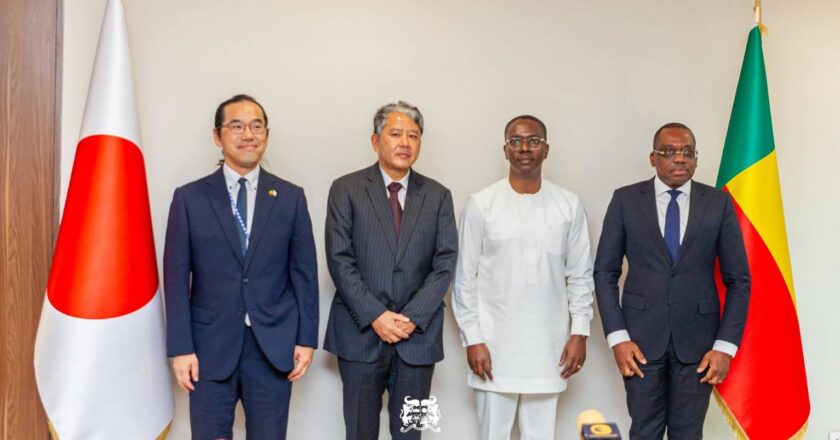
Behind the headline figure of 10.8 billion FCFA that Benin and Japan signed off on Friday, 9 October 2026, lies a more complex story about how large urban infrastructure projects actually get financed and delivered. The new grant agreement, dedicated to phase two of the Vêdoko interchange in Cotonou, lifts the total announced financing to 26.228 billion FCFA. Yet the deeper insight is not the amount itself, but what this second injection of Japanese capital reveals about the sequencing, the risk management and the political economy of a construction site that was already underway long before this signature. Why a second funding tranche was needed before the first phase was finished The Vêdoko interchange project was officially launched on 28 October 2025, in a ceremony attended by Japan'...
Senegal’s school reopening after the floods: the untold dynamics behind the delay
Actualités

Senegal’s school reopening after the floods: the untold dynamics behind the delay

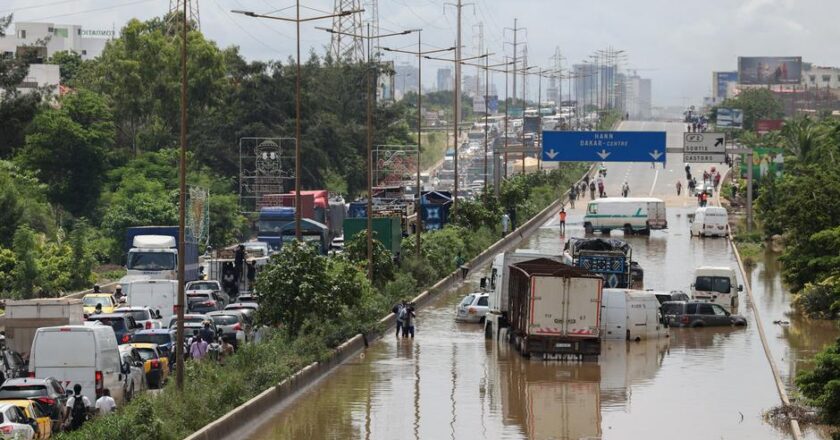
SociétéSénégalSénégal : les élèves retrouvent enfin le chemin de l'écoleSaikou Seydi12/10/202612 octobre 2026La rentrée scolaire, initialement prévue le 8 octobre, a été reportée à ce lundi 12 octobre en raison des fortes pluies et de l'état de certains établissements scolaires. https://p.dw.com/p/5O9QZMasque bien ajusté sur le visage, gants de protection aux mains, El Hadji Mamadou Niang s'active au milieu des volontaires. Ancien élève de l'école élémentaire Hamo 4 de Guédiawaye, il est revenu là où tout a commencé pour contribuer à la remise en état de l'établissement et permettre aux plus jeunes d'étudier dans de meilleures conditions. "Nous sommes redevables à tout ce que l'école a fait pour nous. D'abord, nous sommes de la cité, nous sommes partis de la communauté mais aussi nous gér...
Burkina Faso’s flour export ban: examining the rationale and its wider implications
Actualités

Burkina Faso’s flour export ban: examining the rationale and its wider implications

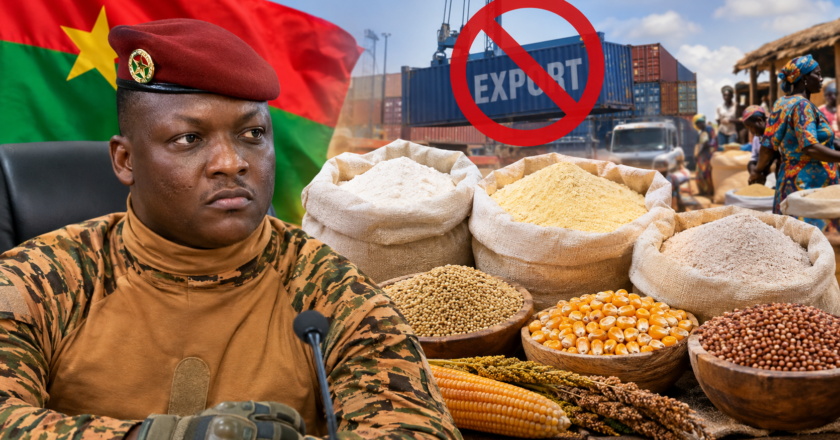
The decision and its stated objectives In Burkina Faso, the government has imposed an immediate ban on the export of certain flours. According to a directive issued by the Minister of Commerce, the prohibition applies to millet, maize, and sorghum flours, along with their derivatives. Special export authorisations previously granted for these products have also been suspended. For the Burkinabè authorities, this measure is intended to ensure the availability of these staple goods on the domestic market. Such an objective may appear legitimate, particularly in a context where food security remains a major concern. Yet beneath this justification lies a broader question: to what extent can a government restrict economic activities in the name of protecting the national market? Economic freed...
Mali’s Russian military partnership: behind the scenes of a security crisis that refuses to end
Actualités

Mali’s Russian military partnership: behind the scenes of a security crisis that refuses to end

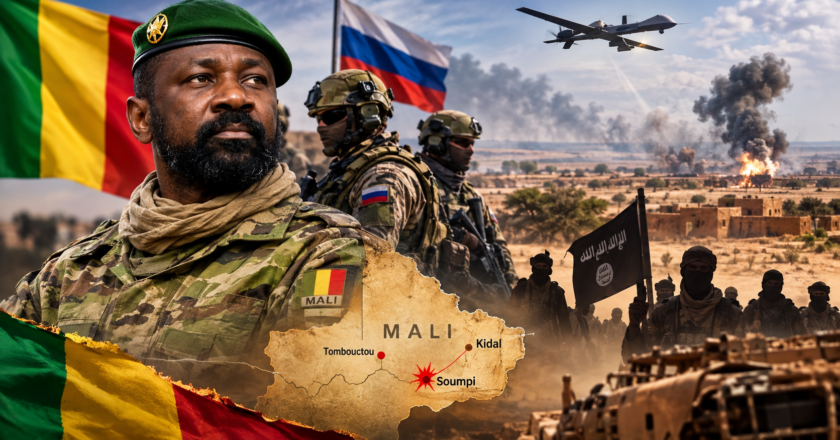
The reported drone strike by the Azawad Liberation Front (FLA) on positions held by Africa Corps and the Malian army at Soumpi, in the Timbuktu region, on 10 October 2026 has once again forced an uncomfortable question to the surface. More than four years into a deepening security crisis, can Mali genuinely expect to restore stability by relying chiefly on its Russian military partners? Context: a strategic realignment with mixed results Since coming to power, Assimi Goïta has made the shift in military partnerships a centrepiece of his security doctrine. The withdrawal of French forces and the pivot towards Moscow were presented as evidence of a new sovereignty and a strengthened capacity to defend the national territory. Yet the persistence of attacks and the vulnerability of certain mi...
Tessit clashes expose the gap between Sahel juntas’ security claims and realities on the ground
Actualités

Tessit clashes expose the gap between Sahel juntas’ security claims and realities on the ground

The morning of 9 October 2026 brought a fresh round of bloodshed to the Tessit area, a stretch of land hugging the Burkina Faso border, where fighters from the Group for the Support of Islam and Muslims (JNIM) and the Islamic State in the Sahel (IS-S) turned their weapons on each other. The immediate question of who won matters less than the uncomfortable truth the fighting lays bare: armed organisations continue to contest territory across the Sahel, and the military governments that promised to end this war are struggling to make their promises stick.What really happened at Tessit and why the accounts don't add upAccounts circulating after the clashes paint two irreconcilable pictures. Sources aligned with JNIM insist the rival faction suffered heavy losses on multiple fronts. Those clos...
Why the €15 million German-Beninese deal is quietly setting up Berlin’s 2027 negotiations
Actualités

Why the €15 million German-Beninese deal is quietly setting up Berlin’s 2027 negotiations

The bilateral strategic consultations between Benin and Germany, held on Thursday, 8 October 2026 at the Ministry of Economy, Finance and Cooperation in Cotonou, concluded with a clear message: the €15 million package announced the following day is less a standalone gift than a calculated step toward the intergovernmental negotiations scheduled for Berlin in 2027. Co-chaired by Hugues O. Lokossou, Minister for the Mobilization of External Resources and Debt Management, and Dr Silvia Morgenroth, Head of the West Africa Division at Germany's Federal Ministry for Economic Cooperation and Development (BMZ), the talks laid the technical and political groundwork for what both sides describe as a pivotal year ahead. What the additional €15 million actually finances In a joint communiqué issued ...