Benin’s new president romuald wadagni pledges stability amid regional tensions

Romuald Wadagni has been sworn in as Benin’s new president following a landslide victory in the April 12 election, securing 94% of the vote against sole opponent Paul Hounkpe. Hounkpe’s party later joined forces with the ruling party in Parliament, shifting the political landscape.
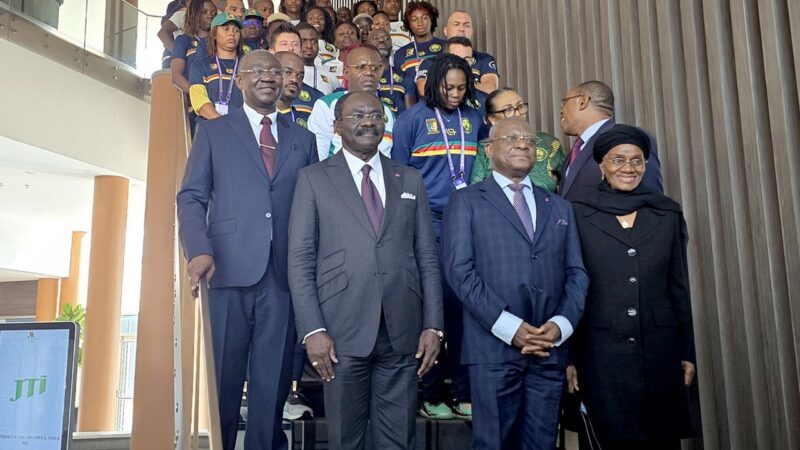
The inauguration ceremony drew over 6,000 attendees, including high-ranking state officials, constitutional body members, diplomats, and former presidents Nicéphore Soglo and Thomas Boni Yayi. Notably, Niger’s Prime Minister Ali Mahaman Lamine Zeine was also present, signaling efforts to mend strained bilateral relations.
a constitutional shift and bold commitments
The amended 2025 Constitution extends the presidential term from five to seven years while maintaining a two-term limit. Wadagni, now Benin’s fifth president since democratic reforms began in 1990, took the oath of office before Chief Justice Dorothe Sossa. In his address, he vowed to uphold the Constitution, preserve peace, and strengthen national unity, declaring, « Benin will not yield to fear or complacency. The government will act decisively against all threats to security and cohesion. »
regional alliances and security priorities
With Benin facing economic growth but persistent social disparities and northern security challenges, Wadagni’s administration must balance domestic stability with diplomacy. His government aims to improve relations with neighboring military-led states, including Niger and Burkina Faso, where governance shifts have raised regional concerns.
Before entering politics, Wadagni spent over a decade at Deloitte, a global audit firm. Appointed Economy and Finance Minister by former president Patrice Talon in 2016—and later promoted to principal minister—he became a key architect of Benin’s economic reforms. Under his leadership, fiscal policies slashed the budget deficit to approximately 3% of GDP, reinforcing his reputation as a pragmatic policymaker.