Benin’s logistics corridor push triggers regional debate and hard questions about what comes next
A strategic gamble that is now drawing scrutiny
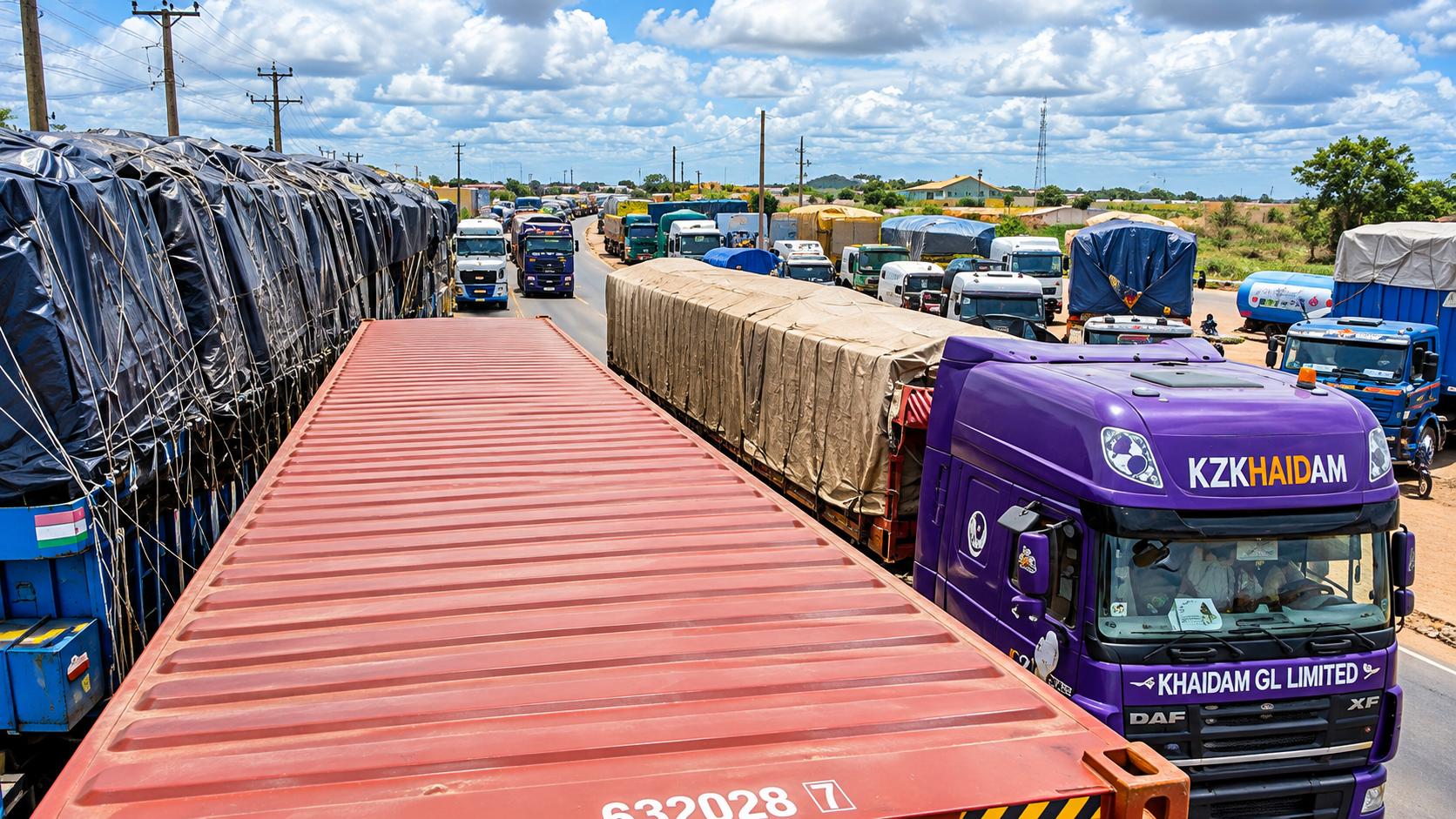
Benin’s drive to turn its narrow coastline into West Africa’s premier freight gateway is no longer just an infrastructure story. It has become a live regional debate. With the Port of Cotonou as its anchor and roughly €30 million in backing from the European Union and Belgian development agency Enabel, the country is betting that modern roads and faster border crossings can lock in its role as the indispensable trade route for landlocked Niger. The reaction has been swift — and not uniformly positive.
Geography handed Benin a rare advantage. Its shoreline is Niger’s most direct maritime outlet, a lifeline for a country whose supply security hinges on neighbours’ ports. Benin also sits beside Nigeria, whose sprawling economy constantly strains local logistics capacity. Sensing the opening, Cotonou has moved aggressively to upgrade its infrastructure and cement its status as a sub-regional trade hub.
Two programmes, one €30 million wager
The EU and Enabel are rolling out a twin logistics package known as Cotoni and Proport, with combined funding of about €30 million. The programmes are designed to attack the corridor’s weakest links: ageing roads, slow customs, and security risks that drive up costs for traders.
Cotoni: fixing the 729 km artery to Niamey
Launched last May for a four-year run, the Cotoni project — the Cotonou-Niamey corridor support programme — is the centrepiece. Its mission is to modernise, secure and smooth the 729 km road linking the Port of Cotonou to Niger’s capital, the economic engine of the hinterland. The project rests on four operational pillars:
- Stronger governance: Ensuring financial investments last and funding regular road maintenance.
- Corridor security: Protecting hauliers on their journeys while removing unnecessary bottlenecks.
- Trade facilitation: Interconnecting logistics networks to better integrate local value chains, especially in agriculture.
- Customs performance: Improving coordination at borders through upgrades to the joint border post.
Going beyond Niger’s border
The strategic road network does not stop at the Nigerien frontier; it also reaches crossing points into Nigeria. The long-term aim is to give transport operators a cross-border corridor that is reliable, fast and safe. This fits into wider regional shifts: Cotoni complements efforts to renew Benin’s truck fleet and aligns with the future Abidjan-Lagos highway, whose partial opening is projected for 2030. Customs restructuring is also meant to end the dysfunction and delays of recent years, restoring the fluidity that inter-state trade requires.
Cotonou set to host the logistics spotlight
The sector’s future will be on display in Cotonou from 12 to 14 November at the next Transport Logistique Cotonou (TLC) trade fair. Held at the Palais des Congrès in partnership with the Port of Cotonou and ACAM, the event expects more than 2,000 economic players from across the sub-region. Over three days, decision-makers will debate the challenges of African freight. Open-door days will also let visitors see behind the scenes of the port, from the embarkation quays to the maritime access points. It is an ideal showcase for a country determined to become West Africa’s logistics engine — even as the debate over whether it can deliver rages on.