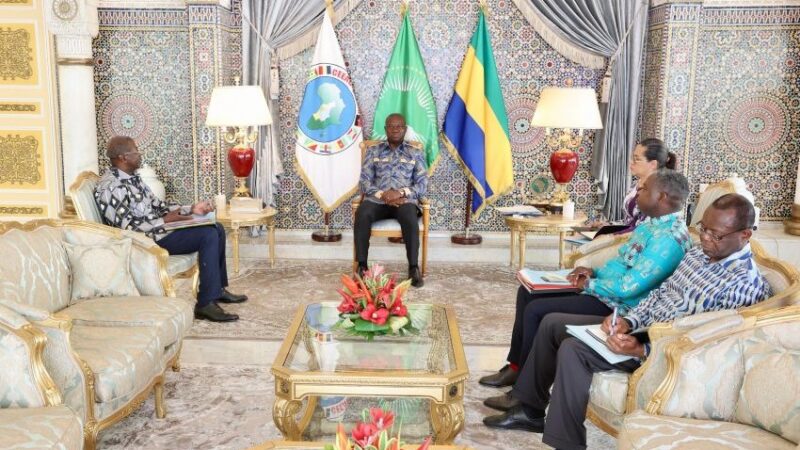
Bénin’s first senate begins its mandate
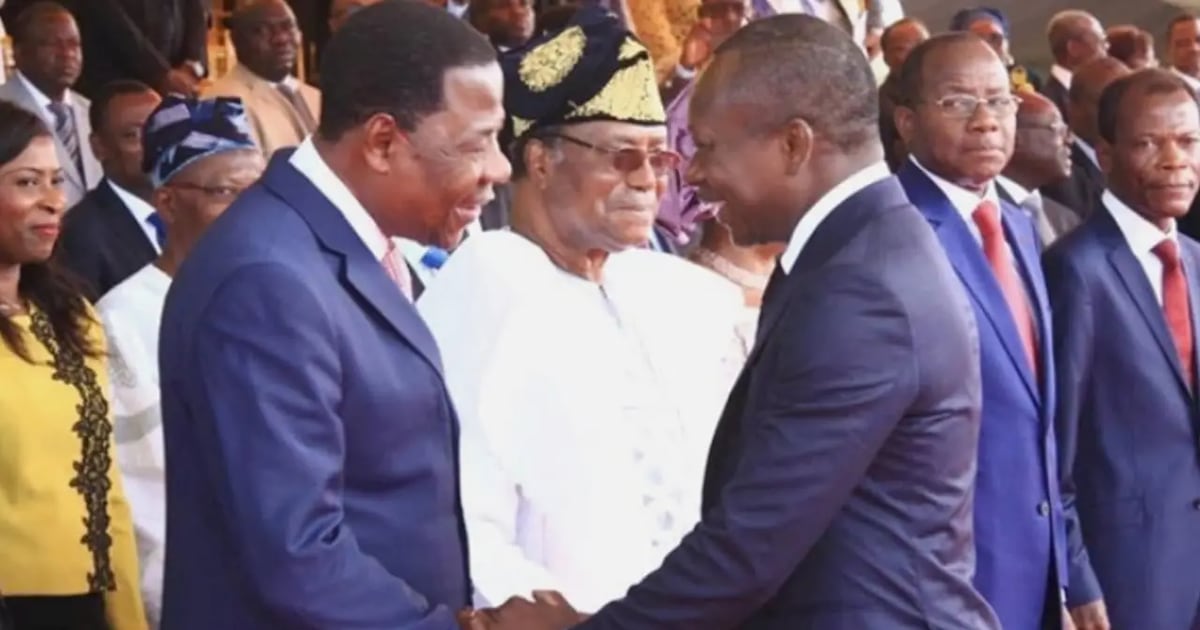
Bénin’s newly established Senate has officially commenced its operations, marking a significant development in the nation’s political landscape. This institution is composed of 25 parliamentarians who are not elected through popular vote but are instead designated either by the Head of State or hold their positions as members by right, a category that includes former presidents.
The creation of this pivotal body was a direct outcome of a constitutional revision adopted in November 2025. Its primary objective, as outlined during its inception, is to “regulate political life,” aiming to foster greater stability and structure within Bénin’s governance framework.
A historic inauguration ceremony
The inaugural ceremony was presided over by the venerable Élisabeth Pognon, 89 years old, the eldest member of the Senate and a trailblazer in Bénin’s legal history as the first woman to preside over the Constitutional Court. Her presence underscored the gravitas of the occasion.
Addressing her fellow parliamentarians, Ms. Pognon articulated the profound responsibility they shared: «You and I have the formidable honor of being the first within this new institution.» She passionately urged the senators to dedicate themselves to transforming the Senate into «an instrument of confidence, of stability, and of consolidation of the State,» emphasizing its crucial role in shaping the future of Bénin.
Voices from Bénin’s political sphere
Among the distinguished members taking their seats was former President Patrice Talon, who served from 2016 to 2026. He expressed immense pride in contributing to this generation of leaders, stating, «I am proud to make part of this generation of leaders who give the best of themselves for our common development… Everywhere one can serve, one cannot fail to do so.» His sentiment highlighted a commitment to national progress and service.
Other prominent figures joining the Senate include Thomas Boni Yayi, who held the presidency from 2006 to 2016. Also present is Paul Hounkpè, who notably stood as the sole opposition candidate in the most recent presidential election.
Mr. Hounkpè shared his vision for the institution, affirming, «What is paramount is national unity (…), that there be peace and a harmonious development of our country.» His remarks resonated with a call for collective effort towards a prosperous and unified Bénin.
Constitutional reforms and recent elections
Beyond the establishment of the Senate, the constitutional revision of 2025 also enacted another significant change: it extended the presidential term from five to seven years. This reform reshapes the duration of executive leadership in Bénin’s African politics.
The latest election for the Head of State, held in April, saw Romuald Wadagni emerge victorious. Formerly the Minister of Economy and widely regarded as the political successor to Patrice Talon, Mr. Wadagni’s election sets the stage for a new chapter in Bénin’s governance.