Spain and Morocco agree on swift deportation of irregular migrants at Ceuta and Melilla
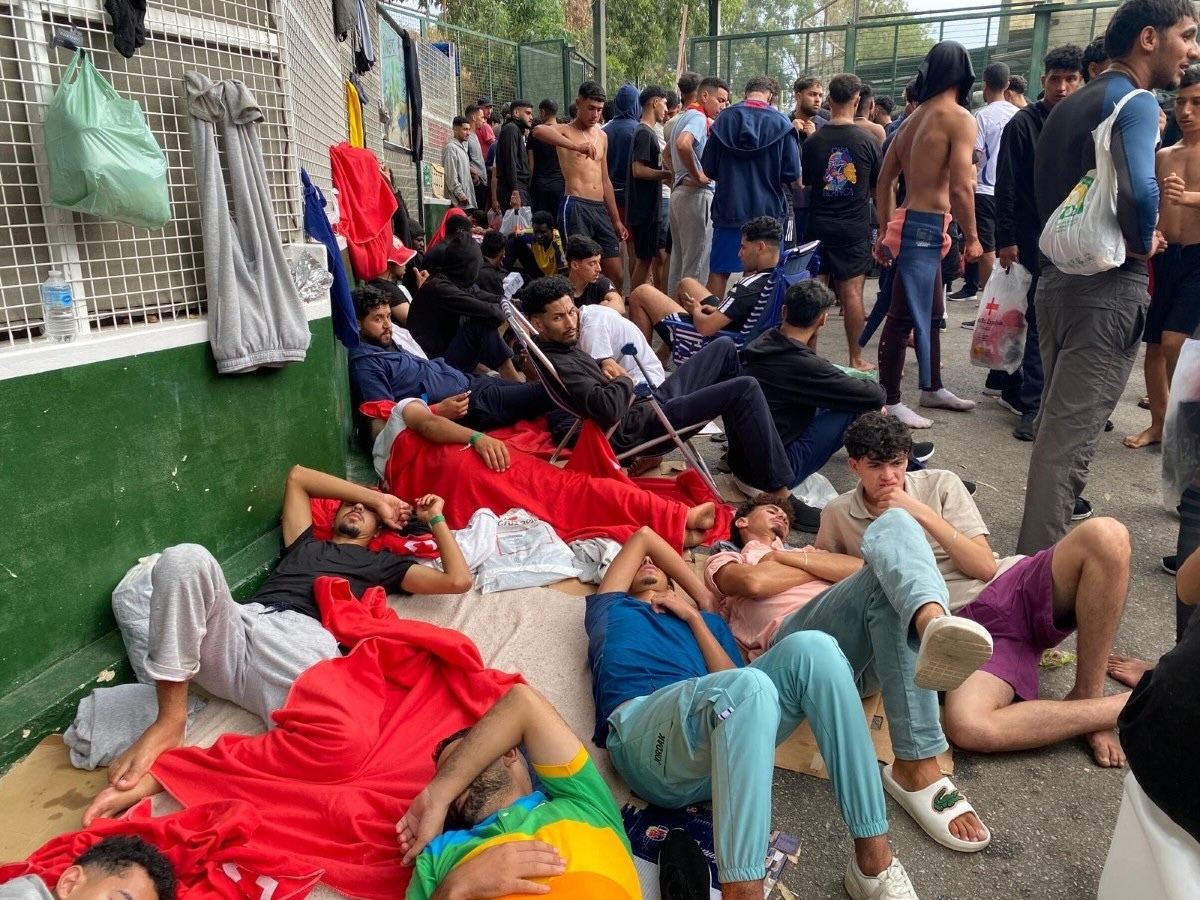
Spain and Morocco agree on swift deportation of irregular migrants at Ceuta and Melilla
The recent surge in irregular migration into Ceuta has triggered an immediate diplomatic and security response between Spain and Morocco. Both nations have agreed to expedite the deportation of all migrants who entered illegally, leveraging existing bilateral mechanisms. This coordinated approach will also apply to Melilla, where similar challenges persist.
With unauthorized entries—whether by sea or land—rising sharply, authorities in both countries have intensified joint efforts to curb migration flows and secure border regions.
Spanish and Moroccan officials attribute this migration surge to human trafficking networks, which have reportedly exploited a recent Supreme Court ruling restricting immediate deportations of migrants reaching Ceuta and Melilla by swimming.
In response, the European Union, through Frontex, has pledged support to Spain at Ceuta while urging Morocco to take decisive action. The EU emphasized its commitment to bolstering assistance amid mounting pressure, aiming to “regain control” of the situation in the enclave. Continuous coordination with Moroccan authorities is underway to implement urgent measures that deter dangerous crossings and prevent further illegal entries.
Strengthening bilateral cooperation
The unprecedented influx of migrants into Ceuta—primarily through the Tarajal border crossing—has prompted Spain and Morocco to reinforce bilateral cooperation and accelerate the deportation of those who entered illegally, in line with their established collaboration framework.
Spain’s Interior Minister, Fernando Grande-Marlaska, is scheduled to visit Ceuta to oversee on-the-ground crisis management. He remains in constant contact with his Moroccan counterpart, Abdelouafi Laftit, to enhance joint efforts in addressing this unfolding emergency.
Insiders within Morocco’s Interior Ministry have expressed concern that this migration surge could undermine trust in the strategic partnership between Morocco, Spain, and the European Union.
The Spanish government has firmly denied claims linking the surge to Prime Minister Pedro Sánchez’s July 20 visit to Algeria. The Foreign Ministry stressed that “cooperation with Morocco on migration remains robust within the framework of the strategic partnership between the two countries.”
Prime Minister Pedro Sánchez has reiterated that the government is working tirelessly to restore normalcy in Ceuta amid the irregular migration crisis. He highlighted that all available resources are being mobilized, with close coordination between Moroccan authorities and international partners to address the situation effectively.
In a post on X, Sánchez confirmed that the executive branch is preparing “necessary measures” to restore stability “as soon as possible.” He underscored that the close cooperation with Morocco is pivotal in managing the current migration pressures at Ceuta.
Both the Spanish Interior Ministry and Moroccan authorities have identified human trafficking networks as the primary drivers behind the crisis. These groups allegedly took advantage of a recent Supreme Court ruling that temporarily halted immediate deportations of migrants arriving in Ceuta and Melilla by swimming—an exploitable loophole that has emboldened irregular migration attempts.
Ceuta’s escalating emergency
Following the massive 2021 migration crisis, Ceuta is once again facing unprecedented pressure, with hundreds of migrants arriving daily—some never making it ashore. Eleven bodies of young migrants were recovered from the sea in recent days, adding to the tragedy.
While official figures remain pending, irregular crossings into Ceuta—whether by swimming or via the Tarajal border—continue unabated, overwhelming emergency and security services. Overnight, multiple attempts to swim into Ceuta persisted, pushing the Civil Guard to its operational limits. Amid the chaos, another body was recovered, according to local reports.
The crisis gripping Ceuta is the most severe since 2021.
Local authorities have called for a state of emergency, including the deployment of police reinforcements and military support to regain control of the city. Security forces stationed along the breakwater separating Ceuta from Morocco are stretched to their limits, and reception centers are at full capacity.
The migration waves exacerbate an already dire situation, with large groups of migrants attempting to breach the border fence despite Moroccan police efforts to block access routes. Misinformation on social media fuels the desperation, with many believing they are heading toward a “better life” in Spain. Those who make it into Ceuta often set up makeshift camps while awaiting processing in overburdened reception facilities.
Ceuta’s migration crisis: pressing questions for Morocco
The unprecedented influx of migrants—predominantly young men—into Ceuta has sparked debates about Morocco’s ability to address the root causes of this exodus. Reports from both Moroccan and Spanish media highlight widespread youth unemployment, economic precarity, and social unrest as key push factors driving migration.
For those who succeed in reaching Ceuta, celebrations erupt, with shouts of “viva España” and hopeful declarations of a new life in Europe. Yet behind every arrival lies a story of desperation, vulnerability, and often, tragedy. The images of jubilant migrants contrast sharply with the grim reality of those who perish attempting the crossing.
This “collective flight” is not merely a series of individual decisions but a systemic crisis rooted in structural issues: youth unemployment, regional inequalities, and eroding trust in institutions. The question arises: Is this a lack of willingness to contribute to Morocco’s development, or is it a reflection of systemic failures that leave young people with no viable future at home?
Recent events during the Throne Festival celebrations—particularly the visible deployment of security forces—highlighted gaps in regional authorities’ ability to detect and prevent migrant gatherings before they reach the border. The participation of Algerians and Sub-Saharan migrants in these attempts suggests coordinated efforts with external funding, raising concerns about potential destabilization efforts targeting Morocco’s relations with Spain and the EU.
Ultimately, each migrant who reaches Ceuta represents countless others who do not. The human cost of these perilous journeys is staggering, and the celebrations of those who arrive underscore a harsh reality: Morocco cannot afford to ignore the systemic issues driving this migration crisis. The time for action is now.