Arrest of prominent imam in Burkina Faso sparks controversy
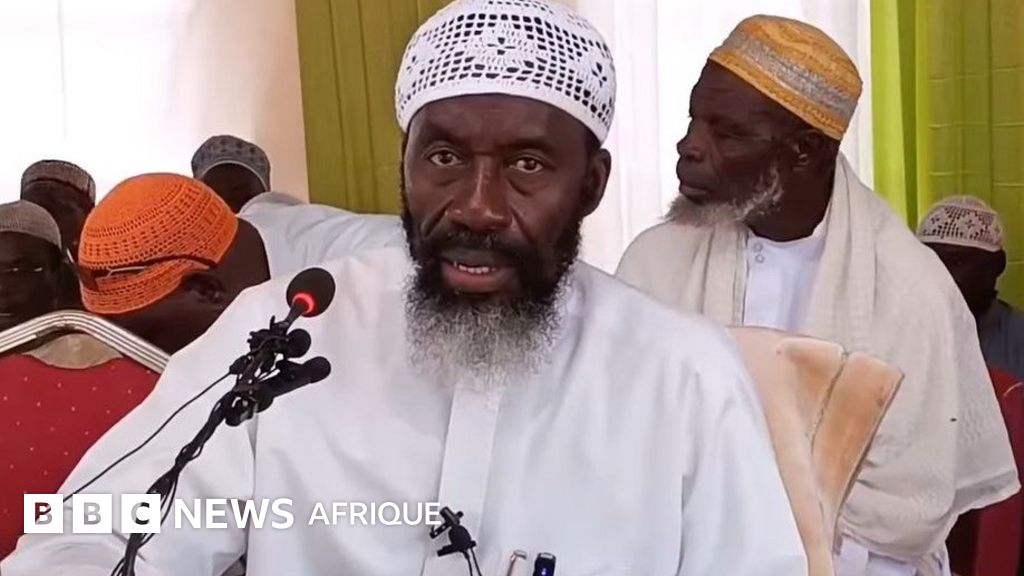
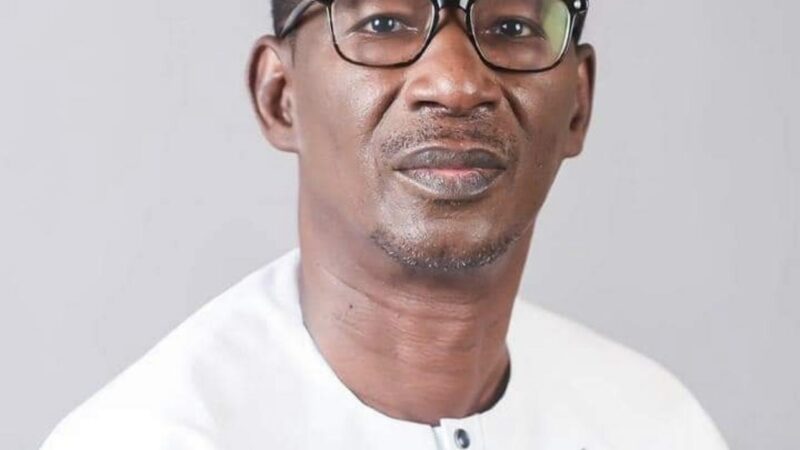
Burkina Faso: violent arrest of influential imam Mohamad Ishaq Kindo
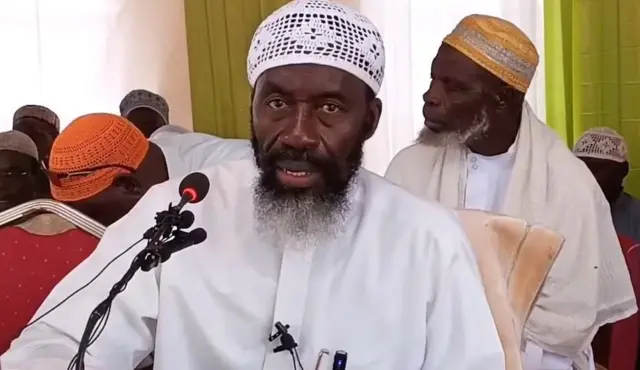
Ouagadougou — The arrest of Mohamad Ishaq Kindo, a prominent Sunni imam and religious leader, has sent shockwaves through Burkina Faso. On Tuesday, May 26, security forces—including masked police and military personnel—stormed a location in Ouagadougou around 2:00 PM local time, detaining the cleric without disclosing his whereabouts. Witnesses described the operation as aggressive, with tensions flaring as followers attempted to intervene.
Community response
Hours after the arrest, hundreds of Muslims took to the streets of Ouagadougou, demanding the imam’s immediate release. Authorities responded by dispersing the protest with tear gas, further escalating tensions in the capital. Meanwhile, the Federation of Islamic Associations of Burkina Faso (FAIB) issued a statement condemning the arrest, calling for transparency and demanding official clarification on the reasons behind the cleric’s detention.
The FAIB confirmed it had initiated legal proceedings to secure information about Kindo’s status and ensure his rights were upheld. Yet, as of now, no official explanation has been provided regarding his arrest or current situation.
Controversial remarks spark backlash
Kindo’s detention follows the viral spread of a video recording in which he sharply criticized a new religious freedoms law adopted by Burkina Faso’s government on March 19. In the footage, the imam warned authorities against overstepping their powers, declaring, “Beware of those who seek to ban public prayers. Whether you are a leader or a strongman, you neither possess the strength nor the authority of God.”
His remarks came amid growing unease over the law, which seeks to regulate religious practices in Burkina Faso. Authorities argue the legislation aims to curb online hate speech, extremism, and religious radicalization. However, critics—including Kindo—contend it infringes on fundamental freedoms and targets dissenting voices.
Government silence and rising tensions
The timing of Kindo’s arrest, just days before Eid al-Adha (Tabaski), has heightened concerns. Despite widespread unrest, Burkina Faso’s transitional government, led by Captain Ibrahim Traoré, has remained silent on the issue. In a post-Tabaski address, Traoré praised security forces for their fight against jihadist groups but issued stern warnings against any actions perceived as undermining national stability.
New religious law fuels debate
The controversial legislation, passed in March, prohibits the construction of religious buildings in public institutions, with limited exceptions for healthcare facilities, prisons, and military barracks. While authorities insist the law does not ban public prayer—only regulating conduct—many religious leaders, including Kindo, view it as an overreach.
Mariem Sanogo, Director General of Religious and Traditional Affairs, defended the law as a necessary measure against radicalization and online incitement. “The text was updated to address rising extremism and hate speech,” she stated, emphasizing its role in preserving national cohesion.
Burkina Faso has been under military rule for nearly four years, with Traoré’s administration justifying its restrictive policies as essential to combating jihadist insurgencies that have plagued the country for over a decade.As the imam’s fate remains uncertain, the arrest has deepened divisions between religious communities and the state, leaving many to question the boundaries of freedom of worship in Burkina Faso.
Violent arrest sparks outrage
A close associate of Kindo, present during the operation, recounted the scene: “The security forces arrived abruptly, encircling the imam before detaining him. His followers resisted, leading to clashes and injuries among the worshippers.”
The incident has drawn condemnation from human rights groups and religious organizations, who argue the arrest was politically motivated. Kindo, as president of Burkina Faso’s Sunni Ulema Council, had emerged as a vocal critic of the government’s religious policies.
Protests erupt after imam’s detention
In the hours following Kindo’s arrest, demonstrations erupted in Ouagadougou, with protesters chanting slogans demanding his release. Security forces responded with force, deploying tear gas to disperse the crowd. The FAIB urged calm, calling on Muslims to remain peaceful amid rising frustrations.
Despite the unrest, Burkina Faso’s transitional authorities have yet to address the public’s concerns regarding Kindo’s detention or the implications of the religious freedoms law.
No official statement on imam’s arrest
As the country celebrated Eid al-Adha, the government remained silent on Kindo’s situation. Captain Ibrahim Traoré, who marked the holiday with security forces, reiterated warnings to those deemed enemies of the state, threatening legal consequences for any actions disrupting national stability.
Key takeaways:- The arrest of Mohamad Ishaq Kindo, a leading Sunni imam, has triggered widespread protests in Burkina Faso.
- Kindo was detained shortly after criticizing a new religious freedoms law adopted in March.
- The law prohibits religious buildings in public institutions, sparking debate over its impact on freedom of worship.
- No official explanation has been provided for Kindo’s arrest, raising concerns about due process.
- Burkina Faso’s military-led government faces growing criticism over its handling of religious and political freedoms.