60.6 billion FCFA boost for Niger: BOAD’s high-stakes gamble on development
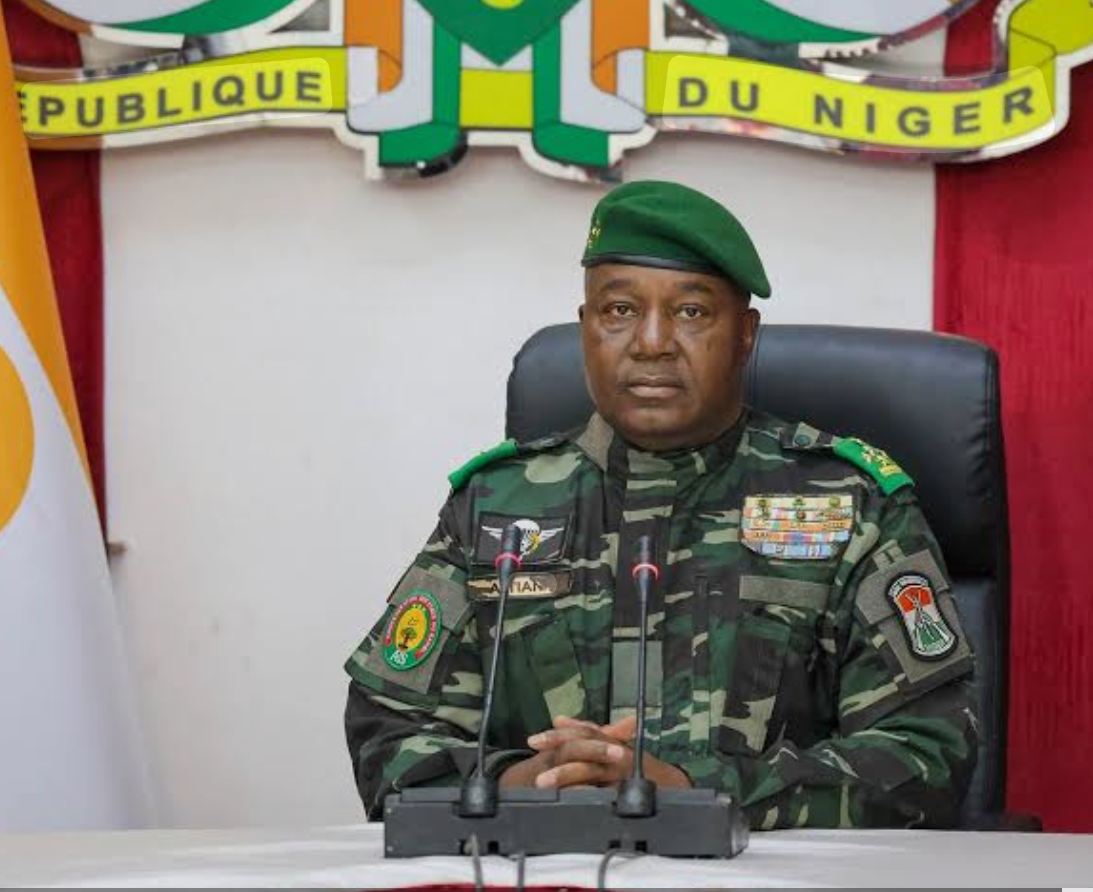
The West African Development Bank (BOAD) has made a bold move by approving two loans totaling 60.6 billion FCFA (approximately $105 million) for Niger. While the funding targets critical infrastructure projects to uplift local communities, it arrives at a time when the country grapples with deep-rooted challenges that could undermine its impact.
Niamey hosts landmark financial agreements
The financial pacts were formally signed in the heart of Niamey, bringing together Niger’s Prime Minister, Ali Mahaman Lamine Zeine, and BOAD President Serge Ekue. The agreements earmark 60.6 billion FCFA for two transformative initiatives: 30 billion FCFA for the National Office of Hydro-Agricultural Development to modernize irrigation systems along the Niger River and expand arable land, and 30.6 billion FCFA for the Niger Electricity Company to add 23 megawatts of power generation capacity. Both projects aim to bolster food security and stabilize the national grid, respectively.
Structural gaps addressed head-on
Niger’s agricultural sector remains highly susceptible to climate shocks, with recurring droughts crippling harvests. The irrigation funding seeks to upgrade outdated equipment and extend cultivable areas, reducing reliance on expensive food imports. Meanwhile, the energy sector faces chronic shortages, with frequent blackouts stifling homes and businesses. The new power capacity is expected to alleviate pressure on the national grid, support fledgling industries, and improve living conditions in urban and peri-urban areas.
Security threats cast a shadow over progress
Yet, the real-world viability of these projects is clouded by persistent security threats. Armed groups continue to destabilize key regions, particularly along the borders with Mali and Burkina Faso, and the Lake Chad basin. Logistical hurdles, including the need to protect construction sites and personnel in high-risk zones, could inflate costs and delay timelines. There’s also the added risk of funds being diverted to security operations rather than infrastructure development.
Governance concerns threaten transparency
The opacity of public procurement processes remains a major red flag. Large-scale contracts for irrigation equipment and energy projects have historically been shrouded in secrecy, with little oversight to ensure fair competition or accountability. Financial tracking mechanisms are weak, raising fears that portions of the funds could be siphoned off through corruption or used for political patronage instead of their intended purposes.
Civil society silenced as risks mount
The absence of independent oversight compounds these challenges. Journalists, activists, and watchdog organizations face increasing restrictions, making it difficult to scrutinize project execution or expose mismanagement. Opposition voices and anti-corruption NGOs have limited space to demand transparency or audit spending, leaving decision-makers unchecked as they manage these funds behind closed doors.
A test of accountability for BOAD and Niger’s leadership
BOAD’s decision to proceed with these loans underscores its commitment to Niger’s socio-economic progress, but success hinges on more than just technical execution. It requires ironclad transparency, robust anti-corruption measures, and the restoration of civic freedoms. Without these safeguards, the risk remains that the funds will fail to deliver meaningful benefits to the people and instead feed into the very dysfunctions they were meant to address.