The human rights landscape in the eastern Democratic Republic of Congo (DRC) has reached an “exceptionally grave” state, as reported by the United Nations Independent Commission of Inquiry this Monday, June 29. The commission highlighted alarming claims of severe violence targeting civilians.
Presenting its initial update to the Human Rights Council in Geneva, the UN Independent Commission of Inquiry dedicated to the human rights situation in DRC’s South Kivu and North Kivu provinces painted a troubling picture. The commission underscored a relentless deterioration of security, characterized by extensive population displacements, the weakening of public institutions, and an intricate regional conflict. This highlights a critical challenge for governance Africa and society Africa.
« The information brought to our attention indicates a situation of exceptional gravity, » stated Arnauld Akodjenou, who chairs the Commission.
Severe violence and widespread human rights violations
The Commission has documented numerous testimonies detailing egregious abuses against civilians. These include conflict-related sexual violence, with documented instances of sexual slavery. Investigators also reported unlawful killings, arbitrary detentions, and forced recruitment, notably involving children.
Essential infrastructure, such as schools and healthcare facilities, has also been targeted in documented violations.
« We have received deeply troubling testimonies concerning children and conflict-related sexual violence, » Arnauld Akodjenou emphasized.
Exposed and unprotected civilian population
The Commission highlighted the extreme vulnerability of residents in affected areas, who frequently lack protection against ongoing violence. Displaced persons, women, children, and already fragile communities face the highest risks.
The deepening humanitarian crisis is further compounded by impediments to humanitarian aid access. Additionally, reports of ill-treatment have emerged from detention facilities that fail to uphold fundamental legal safeguards.
« No individual or entity should face retaliation for cooperating with United Nations mechanisms, » Commissioner Clément Voule reminded.
Investigation remains in preliminary stages
Established by the Human Rights Council, the Commission’s mandate is to investigate alleged violations of international humanitarian law and human rights across Eastern DRC. At present, its investigative work remains in a preliminary phase.
« The Commission makes no prejudgments regarding facts or responsibilities, » clarified Commissioner Maxine Marcus, stressing the imperative of a victim and survivor-centered approach.
Since commencing its operations, the Commission has conducted over 50 online consultations and more than 30 in-person meetings with a wide array of stakeholders. During a mission to Kinshasa in early June, members met with victims, civil society organizations, government representatives, and international partners. Notably, 35 civil society organizations participated in group discussions, contributing to a broader understanding of society Africa’s challenges.
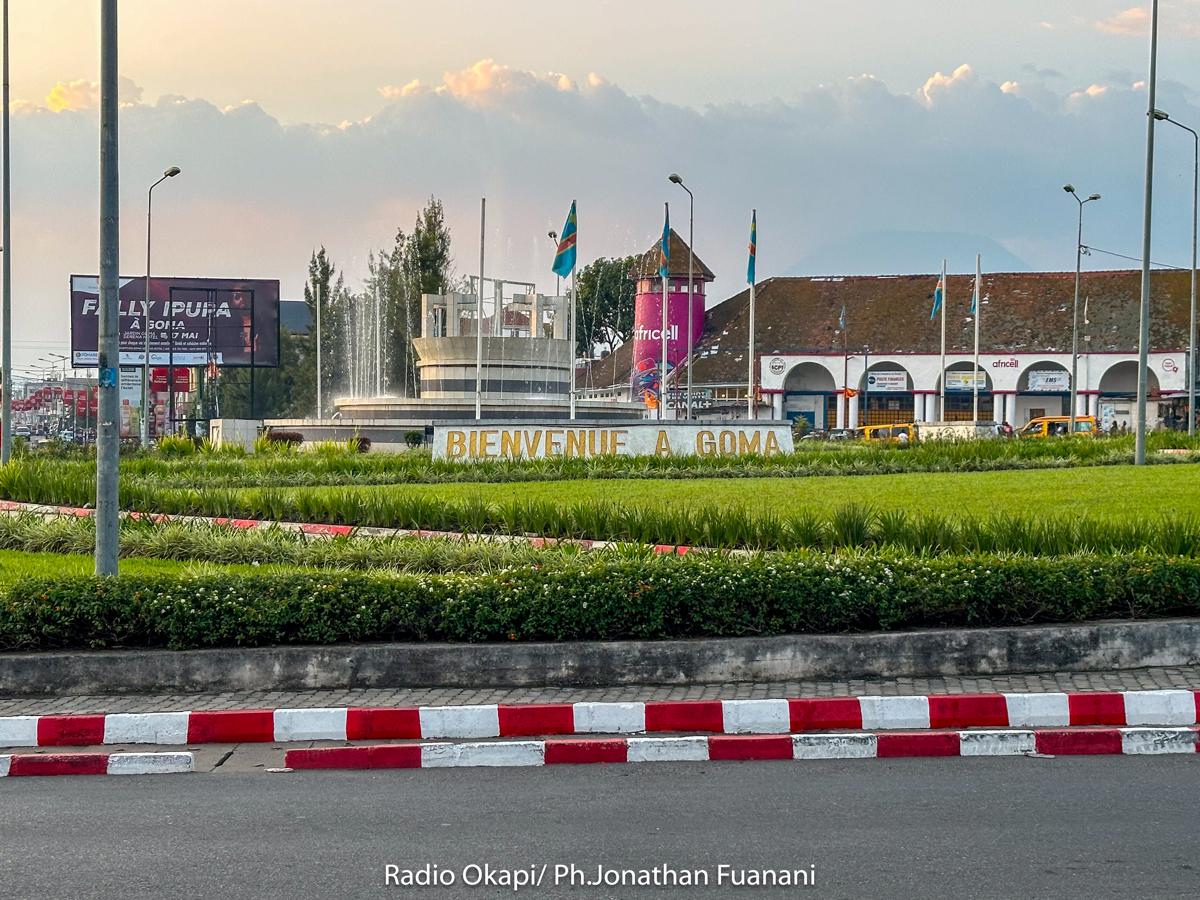
However, prevailing security conditions have so far prevented investigators from accessing Goma and other affected areas in the east. Visits are planned as soon as circumstances permit safe access.
A multifaceted and deepening crisis
Beyond the immediate violence, the Commission outlined a crisis of multiple dimensions, impacting security, health, governance, education, and the economy. This dire situation is further exacerbated by ongoing hostilities, massive population displacements, and significant health risks, including the persistent threat of the Ebola epidemic. This complex scenario underscores the urgent need for improved governance Africa.
In light of this challenging environment, the UN body implores all parties involved in the conflict to ensure safe, swift, and unhindered humanitarian access, particularly for the most vulnerable groups.
Urgent call for decisive action
The Commission strongly advocates for placing victims at the core of all efforts to combat impunity. It urges both national authorities and the international community to take immediate and decisive action.
It specifically recommends:
- Preserve vital humanitarian corridors.
- Protect human rights defenders and local observers.
- Support independent and credible investigations.
« The suffering brought to our attention demands more than mere concern. It necessitates rigorous investigation and a determined international commitment, » Arnauld Akodjenou concluded.
The Commission reiterates its unwavering commitment to conducting independent and impartial investigations aimed at establishing the facts and contributing to justice, especially given the exceptionally high expectations of victims.