Tshisekedi’s Libreville visit revives Gabon-DRC strategic bond
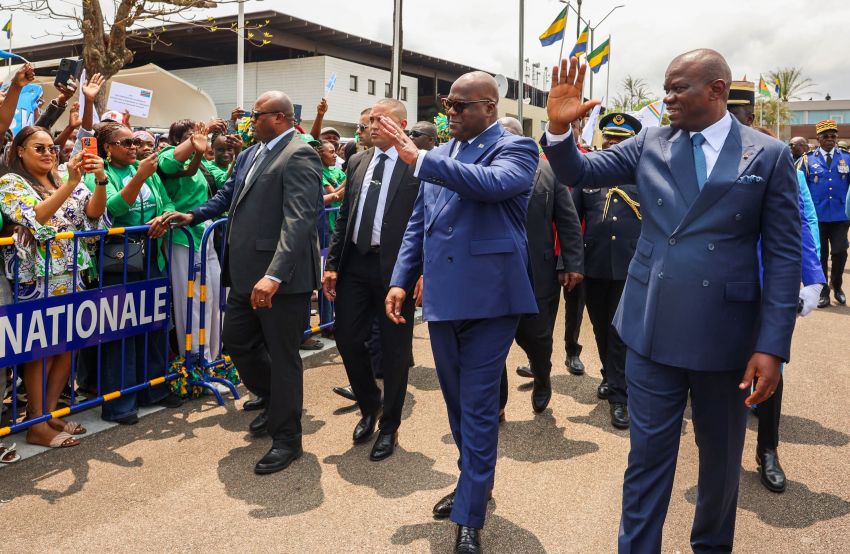
Libreville, Saturday 15 August 2026 — The arrival of Félix-Antoine Tshisekedi Tshilombo in Libreville marks more than a diplomatic courtesy call; it signals a renewed chapter in Central African relations.
The Democratic Republic of Congo’s president began a three-day working and goodwill visit on 15 August 2026, greeted at the airport by his Gabonese counterpart, Brice Clotaire Oligui Nguema. The warm reception extending beyond official halls—including a public greeting in the streets of Libreville—underscored the depth of ties between the two nations.
Gabon and the DRC share deep historical, cultural, and diplomatic bonds that now form the foundation for stronger regional cooperation. With Africa’s global positioning shifting rapidly, the timing of this visit highlights how intra-African partnerships are becoming vital tools for advancing collective interests on the world stage.
The power of memory in diplomacy
The visit’s symbolic opening at the restored Léon Mba Memorial was carefully chosen. Renovated just one day before Tshisekedi’s arrival, the site honors Gabon’s first president and first post-independence leader—a gesture rich with meaning for both countries.
After laying a wreath in tribute to Léon Mba, Tshisekedi reviewed a biographical presentation and stood in silent remembrance as the national anthem played. He then signed the memorial’s guestbook, cementing a moment that transcended protocol.
By honoring Mba, the Congolese leader invoked a shared legacy of liberation and nation-building. In an era where African institutions often struggle to preserve historical continuity, such symbolic acts serve as powerful reminders of the continent’s journey—and the imperative to build the future while respecting the past.
From friendship to strategic partnership
While symbolism matters, the true value of Tshisekedi’s visit will be measured by tangible outcomes. The warmth between Libreville and Kinshasa must now translate into concrete collaboration across trade, education, security, and governance.
Gabon brings strong economic assets to the table, while the DRC’s vast population and resources position it as a regional powerhouse. Together, they can drive deeper integration in Central Africa, fostering new synergies that directly benefit their citizens.
This moment is especially significant as both nations reassess their roles in a changing geopolitical landscape. Gabon is recalibrating its diplomatic and economic positioning, while the DRC continues to navigate complex security and development challenges. A strengthened Gabon-DRC axis could redefine regional dynamics and amplify their collective voice.
The moment for action
Tshisekedi’s deliberate beginning at the Léon Mba Memorial set a tone of shared history and mutual respect. Now, the responsibility lies with both governments to turn symbolic unity into measurable progress—through expanded trade, people-to-people exchanges, joint projects, and institutional cooperation.
A privileged relationship between Gabon and the DRC will only fulfill its promise if it delivers real benefits: more commerce, greater mobility, stronger institutions, and shared development. Africa’s future depends not just on celebrating its historical connections, but on converting them into engines of collective strength, prosperity, and sovereignty.